Veg Nitrate Lowers Dementia Risk, Water Nitrate Raises — SkimNews

Get the Health newsletter
Daily health & science — research, biotech, public health, the studies worth knowing. Free.
- The Danish Diet, Cancer and Health Study followed more than 54,000 Danish adults for up to 27 years, tracking nitrate and nitrite intake from various sources and incident dementia cases.
- Catherine Bondonno of Edith Cowan University noted that higher nitrate intake from vegetables—roughly the amount in a 'cup of baby spinach' daily—was linked to a lower risk of dementia.
- Nitrate from animal products and processed meats was associated with an increased risk of dementia in the same cohort.
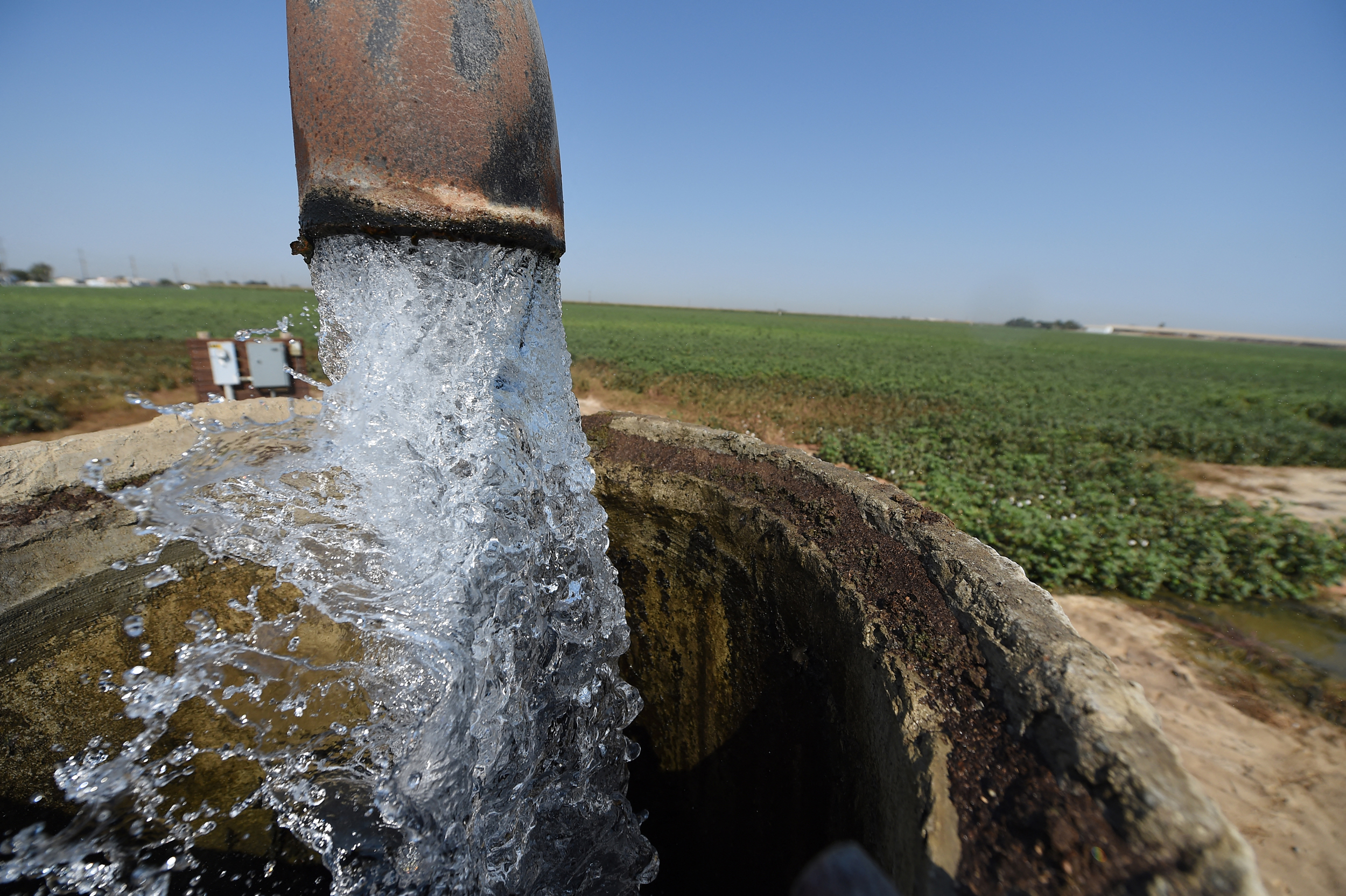
- Nitrate in drinking water at concentrations as low as 5 mg/L—well below the EU limit of 50 mg/L—was also linked to higher dementia rates.
- The researchers emphasized that the study is observational, so it can identify associations but cannot prove causation, and they call for further laboratory and epidemiological work.
Why it matters: Public health officials and regulators may need to reconsider nitrate limits in drinking water, while individuals could lower dementia risk by increasing vegetable intake and reducing red/processed meat consumption. The study suggests a nuanced view of nitrate exposure, highlighting a potential brain‑health benefit of vegetable nitrate and a risk from animal and water sources.
Ask SkimNews