Filipino homeowners turn to solar as Iran war spikes power bills — SkimNews

Get the Energy newsletter
Daily energy & climate — solar, EVs, oil, the policy fights and tech bets shaping the transition. Free.
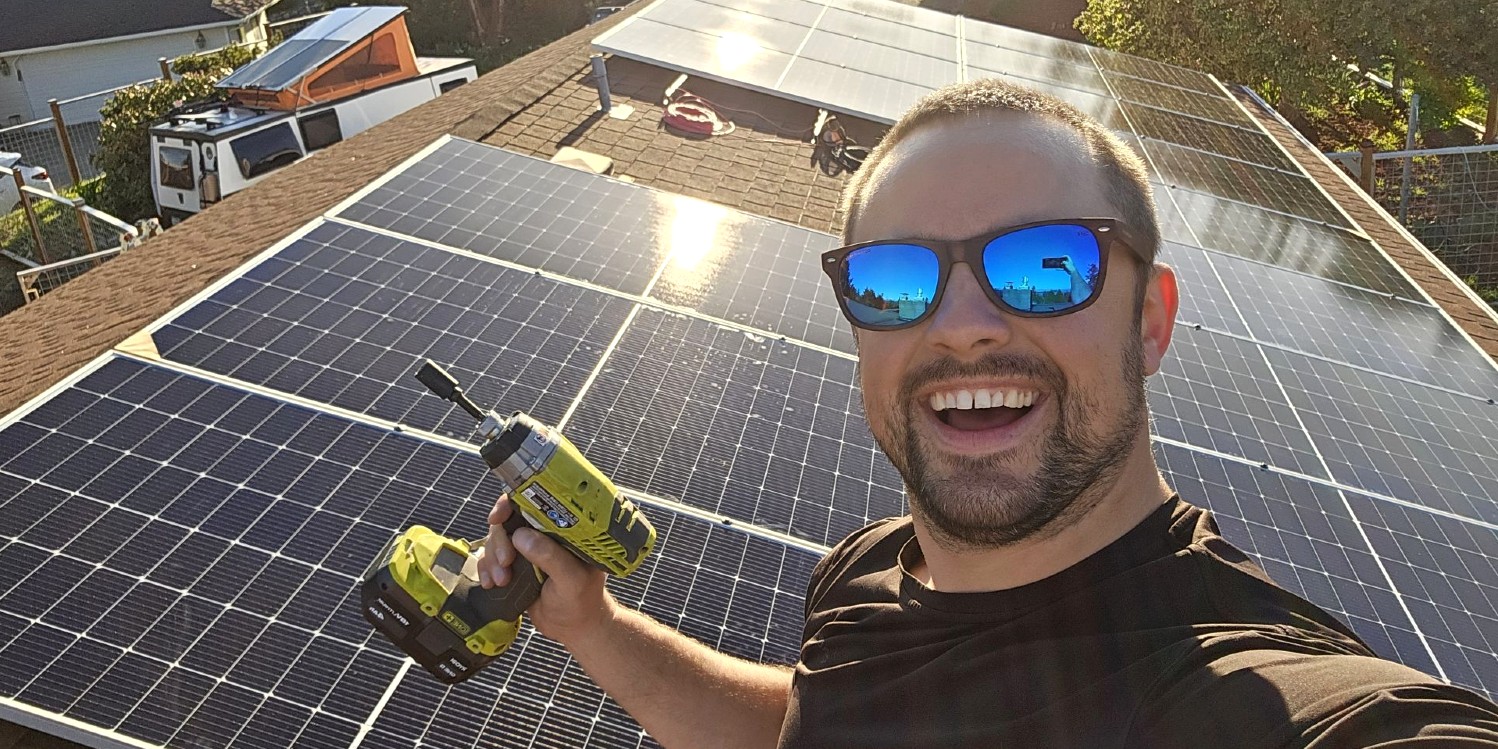
- Keith Cantera is installing rooftop solar panels after his family's monthly electric bill jumped from about $150 to as much as $220 following the US-Israel war on Iran that began in late February, with the $5,000 system expected to pay for itself in five years.
- The Philippines already had Southeast Asia's highest electricity costs before the war — comparable only to Singapore, where average income is more than 10 times higher — because the country does not subsidize electricity.
- Rooftop solar panels nearly doubled in the Philippines since early 2025, and $407 million in panel imports from March to May made it the biggest single overseas market for that period, ahead of the Netherlands, according to Chinese trade data.
- Solarmaxx CEO Lexus Grepo reports a 30-day wait because panel shipments cannot keep up with demand, with March projects nearly tripling to 40 systems and the company sustaining 25 to 30 installations per month since.
- President Ferdinand Marcos Jr declared a national energy emergency in late March citing "imminent danger" to supply, but electricity rates have continued to rise, and a March government loan program for rooftop installations is available only to public sector workers.
- The Philippines relies on imported coal and gas for more than 70 percent of its power mix, and the peso has slid to a record low of more than 63 to the US dollar, compounding the cost of energy imports.
- A planned 3,500-hectare solar farm north of Manila — projected to be the world's largest and generate 850 megawatts for 2.4 million households — is years from completion, leaving consumers to take action themselves.
Why it matters: The Philippines' solar rush exposes how 70% reliance on imported fossil fuels, unsubsidized electricity, and a peso at a record low above 63 per dollar left consumers uniquely exposed to the Iran war's price shock. Marcos's emergency declaration has not lowered bills, and the government's rooftop loan program is restricted to public sector workers, leaving most households to absorb costs or invest $5,000 upfront.
Ask SkimNews