US-Iran sanctions put Spain's saffron trade under pressure — SkimNews

Get the Geopolitics newsletter
Daily geopolitics — wars, elections, sanctions, the diplomatic moves that move markets. Free.
- Spain relies heavily on Iranian saffron — accounting for three-quarters of EU imports of Iranian saffron two years ago — and in 2025 imported $61m of saffron from Iran, more than 40 percent of its total $141m in imports from the country.
- The United States said in late August it would launch an "economic onslaught" against Iran's trade partners globally; on September 4 the US Treasury sanctioned Turkiye's Golden Global Bank for allegedly facilitating funds for Iran, and the UAE suspended trade with Tehran.
- Jose Luis Guerrero of Spanish saffron exporter CEAE, founded in 1904, called the US threat "a problem for us" given Iran is "our biggest supplier by far" before the company re-exports worldwide.
- ICEX's Maria Naranjo said any disruption would hit Spanish importers, packagers, and distributors more than domestic consumers, adding: "We still have saffron from Castilla-La Mancha. Paella is not in danger."
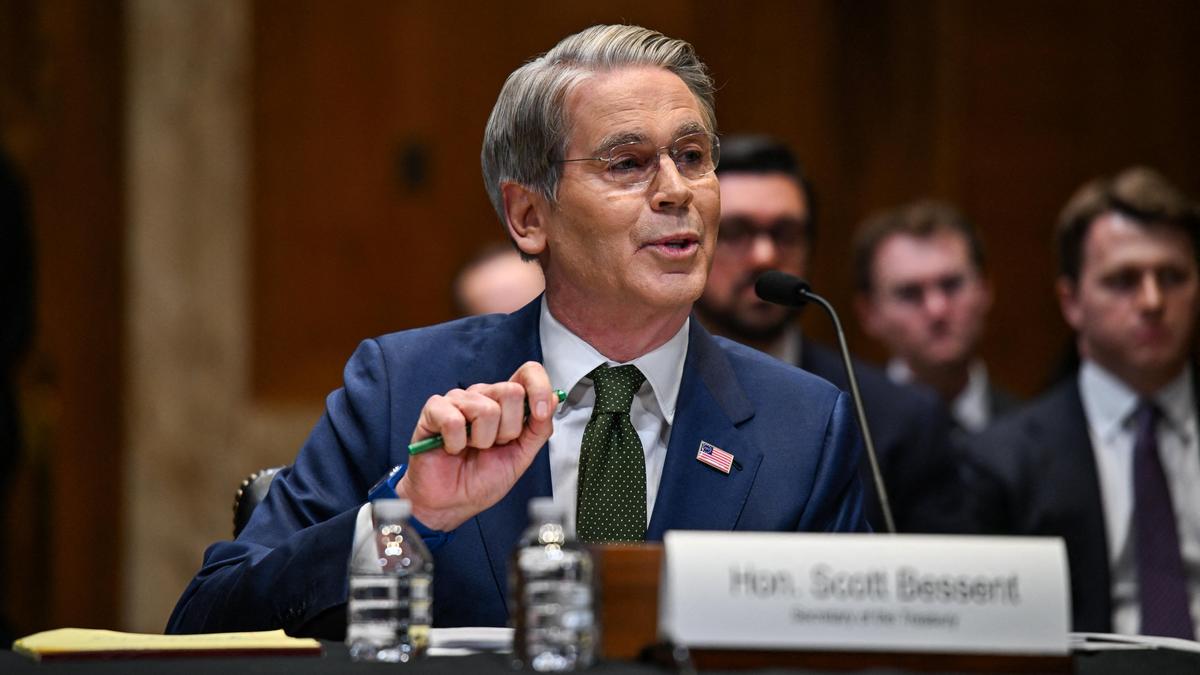
- US Treasury Secretary Scott Bessent said the strategy's success "largely depends on China," Iran's leading trading partner and main oil buyer, framing it as a choice between US partnership or Iranian "isolation."
- Valencia paella chef Vicente Roja brushed off the concerns outright: "No one can touch our paella. It is the essence of Spain. Whatever happens, we will get by."
Why it matters: Spain isn't a consumer of Iranian saffron so much as Europe's processing hub — three-quarters of EU Iranian-saffron imports come through Spanish packagers and distributors. Secondary sanctions would hit those companies' margins and international re-export business first, even as domestic paella supply stays covered by the Castilla-La Mancha crop.
Ask SkimNews