Iran fires missiles at Israel; Trump says threat gone — SkimNews
SkimNews Take
Iran's continued missile launches after U.S. strikes expose the gap between declared "mission accomplished" framing and persistent retaliatory capacity, suggesting any de-escalation timeline depends on capabilities neither side has actually neutralized.
Get the Geopolitics newsletter
Daily geopolitics — wars, elections, sanctions, the diplomatic moves that move markets. Free.
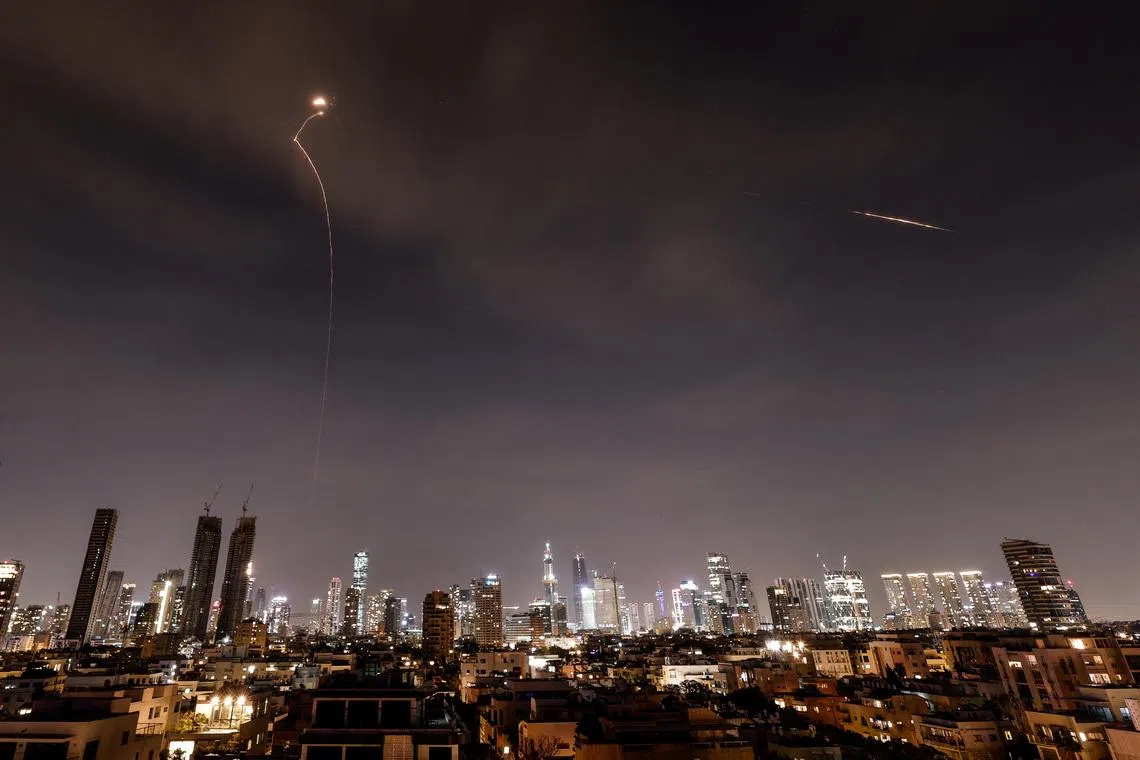
- Iran fired missiles at Israel while Kuwait and Bahrain reported being under attack, as Israel confirmed incoming fire.
- Iran's B1 bridge, a major construction project, was struck by a U.S. missile, killing eight and injuring 95 people celebrating Nowruz.
- Trump claimed Iran's threat was nearly eliminated, posted footage of the bridge collapse, and warned “Much more to follow.”
- U.S. crude oil prices rose to $111.54 a barrel, about 50% higher than on Feb. 28, after Trump's address.
- Strait of Hormuz traffic fell 94% since March 1, prompting 35 countries to demand Iran stop blocking the waterway.
- Lebanon reported over 1,300 deaths and more than 1 million people displaced amid the conflict.
Why it matters: The missile attacks and bridge strike underscore Iran’s capacity to disrupt regional security, while Trump’s premature claims and the resulting oil price jump hurt oil‑importing nations, raise costs for consumers worldwide, and intensify diplomatic pressure on Iran to reopen the Strait of Hormuz.
Ask SkimNews