Kanter Freedom's WNBA Bid Exposes League's Eligibility Legal Gaps — SkimNews
Get the Sports newsletter
Daily sports — scores, transfers, the storylines from the leagues you actually follow. Free.
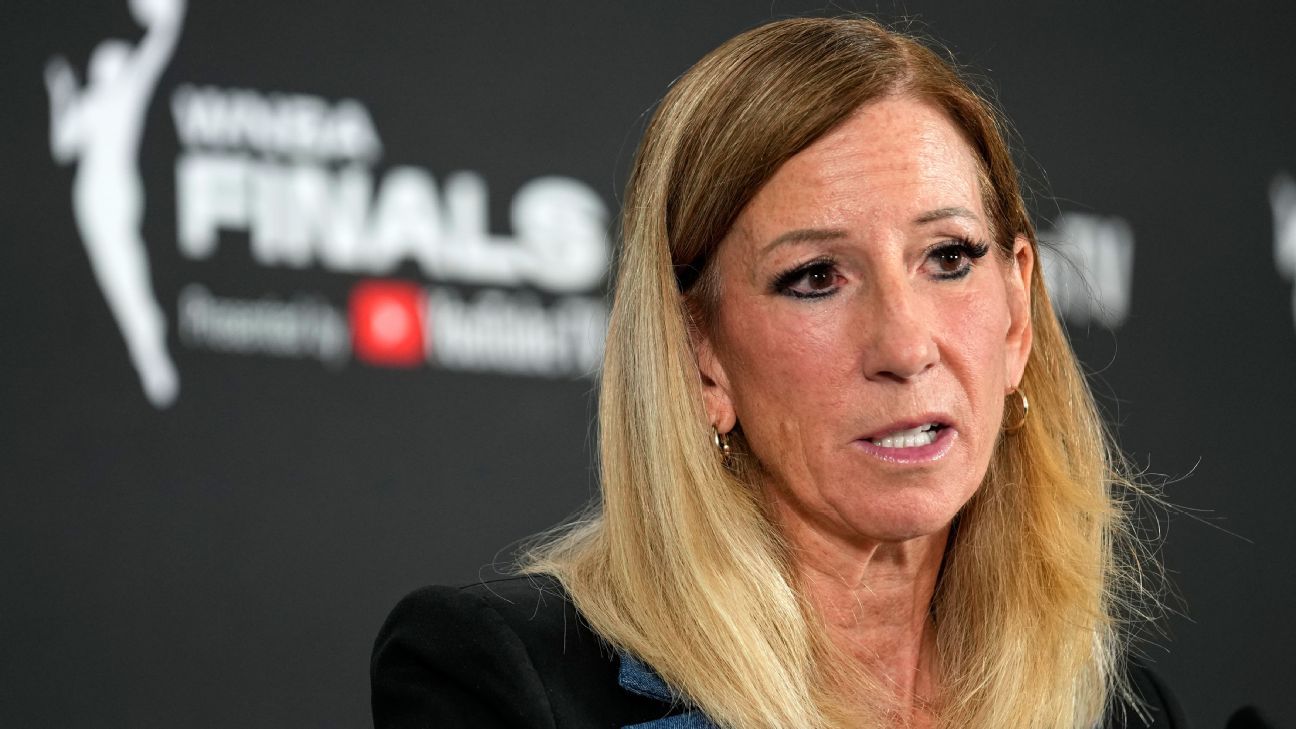
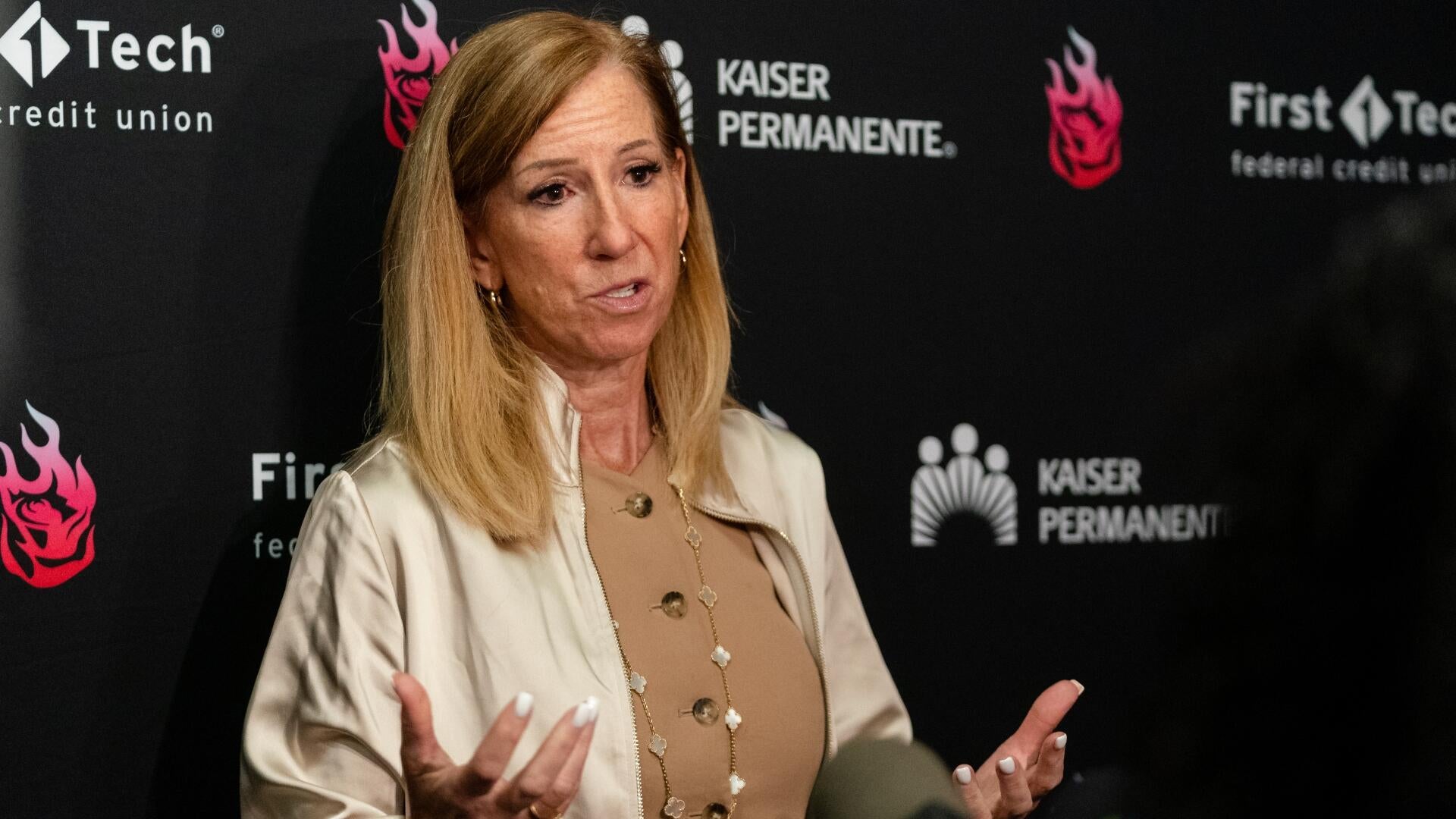
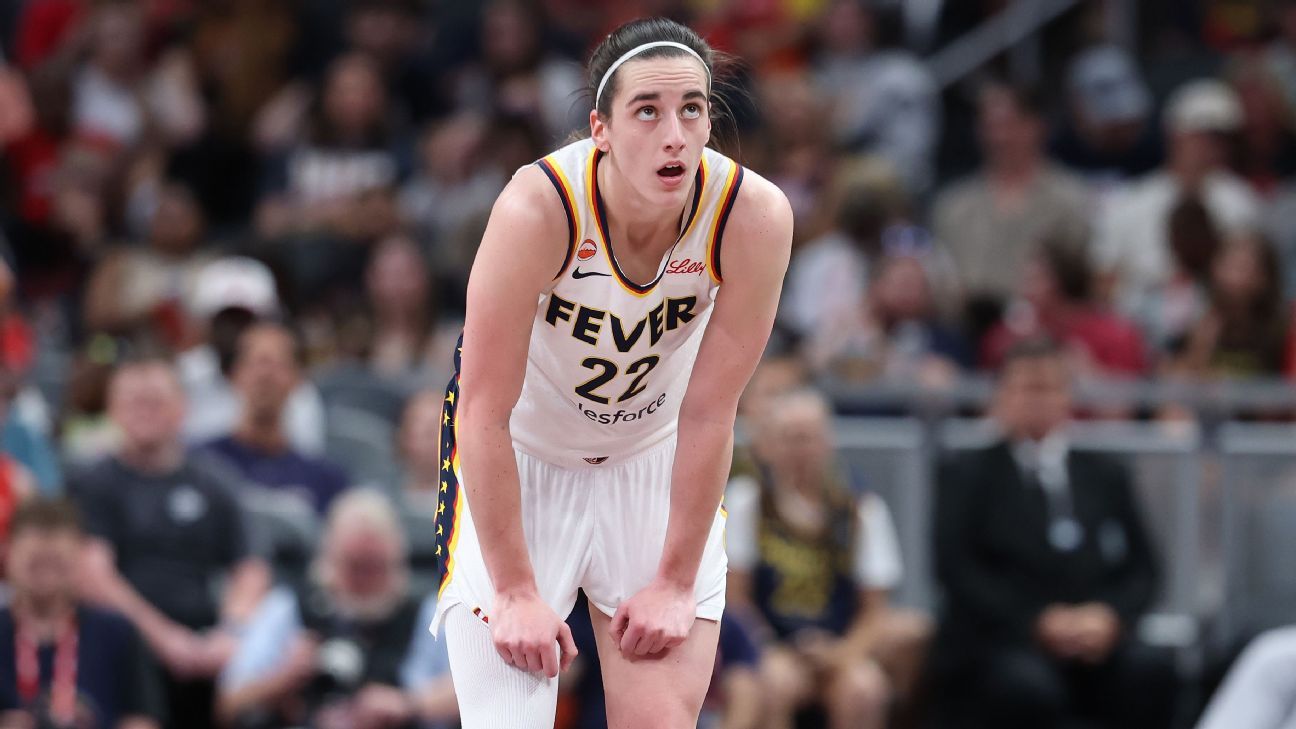
- Five U.S. House members sent a Sept. 17 letter to WNBA commissioner Cathy Engelbert demanding the league 'remain exclusively for biological women' and citing safety concerns, quoting Fever guard Sophie Cunningham's July 21 ESPN comments.
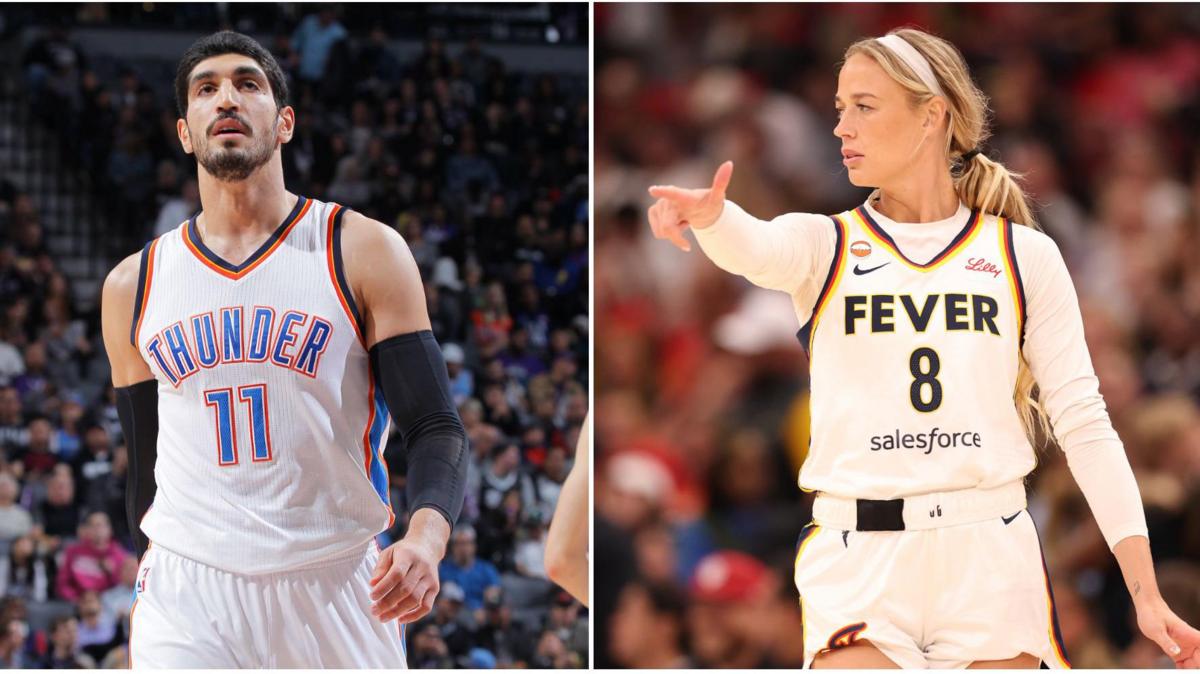
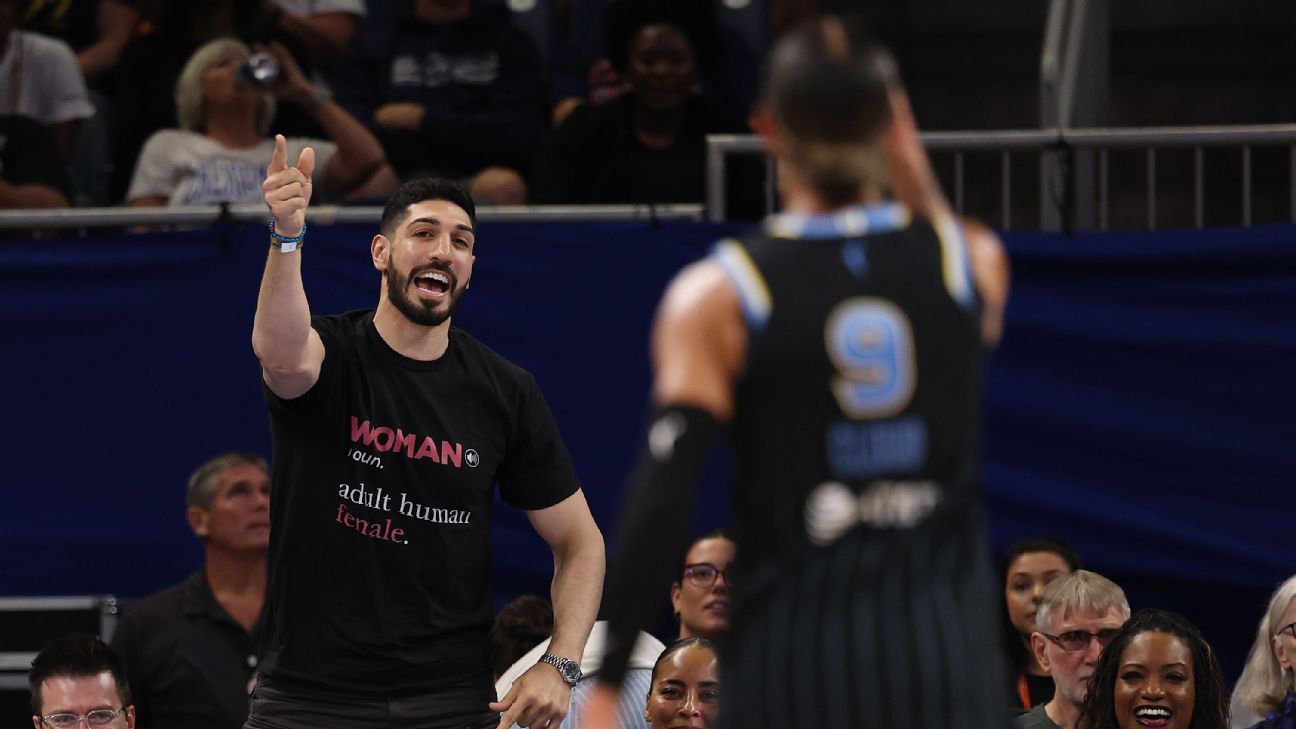
- Enes Kanter Freedom declared for the 2027 WNBA draft in an Aug. 7 Instagram video claiming he meets 'every single requirement necessary to compete in the WNBA'; he was ejected from an Aug. 23 Sky-Fever game after Natasha Cloud confronted him courtside while he wore a 'Woman noun. adult human female.' shirt.
- The 2026 WNBA CBA states 'only players who are women are eligible to play in the WNBA' but does not define 'woman' or outline any transgender eligibility process — identical language that has appeared in all six CBAs since 1999.
- Title VII's BFOQ exception could theoretically let the WNBA restrict players by sex as a 'bona fide occupational qualification,' but no transgender athlete policy in American women's professional sports has ever been litigated — meaning any first policy would set untested precedent.
- The 2020 Bostock v. Clayton County Supreme Court ruling found firing someone for being transgender violates Title VII, complicating any blanket ban and creating legal exposure from both directions for the league.
- The WNBA released a statement after an Aug. 12 anti-hate task force meeting implying Kanter Freedom and Royce White are not draft-eligible, but declined to clarify to ESPN how it reached that determination.
- No transgender woman has ever played in the WNBA; fewer than half of U.S. states allow transgender girls to compete in high school girls' sports, and the NCAA bans transgender women from women's competition in all three divisions — closing the traditional pipeline.
Why it matters: The WNBA's first formal eligibility policy would set untested national precedent: courts have never ruled on transgender athlete policies in women's pro sports, forcing the league to reconcile Title VII's sex discrimination protections — which shield transgender workers post-Bostock — with BFOQ exceptions that could justify sex-based restrictions. Six CBAs since 1999 have dodged defining 'woman,' leaving both sides armed with plausible legal claims.
Ask SkimNews