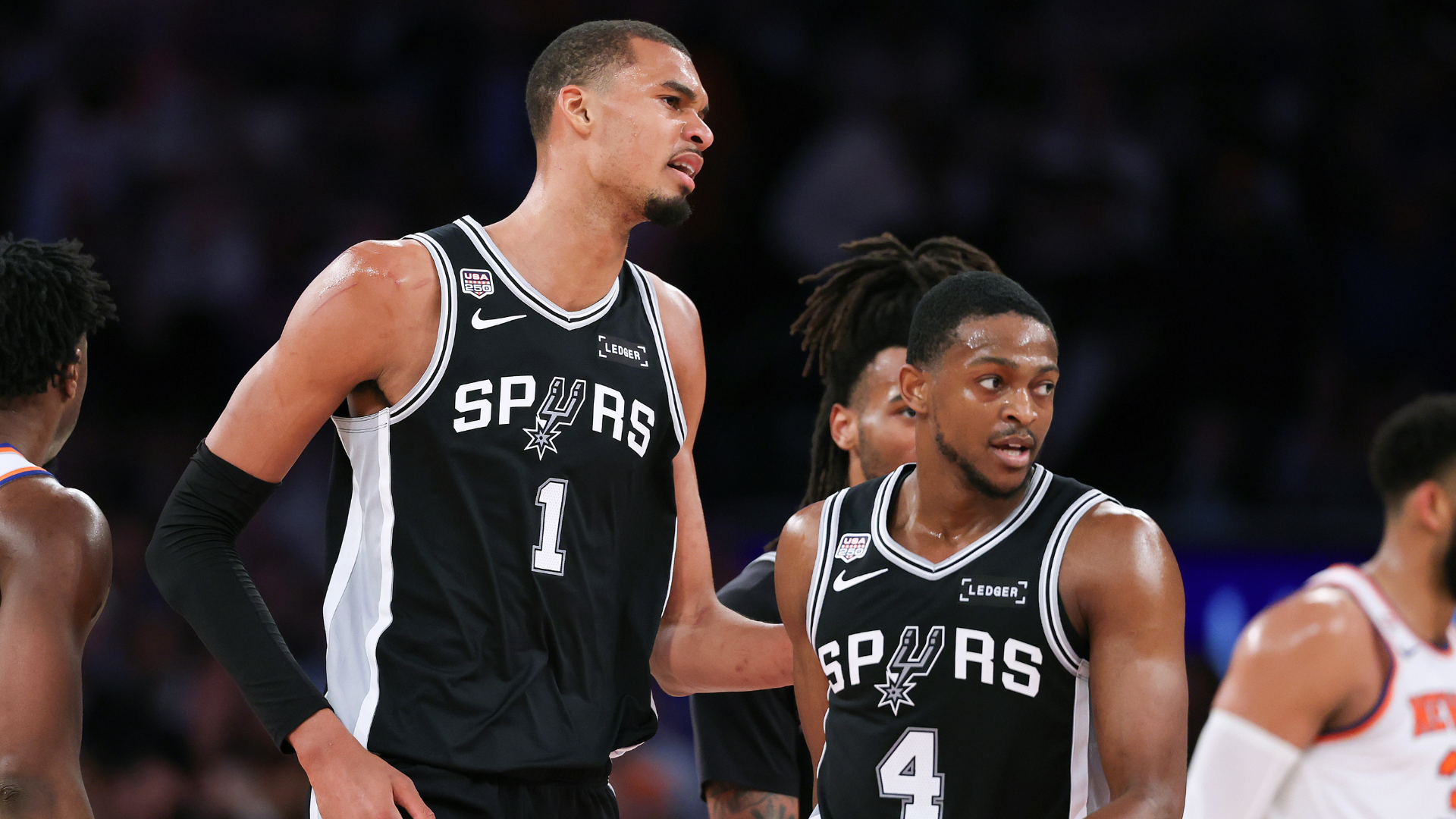
With NBA Finals loss, Victor Wembanyama is experiencing painful lesson once learned by LeBron, Magic, Dirk — SkimNews
Get the Sports newsletter
Daily sports — scores, transfers, the storylines from the leagues you actually follow. Free.
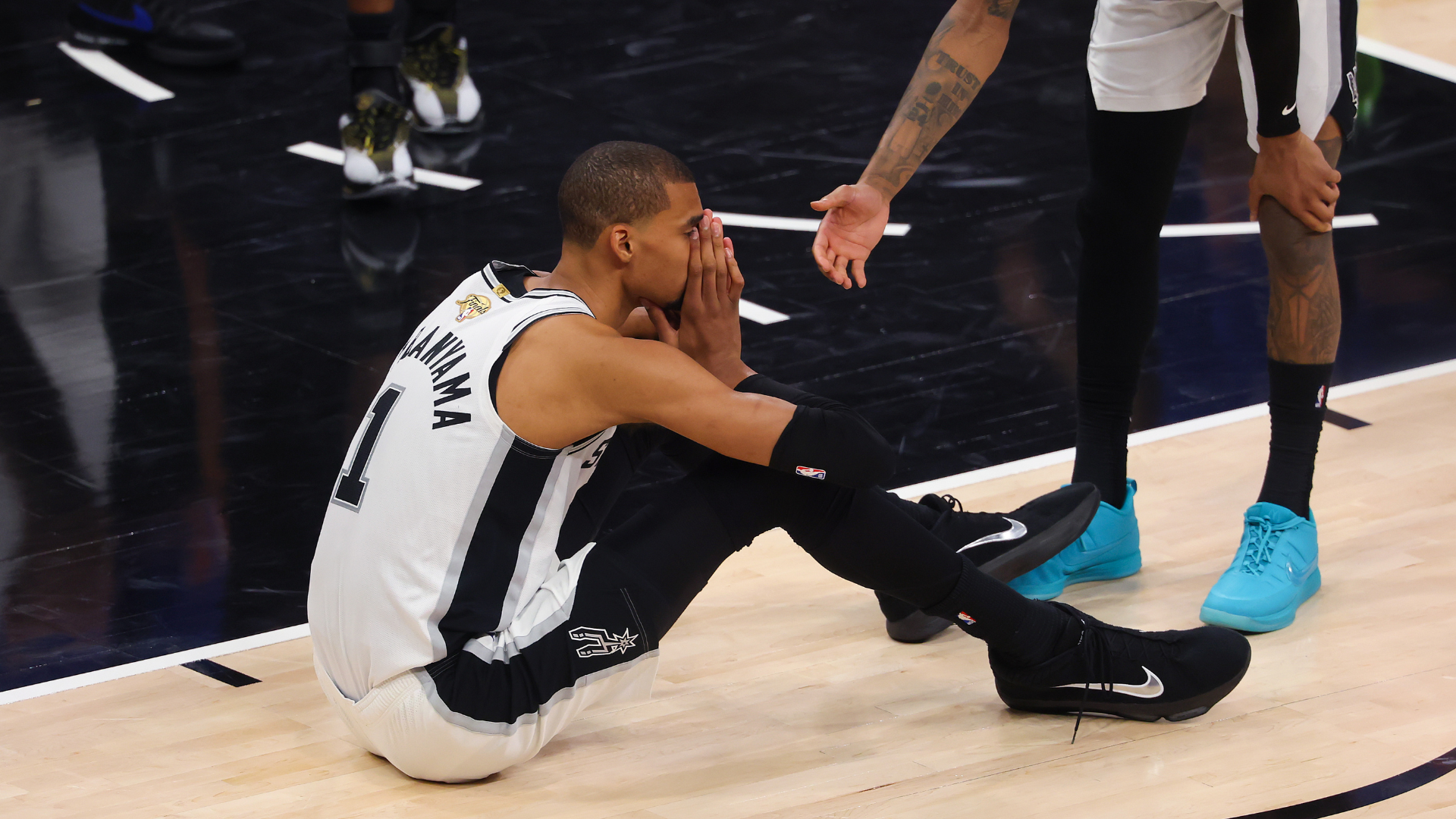
- Wembanyama and the Spurs lost the NBA Finals to the Knicks in five games, falling 94-90 in Game 5 with Wembanyama shooting 7-of-19 for 19 points.
- In Game 4, the Spurs blew a Finals-record 29-point second-half lead — described as perhaps the most stunning Finals result in NBA history — with Wembanyama shooting 3-of-14 after halftime and missing two free throws in the last two minutes that could have given San Antonio a three-point lead.
- In Game 2, Wembanyama's late turnover gave the Knicks a chance to win in regulation when their best-case scenario was overtime.
- The article draws parallels to LeBron James' 2011 Finals loss to the Dallas Mavericks — James' first season in Miami after Cleveland, coming off a conference finals win over MVP Derrick Rose, mirroring Wembanyama's path of toppling the MVP before reaching the Finals.
- Other historical parallels cited include Kobe Bryant's four airballs in five minutes against Utah in 1997, Dirk Nowitzki's 67-win 2007 Mavericks becoming the second No. 1 seed ever to lose a first-round series to a No. 8 seed, Magic Johnson's 1984 'Tragic Johnson' moment in the Finals, and Stephen Curry's behind-the-back pass out of bounds in 2016 Game 7.
- The piece notes every player on that list — James, Bryant, Nowitzki, Johnson, Curry — eventually won championships after their early Finals heartbreak, framing Wembanyama's loss as a familiar crucible rather than a ceiling.
Why it matters: Wembanyama, 22, now joins a club of superstars — LeBron, Kobe, Magic, Dirk, Curry — whose defining losses preceded their championship runs, and the piece argues the five-game defeat functions as a growth moment rather than a verdict. The Spurs blew a Finals-record 29-point second-half lead in Game 4, a collapse that will define the series regardless of what comes next, but every comparable great bounced back to win at least one title.
Ask SkimNews