Iran Fires Missile Waves at Israel; Most Intercepted — SkimNews

SkimNews Take
With most missiles intercepted and no immediate casualties reported, the exchange reflects a calibrated signaling pattern — wide in geographic reach but contained in actual impact — where each strike demonstrates capability without crossing thresholds that would compel a broader war.
Get the Geopolitics newsletter
Daily geopolitics — wars, elections, sanctions, the diplomatic moves that move markets. Free.
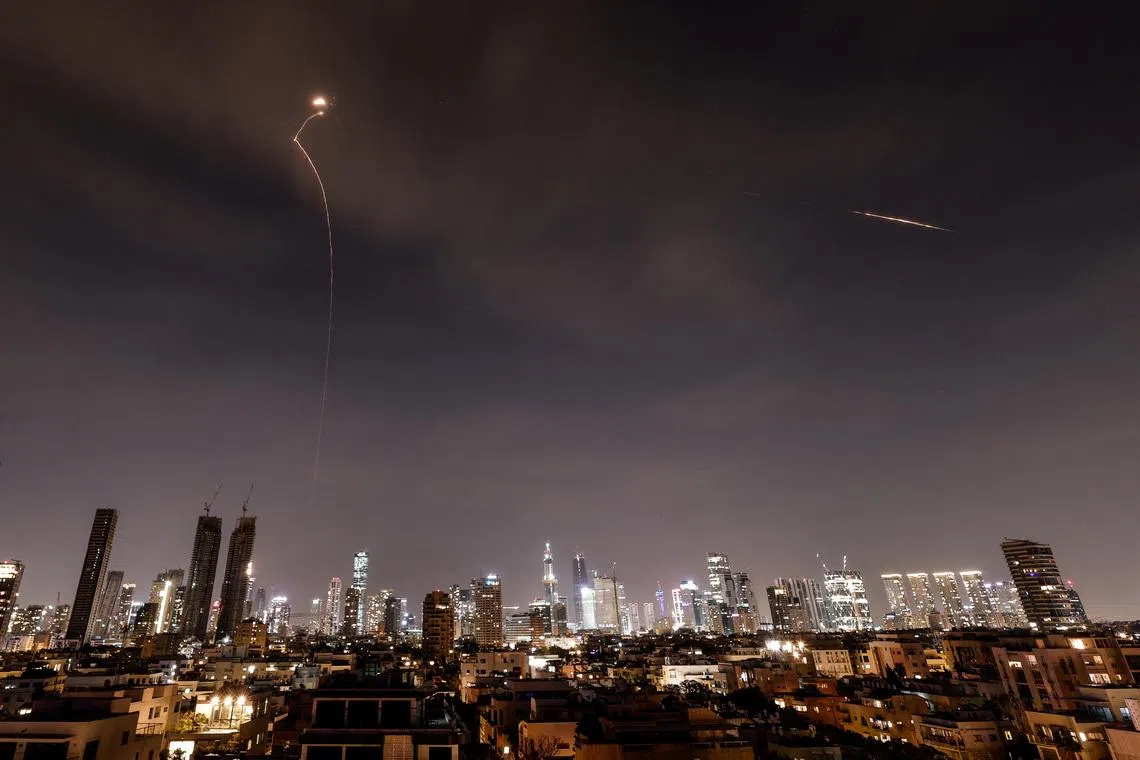
- Iran launched at least two waves of missiles toward Israel early on Sunday (March 8, 2026), per Israeli military statements saying air defenses were responding to the fire.
- Israel's Home Front Command ordered residents into shelters across northern Israel, including the port city of Haifa, then lifted the alerts nationwide before reactivating sirens in southern Israel and the occupied West Bank.
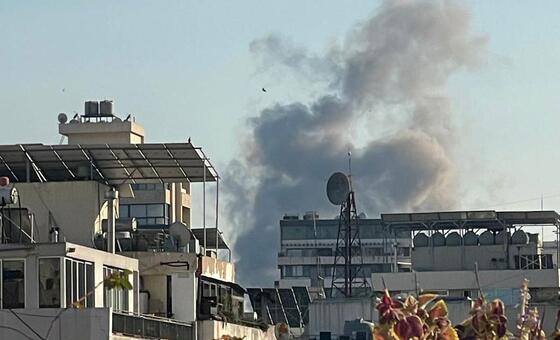
- Israeli media reported several missiles were launched and most were intercepted, with no immediate reports of damage or casualties from the exchange.
- The attack is part of a war that began with US-Israeli strikes on Iran on February 28, 2026, and missile attacks in the conflict have killed 10 people in Israel to date.
- Israeli military declared it safe to leave protected spaces in all areas of the country after the initial waves, even as fresh alerts later sounded in Beersheba and the West Bank.
Why it matters: This is the latest missile exchange in a war that began with US-Israeli strikes on Iran on February 28 and has killed 10 people in Israel to date. The geographic spread of alerts — from Haifa in the north to Beersheba in the south plus the West Bank — shows Iranian strikes are now reaching across the full length of Israeli territory, not just frontier regions.
Ask SkimNews