House Passes Muhammad Ali Boxing Revival Act — SkimNews
Get the Sports newsletter
Daily sports — scores, transfers, the storylines from the leagues you actually follow. Free.
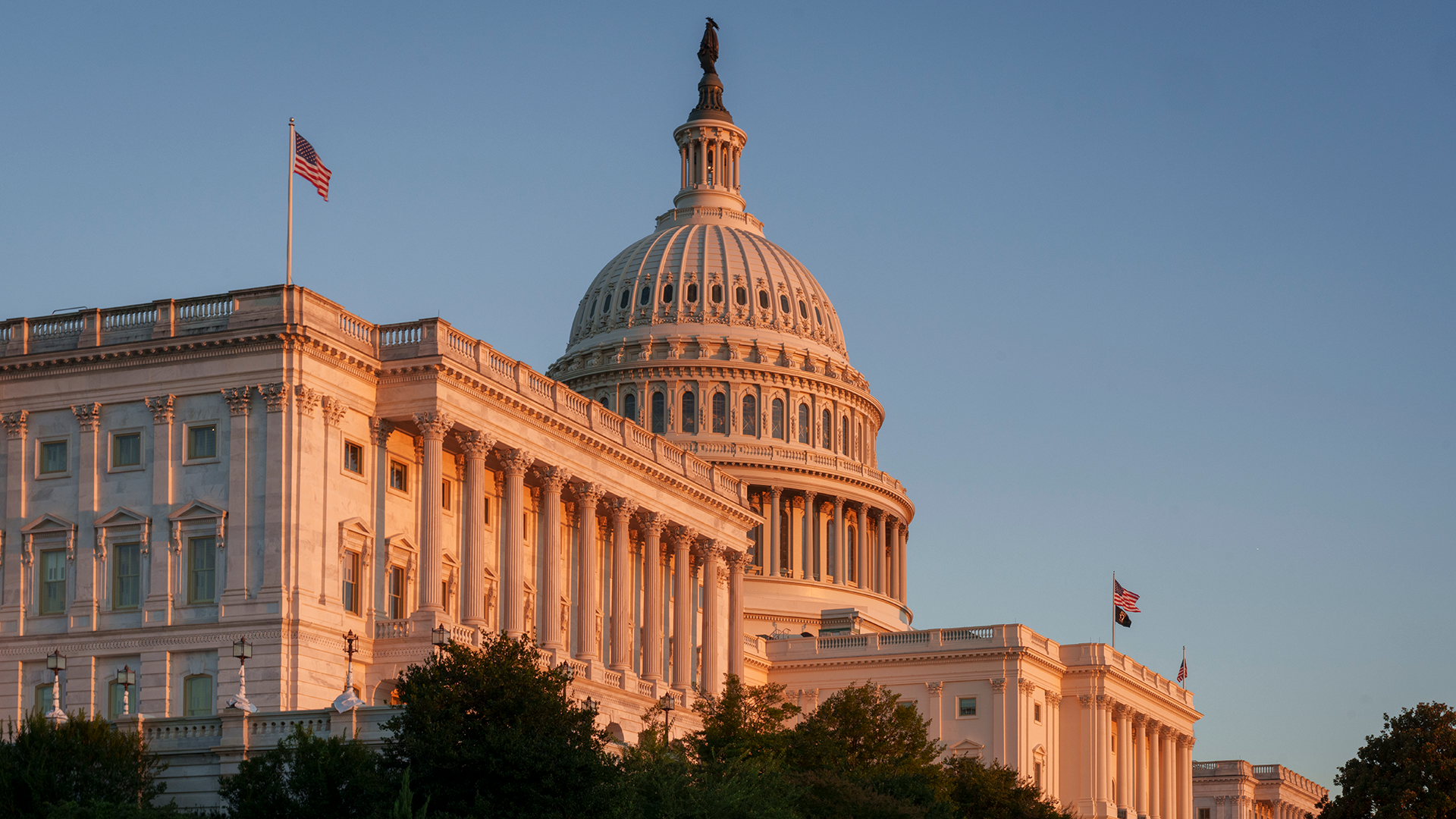
- The U.S. House of Representatives passed the Muhammad Ali Boxing Revival Act by voice vote Tuesday after 30 minutes of debate, sending the bill to the Senate and potentially to President Trump's desk.
- Rep. Brian Jack (R-Ga.), the bill's author, said the legislation would create Unified Boxing Organizations (UBOs) — one-stop shops combining promotion, rankings, titles, and matchmaking in a model similar to how the UFC operates in MMA.
- UFC CEO Dana White, his Zuffa Boxing outfit, and Mike Tyson backed the bill, citing benefits including mandatory physicals, brain and eye testing, one belt per weight class per sanctioning body, and a $200 per-round minimum payment to all fighters.
- Rep. Joe Courtney (D-Conn.) was the only one of nine House floor speakers to oppose the bill, warning UBOs could replicate the UFC model that has faced two antitrust lawsuits — one settled for $375 million — over alleged wage suppression and monopolization.
- The Association of Boxing Commissions and Association of Ringside Physicians gained authority under a March amendment to set baseline nationwide health and safety standards, including yearly physicals, brain/eye/heart exams, blood work every six months, and increased testing for fighters over 40.
- Top Rank founder Bob Arum argued in a December letter to Congress that UBOs would be exempt from compliance rules non-UBOs must follow, potentially stripping fighters of protections afforded by the original 1996 and 2000 Ali Acts.
- The bill cleared the House Committee on Education and the Workforce 30-4 in January; Reps. Ilhan Omar (D-Minn.) and Bobby Scott (D-Va.) supported it but urged the Senate to add anti-monopoly, financial transparency, and class-action safeguards.
Why it matters: If the Senate passes the bill, boxers would gain the option to sign with UBOs, but critics argue those organizations could concentrate contractual power in promoters' hands rather than fighters' — the same model the UFC has already been sued over twice in antitrust actions, with one case settling for $375 million.
Ask SkimNews