AI agents go mainstream as Codex adoption hits 17% — SkimNews

Get the Tech newsletter
Daily tech — startups, AI labs, chips, the launches that shape the next decade. Free.
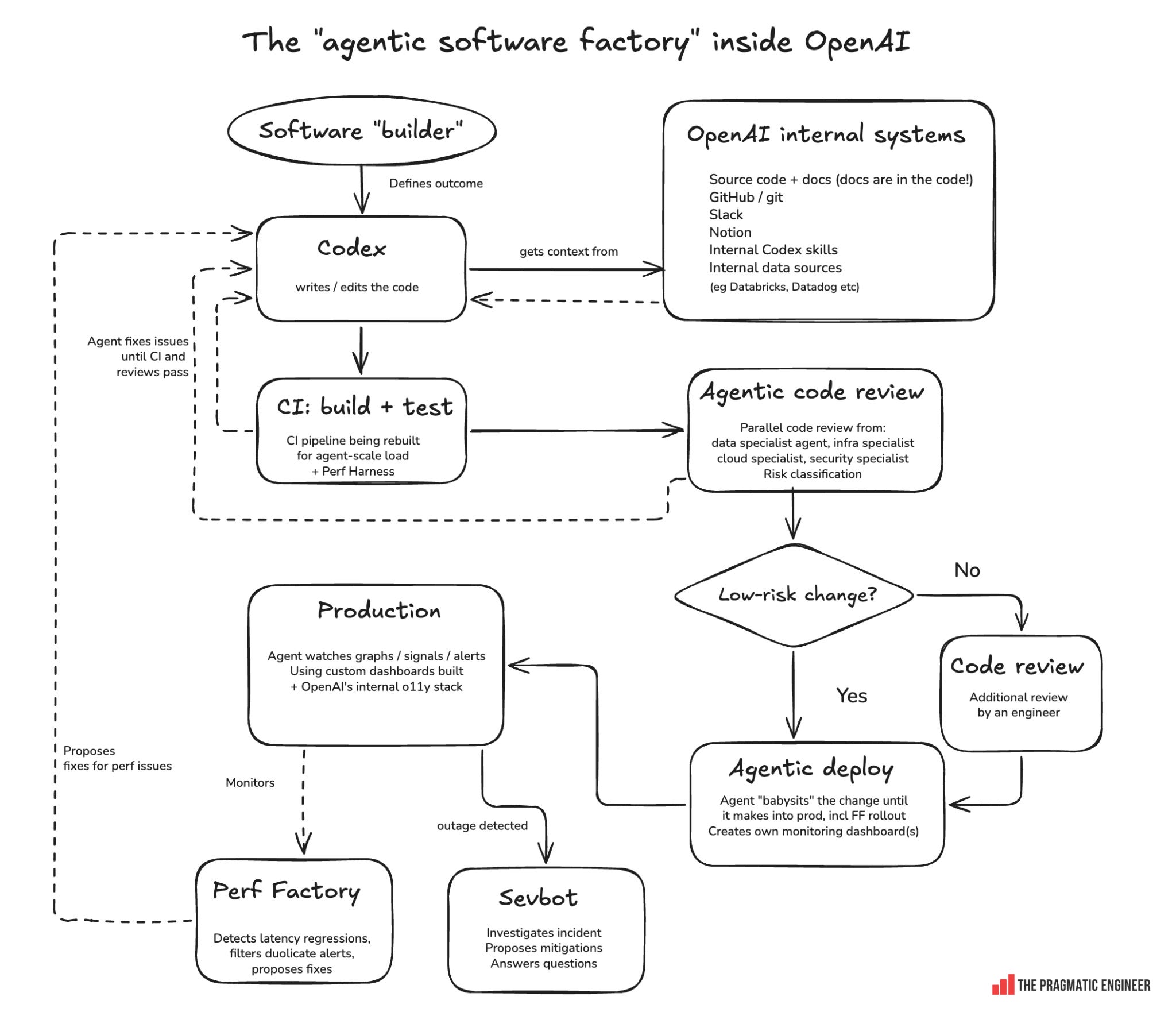
- Organizational Codex adoption jumped from just above 0% in August 2025 to around 17% now, according to a joint report from OpenAI, Columbia, Duke, and the University of Pennsylvania shared first with Axios.
- OpenAI employees themselves produce 99.8% of their output tokens with Codex, compared with 63% at outside organizations and 16.5% for individual users — a benchmark the company offers for what agent use looks like with cost, access, and training barriers removed.
- Individual Codex users are delegating substantial work: 80.6% made at least one request estimated at over 30 minutes of human labor, 70.2% saved more than an hour, and 25.6% delegated tasks exceeding 8 hours of human work.
- Non-developers are the fastest-growing user group on Codex, even though software work remains the platform's core use case, per the report.
- The shift to agentic work began in earnest at the start of 2026, when users began granting Codex, OpenClaw, and Anthropic's Claude Code access to desktops, calendars, files, web browsers, and scripts.
- Despite the growth, fewer than 1% of consumer-tier ChatGPT users on Go, Free, Pro, and Plus plans used Codex in the last 28 days — most people are still chatting, not delegating.
- Workplace culture expert Jessica Kriegel told Axios that agents reduce 'the psychological cost of action,' making unfamiliar work feel more approachable and prompting people to 'start sooner, experiment more.'
Why it matters: Organizational Codex adoption jumped from near zero to 17% in under a year while fewer than 1% of consumer plan users touched Codex — the clearest signal yet that agentic AI is taking hold inside employer-provided tools before reaching mainstream consumers, with the workplace absorbing the transition first.
Ask SkimNews