Israel mobilizes to block Turkey's F-35 return — SkimNews
SkimNews Take
Deploying the "qualitative military edge" doctrine against a NATO member for the first time reframes QME from an adversary-focused standard into a mechanism for competition among allies, establishing a precedent where future US-Turkey defense decisions could hinge on Israeli assessment.
Get the Geopolitics newsletter
Daily geopolitics — wars, elections, sanctions, the diplomatic moves that move markets. Free.
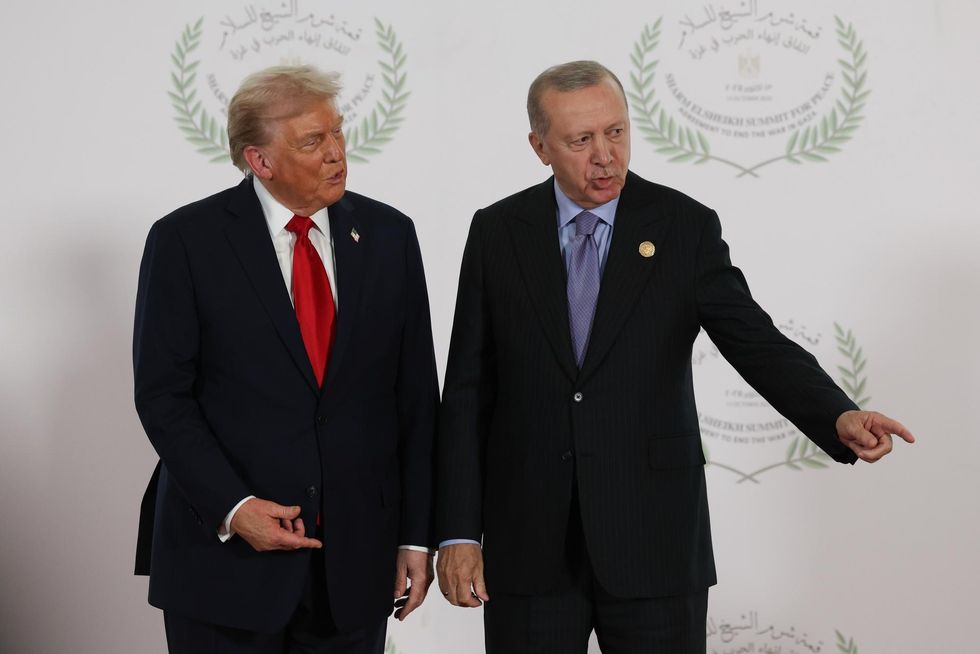
- Trump at the Ankara NATO summit said he'd lift CAATSA sanctions imposed after Turkey's 2019 Russian S-400 purchase and was "certainly" considering restoring Turkey's F-35 access, suspended at the same time.
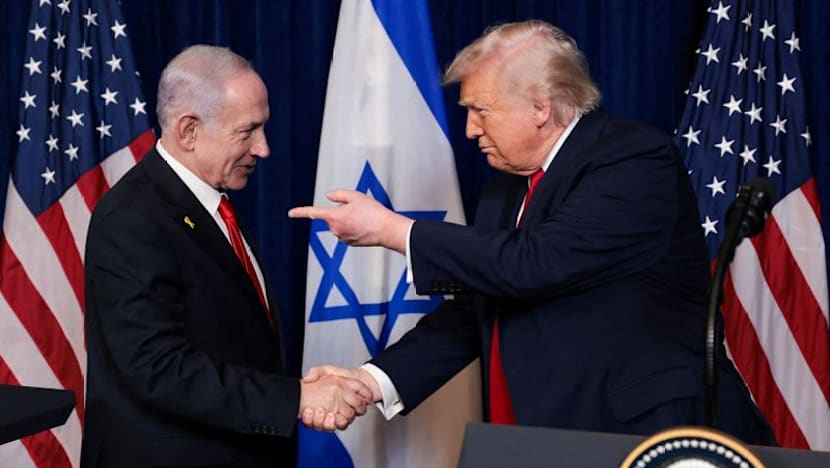
- Netanyahu within 72 hours argued on three American networks that Erdogan "not a friend" could be trusted; Israeli FM Sa'ar recast FM Fidan's CNN Türk remarks as calling for Israel's erasure, a framing the source notes miscasts Turkey as Iranian-style despite Ankara recognizing Israel since 1949.
- Turkey remains the only F-35 program participant expelled after paying in, with $1.5 billion and six undelivered aircraft lost; a separate $700 million sale of F110 engines for its domestic KAAN fighter cleared congressional review in July.
- Israel operates 48 F-35s with 100 contracted, while Turkey's return covers only the six aircraft already financed — meaning Israeli air superiority would remain intact even if Ankara rejoined.
- The U.S. "qualitative military edge" law has been invoked against Qatar, the UAE, Saudi Arabia, and Egypt since 2008 but never formally applied to a NATO ally, making Turkey's case a doctrinal first.
- Turkey is reportedly exploring transferring its S-400 batteries to a Gulf state, a step Washington has demanded for years to resolve the sanctions impasse.
- Trump told reporters that on the F-35 question, "nobody tells me what we should be selling or not," signaling the broader U.S.-Turkey relationship matters more to him than Israeli objections.
Why it matters: Applying Israel's qualitative-military-edge veto to a NATO ally would force Washington to choose between a treaty partner's air-defense needs and a Middle East arms standard designed for non-allies. Turkey already paid $1.5 billion for F-35s it never received and anchors NATO's southeastern flank — making continued exclusion a political and financial liability for Erdogan at home and a credibility cost for U.S. alliance management.
Ask SkimNews