CNA Explains: What’s driving Japan’s urgent defence push? — SkimNews
SkimNews Take
Hitting the 2% GDP target ahead of schedule while simultaneously demanding "urgent acceleration" reveals the spending benchmark was always a floor rather than a ceiling — Japan's real threshold is now defined by capability gaps across a three-front threat, not budgetary milestones.
Get the Geopolitics newsletter
Daily geopolitics — wars, elections, sanctions, the diplomatic moves that move markets. Free.
- Shinjiro Koizumi on Aug 4 urged Japan to boost defense with greater "sense of urgency and crisis," as the government's white paper highlighted threats from China, North Korea, and Russia
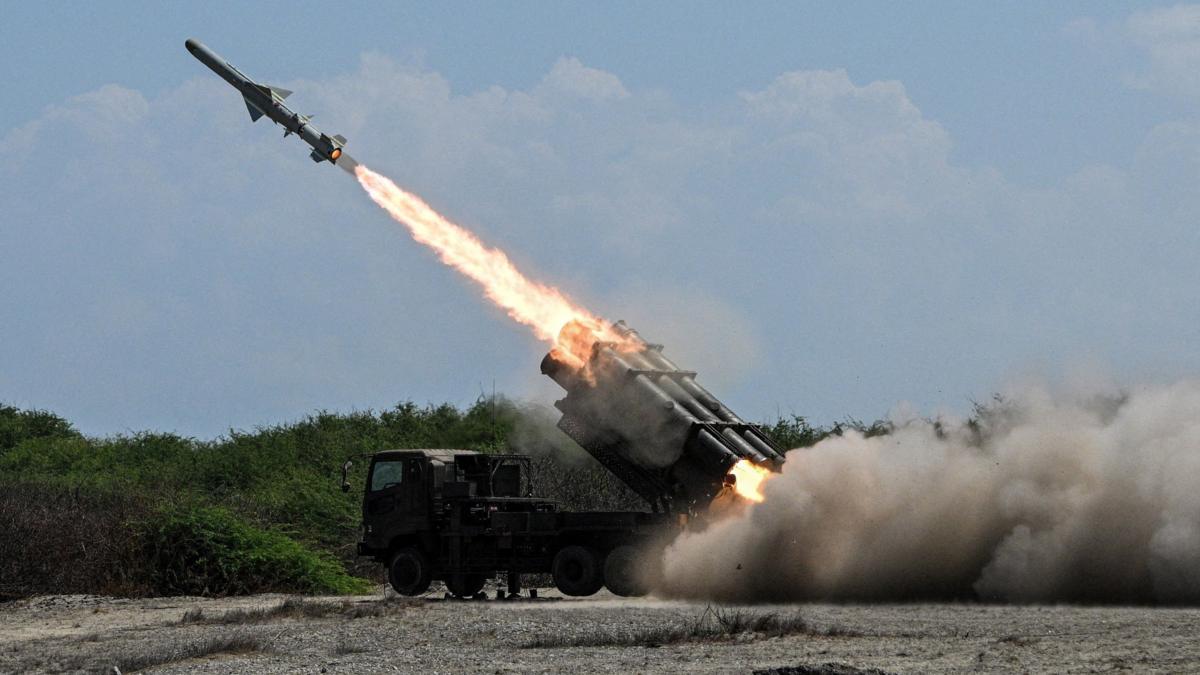
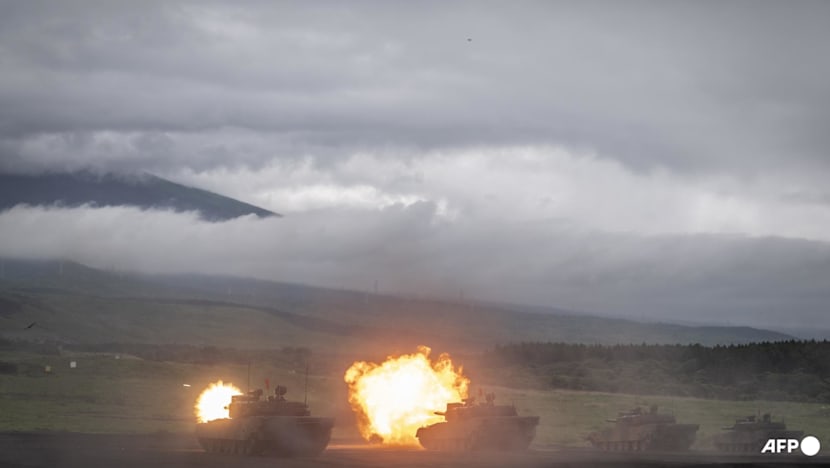
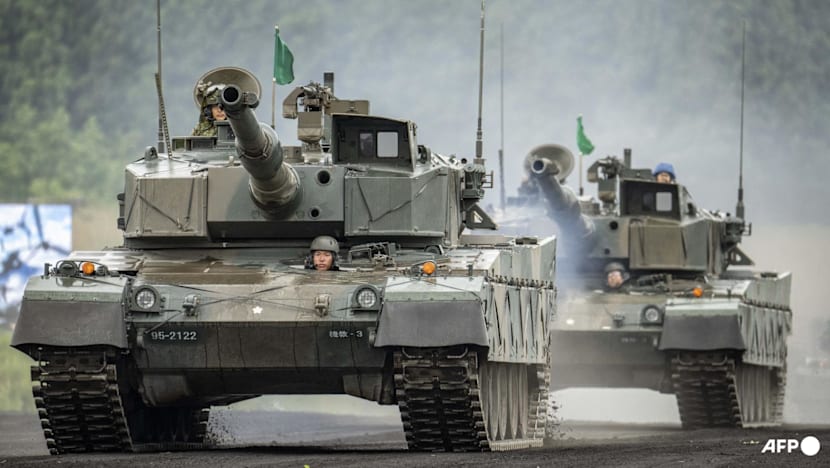
- Japan has already reached its 2% GDP defense spending target ahead of the 2027 deadline, marking its biggest military buildup since World War II
- The current expansion phase began in 2022 when then-PM Fumio Kishida called for a "fundamental enhancement" of defense capabilities, following Russia's invasion of Ukraine
- RAND analyst Jeffrey Hornung said this is a continuation of over a decade of upgrades, not a sudden "remilitarization," with Japan focusing on homeland defense rather than an expeditionary force
- Japanese jets scrambled 595 times in the year to March 31, including 366 responses to Chinese aircraft and 214 to Russian planes
- A 2025 Asahi Shimbun poll found more than 75% of Japanese respondents were uncertain the US would defend Japan — analysts said this drives Tokyo to "demonstrate value" to the alliance while hedging against American inconstancy
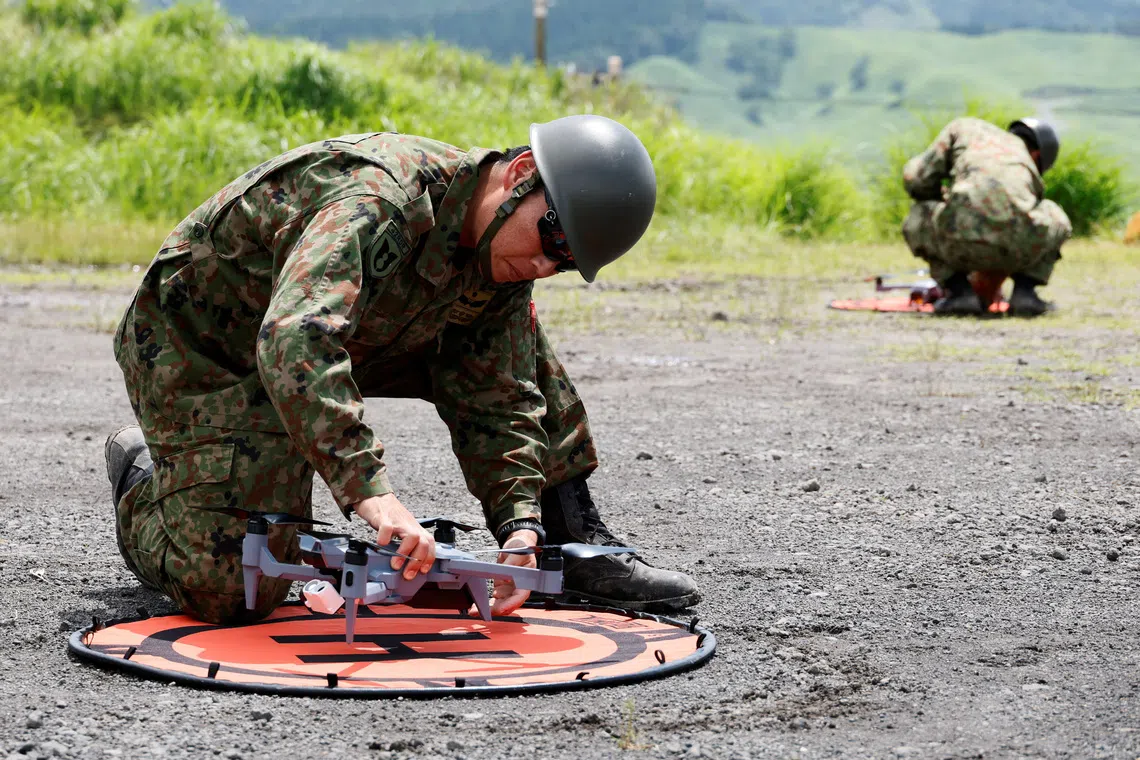
- Tokyo is loosening restrictions on defense exports and stepping up funding for arms-related startups, while adapting forces for "new ways of warfare" including drones, AI, and autonomous technology to offset its shrinking workforce
Why it matters: Japan hitting 2% GDP defense spending two years early signals that threats from Beijing, Pyongyang, and Moscow have become acute enough to override Japan's traditional pacifist caution. With 75% of Japanese doubting US security guarantees, Tokyo is simultaneously reinforcing the alliance and building an independent industrial base through loosened export rules — a dual hedge that reshapes Indo-Pacific deterrence.
Ask SkimNews