SF₆ Levels Surge in Beijing Amid Clean Air Gains — SkimNews

Get the Energy newsletter
Daily energy & climate — solar, EVs, oil, the policy fights and tech bets shaping the transition. Free.
- Sulfur hexafluoride levels in the Beijing region have continued to rise despite declining or stable concentrations of other climate pollutants, according to new research.
- Beijing's air quality efforts have successfully plateaued or reduced most greenhouse gases, but the trend does not extend to sulfur hexafluoride (SF₆), the study reveals.
- Environmental Science & Technology published the findings, highlighting a gap in current pollution control strategies regarding this potent synthetic gas.
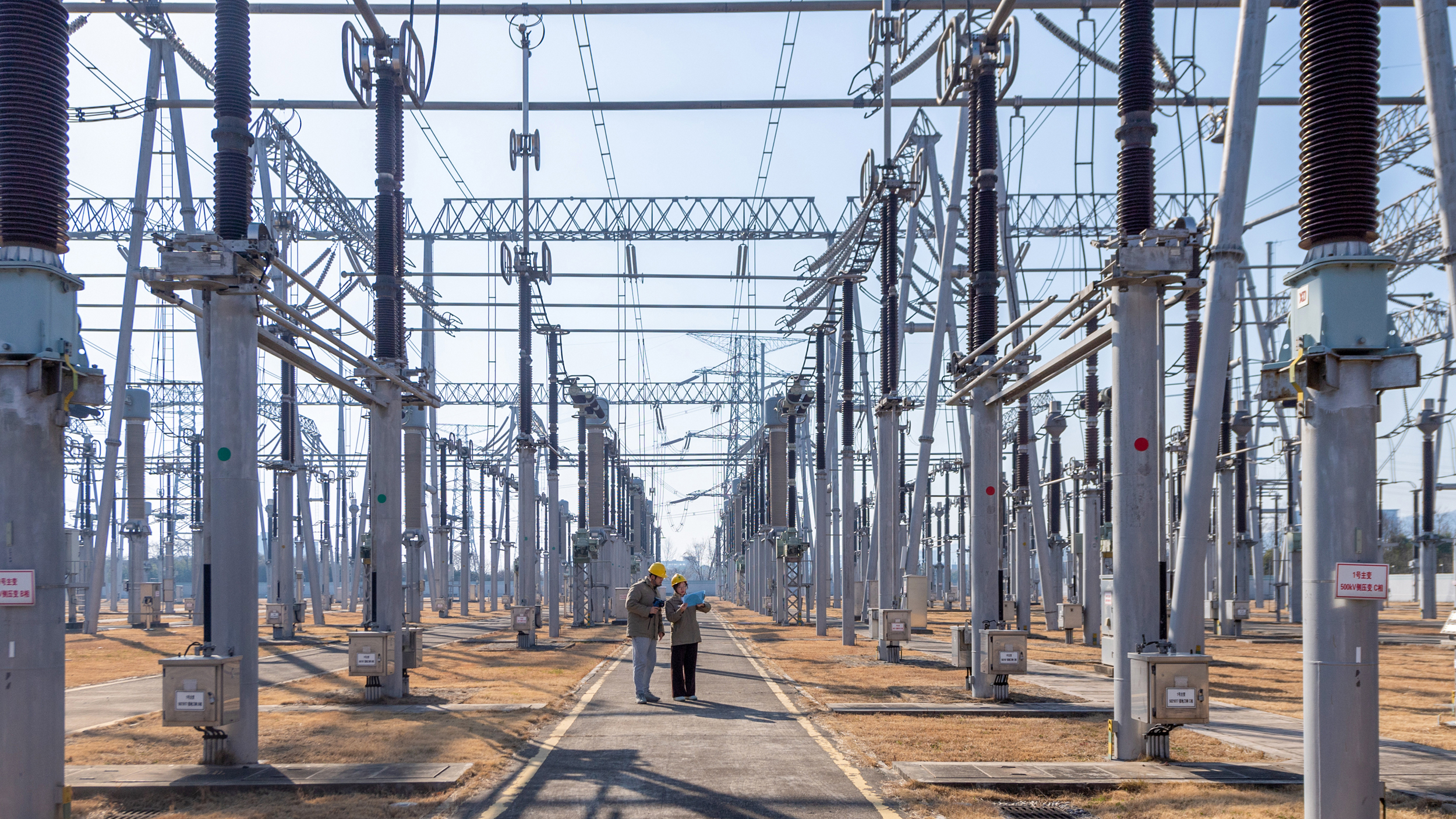
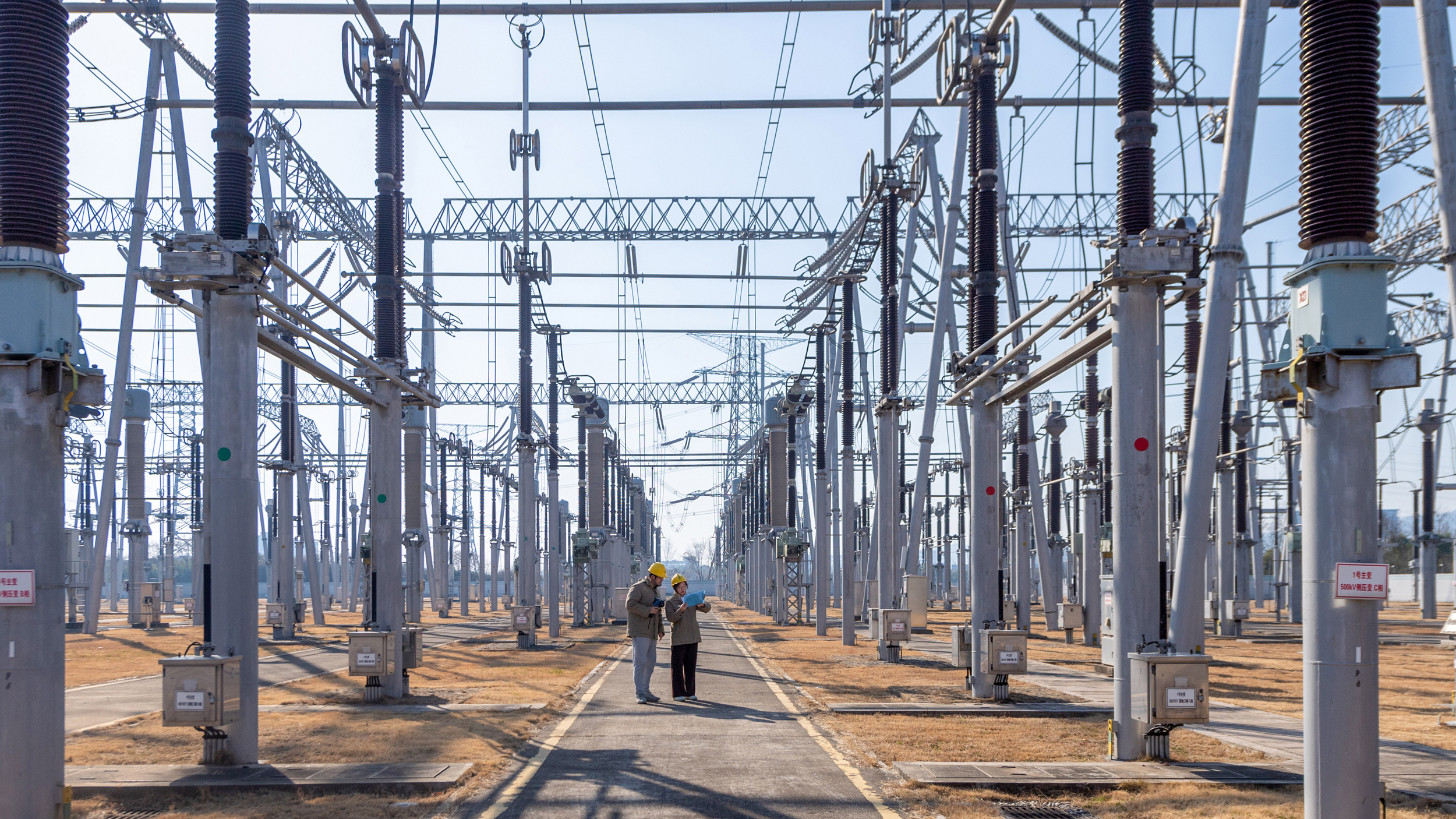
- SF₆ is recognized as the world’s most potent greenhouse gas, with a global warming potential many thousands of times greater than CO₂ over a century.
Why it matters: The surge in SF₆ undermines regional climate progress because even small emissions of this gas have an outsized warming effect. This creates a growing challenge for China’s emissions targets, as current clean-air policies appear not to be addressing this specific compound effectively.
Ask SkimNews