Houthis hit Saudi Aramco as Iran lists Hormuz demands — SkimNews

Get the Geopolitics newsletter
Daily geopolitics — wars, elections, sanctions, the diplomatic moves that move markets. Free.
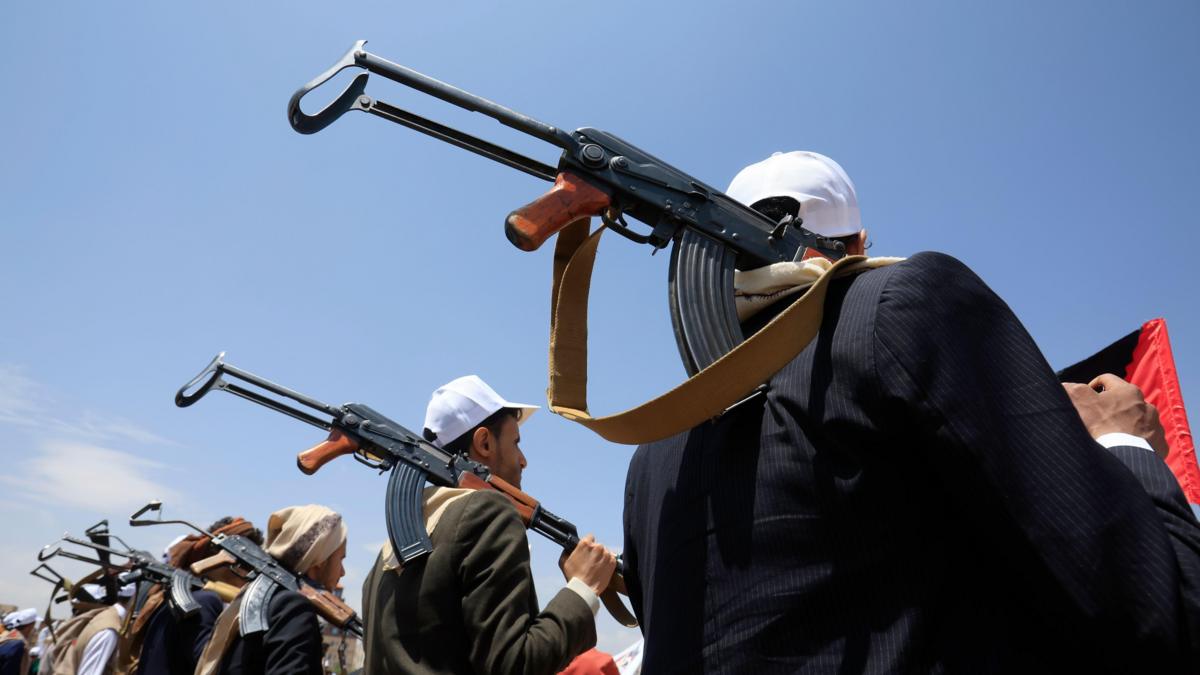
- Houthis claimed a drone strike on Saudi Aramco's Jazan refinery on Sunday; Saudi Arabia's Energy Ministry confirmed a fire was extinguished with no casualties, and the ministry did not state a cause
- Yemeni government official Fayed al-Noman said the Houthis also fired missiles and drones at Mocha port, a key facility renovated to handle shipping bypassing Houthi-held Hodeida, with the escalation threatening to reignite Yemen's civil war more than four years after a 2022 truce
- Iran's Foreign Minister Abbas Araghchi said an exchange of messages with the US through intermediaries continues but that negotiations cannot resume until the US remedies violations of the memorandum of understanding
- Iran's Supreme National Security Council, via Revolutionary Guard commander Mohammad Bagher Zolghadr, set conditions for any Strait of Hormuz reopening: no future US threats, permanent end to the war with Iran and its regional allies, lifting the naval blockade, military withdrawal, complete war-damage compensation, lifting sanctions, and unconditional release of frozen assets
- US Central Command reported the naval blockade had redirected 53 commercial vessels, disabled two, and boarded two through Saturday
- Pentagon spokesperson Sean Parnell said the department is accelerating weapons purchases as a Centre for Strategic and International Studies analysis found the five-month war with Iran has further depleted the US military's already reduced stockpiles of advanced missile interceptors
- A proposed interim Iran-Oman Strait of Hormuz deal would route inbound ships close to Iran and outbound ships close to Oman without fees, has backing from Gulf Cooperation Council members, and would restart a 60-day clock on Iran's nuclear negotiations, according to two people familiar with the talks
Why it matters: Iran's seven-point precondition list—requiring the US to permanently end the war, lift its naval blockade, withdraw forces, and fully compensate Tehran for war damage—makes the proposed Hormuz shipping deal essentially cosmetic and leaves the 60-day nuclear clock stalled, while the Pentagon's scramble for interceptor missiles signals the five-month conflict is already exhausting US munitions stockpiles.
Ask SkimNews