Supreme Court strikes Trump tariff authority, he imposes 10% global levy — SkimNews

Get the Finance newsletter
Daily finance — markets, central banks, M&A, the prints that move money. Free.
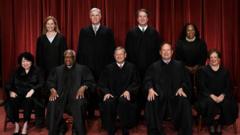
- Supreme Court ruled 6-3 that the law does not authorize the President to impose reciprocal tariffs, invalidating a core part of Trump’s trade policy
- Trump signed an executive order imposing a new 10% 'global tariff' under 'Section 122' hours after the ruling, claiming it would take effect 'almost immediately'
- Taiwan assessed the new 10% flat tariff would have a 'limited impact' on its economy but pledged to 'closely monitor' developments and coordinate with the U.S.
- French President Macron said the ruling demonstrated the value of a Supreme Court and the rule of law, calling it a beneficial check on executive power
- U.K. government stated it would continue working with the U.S. to understand the ruling’s implications, asserting confidence in maintaining its 'privileged trading position'
- British Chambers of Commerce warned the decision fails to resolve uncertainty for U.K. businesses and raises unresolved questions about reclaiming paid levies
- International Chamber of Commerce welcomed the ruling but cautioned that administrative complexity could delay refunds and increase litigation risks for importers
Why it matters: The ruling strips Trump of statutory authority for broad tariffs, but his immediate move to impose new levies under a different justification maintains pressure on exporters. Businesses face continued uncertainty, with no clear path to reclaim $ billions in past tariffs, while U.S. trading partners must now navigate a still-unpredictable trade environment despite the court’s limits.
Ask SkimNews