Stocks Hit Records as Iran Opens Strait of Hormuz — SkimNews
SkimNews Take
The temporary de-escalation of a major geopolitical risk can rapidly reprice assets globally, even if the underlying tensions remain unresolved.
Get the Finance newsletter
Daily finance — markets, central banks, M&A, the prints that move money. Free.
- Abbas Araqchi posted on X that the Strait of Hormuz is "completely open" for all commercial vessels for the remainder of the 10-day Israel–Hezbollah truce, a statement analysts treated as the de-escalation trigger despite skepticism toward Tehran
- Crude oil fell 10.6% on the shipping news, dragging the S&P 500 energy sector down 4.5% with Exxon Mobil losing 5% and Chevron 4%
- Travel stocks surged on cheaper fuel and reduced geopolitical risk, with American Airlines and United Airlines jumping more than 7% and cruise operators Carnival and Norwegian Cruise rising 8% and 8.5% respectively
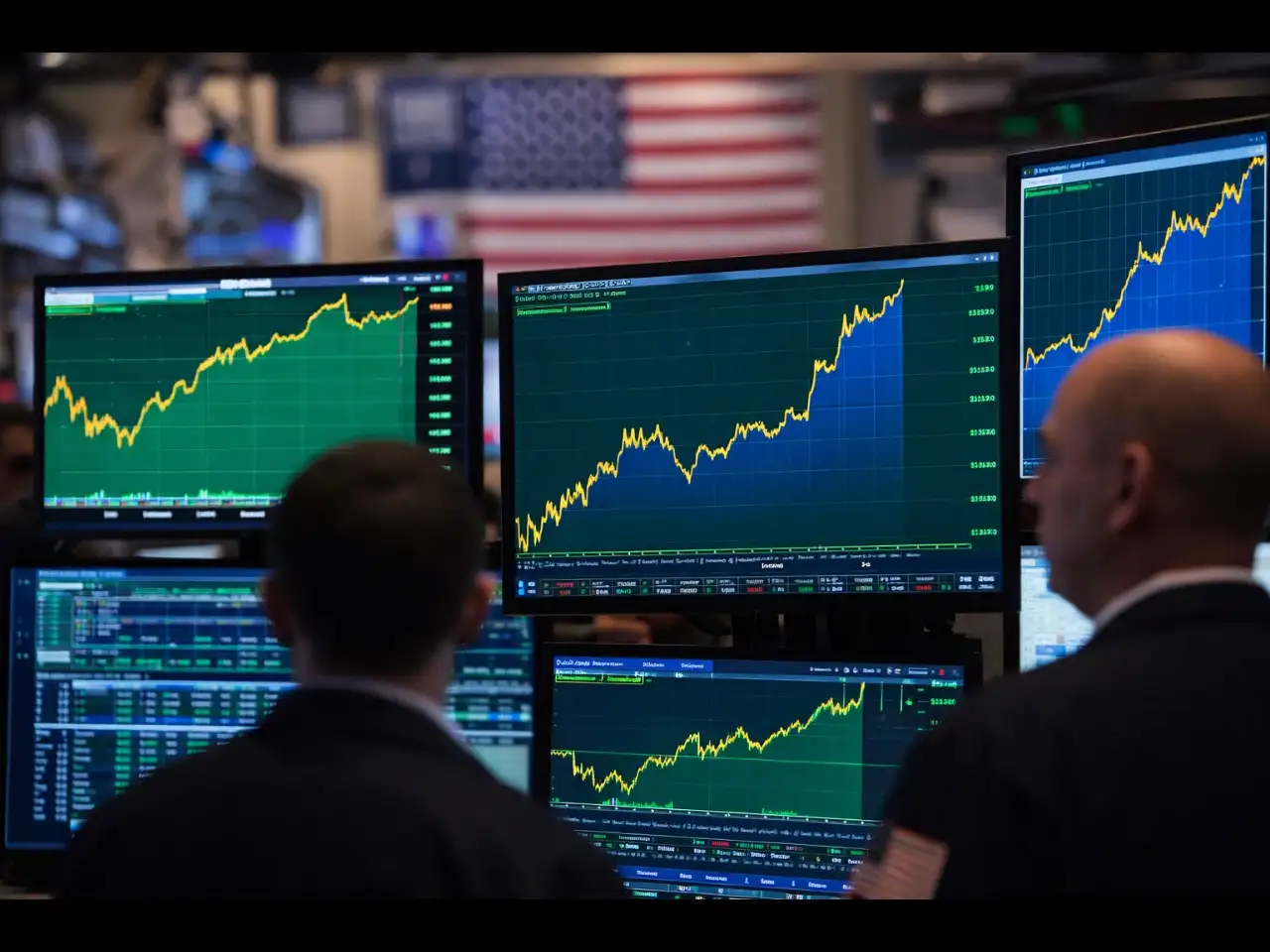
- The S&P 500 and Nasdaq Composite notched record closes, putting the Nasdaq on a 13-day winning streak — its longest run since January 1992 — while the small-cap Russell 2000 hit its first intraday record since the US-Iran conflict erupted
- Rate-cut expectations swung sharply, with fed-funds futures pricing in a 60% chance of a December cut versus just 20% earlier in the session according to LSEG data
- Netflix slid 10.7% after forecasting current-quarter earnings below expectations, a drop that coincided with co-founder Reed Hastings stepping down as chairman after 29 years
- Alcoa fell 9% after reporting first-quarter profit and revenue below estimates, citing elevated costs and softening demand
Why it matters: A single geopolitical headline rewrote the day's cross-asset playbook: oil gave back a 10.6% war premium in hours, airline and cruise operators — some of the most fuel-leveraged names in the S&P — captured 7-8% gains, and the December Fed-cut probability tripled within one session, illustrating how much rate-path pricing still hangs on Middle East calm holding.
Ask SkimNews