Dow Soars 1,330 Points on Iran Ceasefire Hopes — SkimNews
SkimNews Take
The speed and magnitude of this rally on a single official's statement reveals how asymmetrically positioned markets had become toward escalation, making even tentative de-escalation headlines sufficient to trigger forced covering across oil-sensitive sectors.
Get the Finance newsletter
Daily finance — markets, central banks, M&A, the prints that move money. Free.
- The Dow Jones Industrial Average rose 1,329.56 points (2.85%) to 47,914.02, with the S&P 500 gaining 2.52% to 6,783.48 and the Nasdaq Composite climbing 2.82% to 22,637.90.
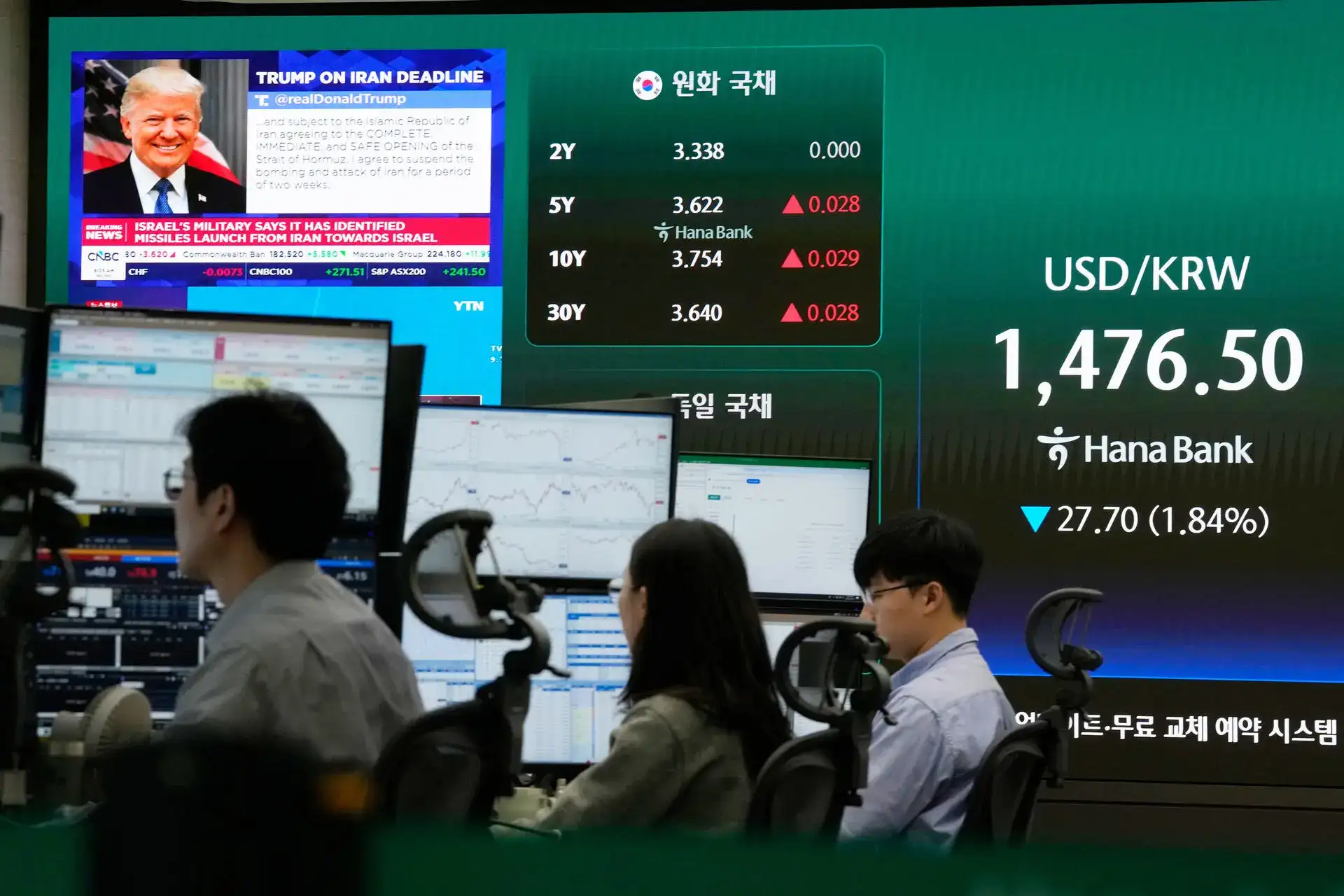
- Crude oil futures collapsed as a senior Iranian official told Reuters the Strait of Hormuz — through which one-fifth of the world's oil flows — could reopen Thursday or Friday if countries agreed on a ceasefire framework; front-month WTI fell 16.4% and Brent 13.3%, both settling below $100 per barrel.
- International equities outperformed the U.S., with European shares up 3.9% and the MSCI World index gaining over 3% — both logging their biggest one-day percentage gains in a year, since other economies were more exposed to the energy and food shocks.
- War-battered sectors including commercial airlines, travel and leisure, and homebuilders posted robust bouncebacks; the CBOE Market Volatility index dropped to its lowest level since the war began, and the Dow Transports touched an all-time high.
- Federal Reserve March meeting minutes, released the same day, showed policymakers growing more open to rate hikes and raising their 2026 inflation outlook due to the war-related oil shock.
- Delta Air Lines still rose despite issuing a disappointing second-quarter profit forecast, declining to update its annual outlook citing Iran war uncertainties; peer carriers Southwest and United, plus cruise operators Carnival and Norwegian Cruise Line, also advanced.
Why it matters: The 16%+ oil price collapse directly eases cost pressures on airlines, cruise lines, and consumers — the sectors hardest hit since the war began also bounced hardest. But the Fed's same-day minutes reveal policymakers now lean more toward rate hikes because of the oil shock, meaning the rate path depends on whether this de-escalation actually holds through the Thursday-Friday Hormuz reopening window.
Ask SkimNews