Oil Drops 9%, Stocks Hit Records as Iran Reopens Hormuz — SkimNews

Get the Finance newsletter
Daily finance — markets, central banks, M&A, the prints that move money. Free.
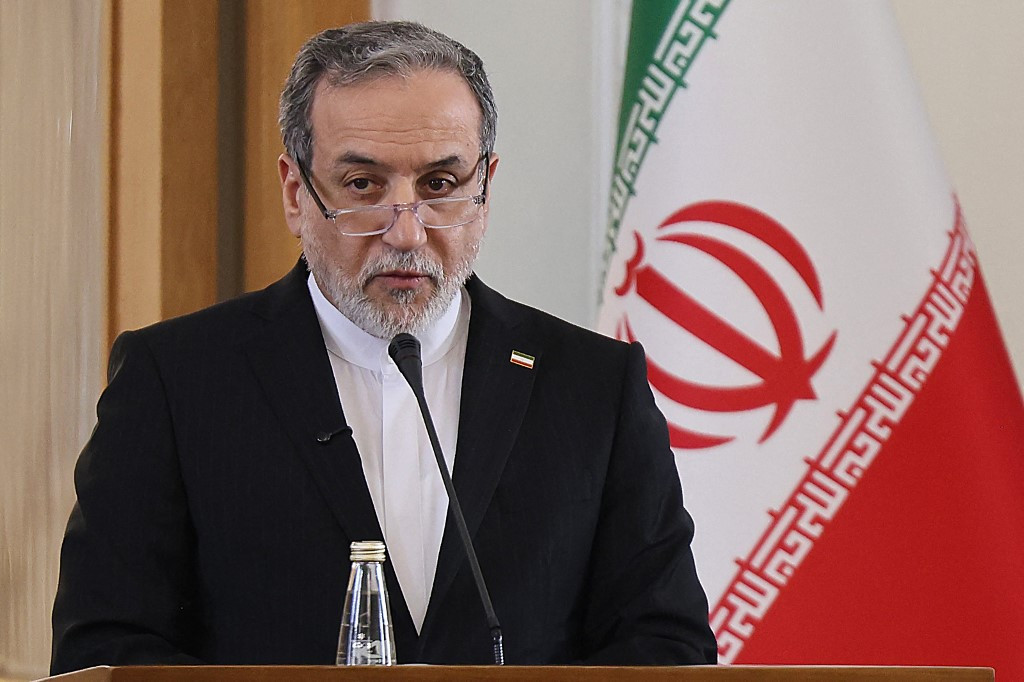
- Iran's foreign minister announced the Strait of Hormuz would be 'completely open' for commercial transit during the ceasefire, sending Brent crude down 9.07% to $90.38 per barrel — its lowest level since March 10.
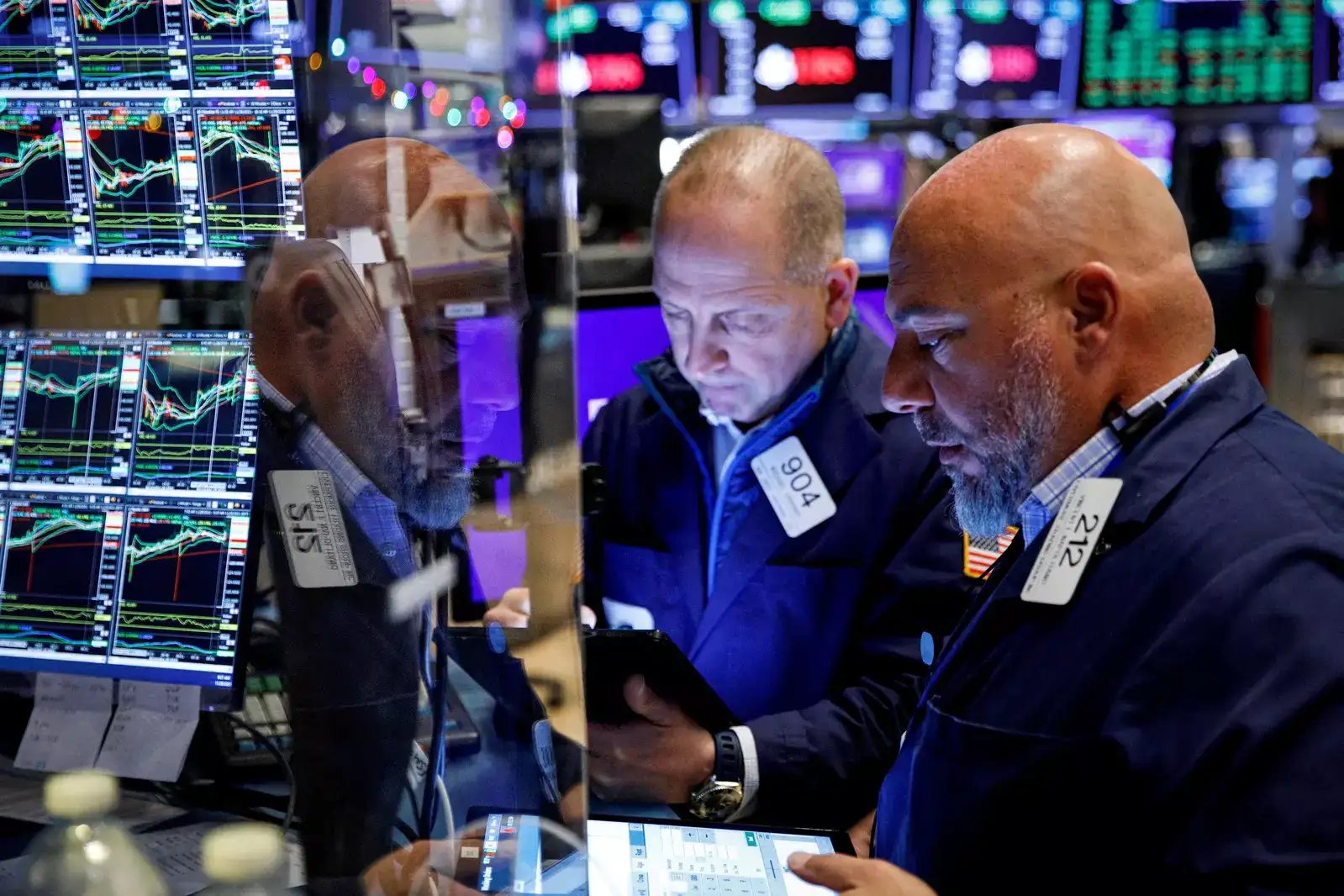
- The Dow soared 869 points (1.79%) to recoup all losses since the war with Iran began, while the S&P 500 notched its third straight record high and closed above 7,100 for the first time ever.
- The Nasdaq Composite is on its longest winning streak since 1992, and the S&P 500 has rallied more than 12% from its March 30 nadir, recovering war-related losses and then some.
- Trump announced a 10-day Israel-Lebanon ceasefire on Thursday but said the US naval blockade will remain in place, leaving uncertainty about the duration of the de-escalation.
- About 10% of S&P 500 companies have reported earnings, with 88% beating EPS expectations, while renewed confidence in AI-driven computing demand and a tech rebound added fuel to the rally.
- Strategists flagged risks beneath the euphoria: Interactive Brokers' Steve Sosnick called it a 'feeding frenzy' driven by FOMO, and Man Group's Kristina Hooper warned of a 'chasm widening between Main Street and Wall Street' as gas prices remain above pre-war levels.
- The rally has also been amplified by technical 'forced buying' from volatility-targeting algorithms and Wall Street's conditioned 'TACO' reflex to buy dips whenever Trump-risky decisions rattle markets.
Why it matters: The S&P 500 has now fully recovered its Iran-war losses and pushed into record territory, but strategists warn the market is pricing in a clean de-escalation while the ceasefire is only 10 days, the US naval blockade holds, and production capacity has been physically destroyed — risks that could hit consumers still paying elevated gas prices while Wall Street celebrates.
Ask SkimNews