FCC Bans Foreign Humanoid Robots Over Cyber Risks — SkimNews
Get the Geopolitics newsletter
Daily geopolitics — wars, elections, sanctions, the diplomatic moves that move markets. Free.
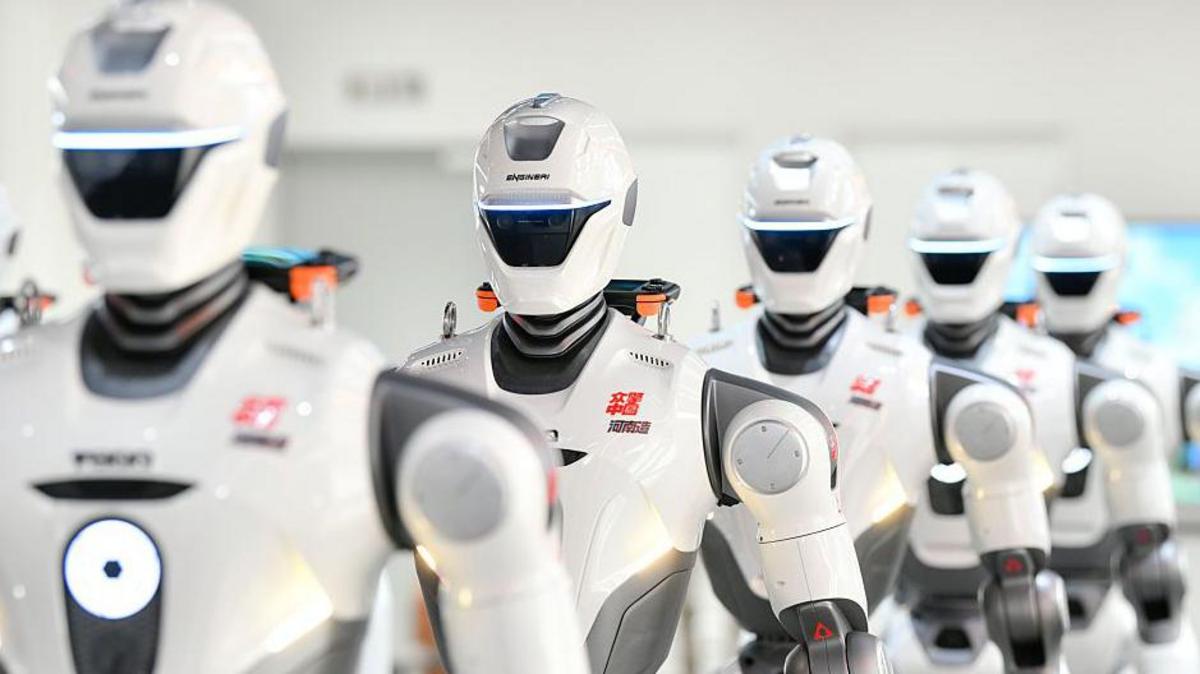
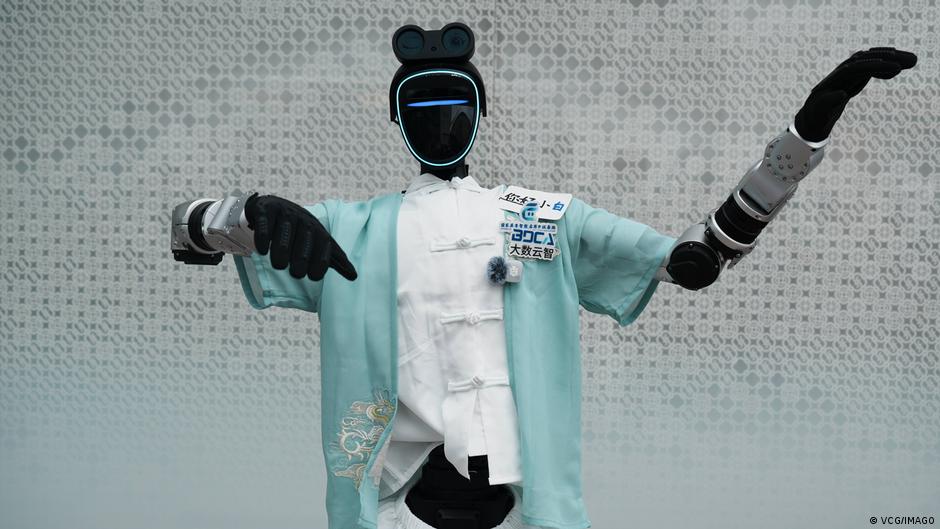
- FCC announced a ban on importing foreign-made humanoid and quadruped robots, citing national and cybersecurity risks to critical infrastructure based on findings from a White House task force review.
- Barclays analysts estimated Chinese-made humanoid robots account for around 85% of global market share, with Morgan Stanley projecting China's humanoid robot market could reach $15 billion (€13.2 billion) by 2030.
- Unitree and AGIBOT, two of China's biggest advanced robotics companies, each shipped more than 5,000 humanoid robots in 2025, while US firms like Figure AI deploy robots on production lines and Tesla plans production of its Optimus robot this year.
- FCC Chairman Brendan Carr said the ban aimed at "secur[ing] America's critical supply chains," though Morningstar analyst Kangyuxiao Li said the measures would not "materially slow China's overall humanoid development" given its domestic manufacturing base.
- The FCC defines the restricted robots as devices over 2 kg using sensors, network connectivity, and software for autonomous navigation; stationary industrial robots are exempt, though the definition could also cover advanced robot vacuums.
- The agency also added foreign-made power inverters to its restricted list over similar cybersecurity concerns, noting Chinese manufacturers dominate the global solar inverter market; the Pentagon recently placed Unitree on its list of companies it claims have Chinese military ties, which Beijing "firmly opposes."
Why it matters: With Chinese firms shipping over 10,000 humanoid robots combined in 2025 and controlling ~85% of the global market, the FCC ban cuts US buyers off from the current dominant supply chain while shielding domestic efforts like Tesla's Optimus and Figure AI from price competition. Coming weeks before the September Trump-Xi summit and on top of existing drone and pending AI model restrictions, the move adds robots and inverters to a fast-growing stack of US-China tech flashpoints.
Ask SkimNews