Iran’s Council Holds Power After Leader’s Death — SkimNews
Get the Geopolitics newsletter
Daily geopolitics — wars, elections, sanctions, the diplomatic moves that move markets. Free.
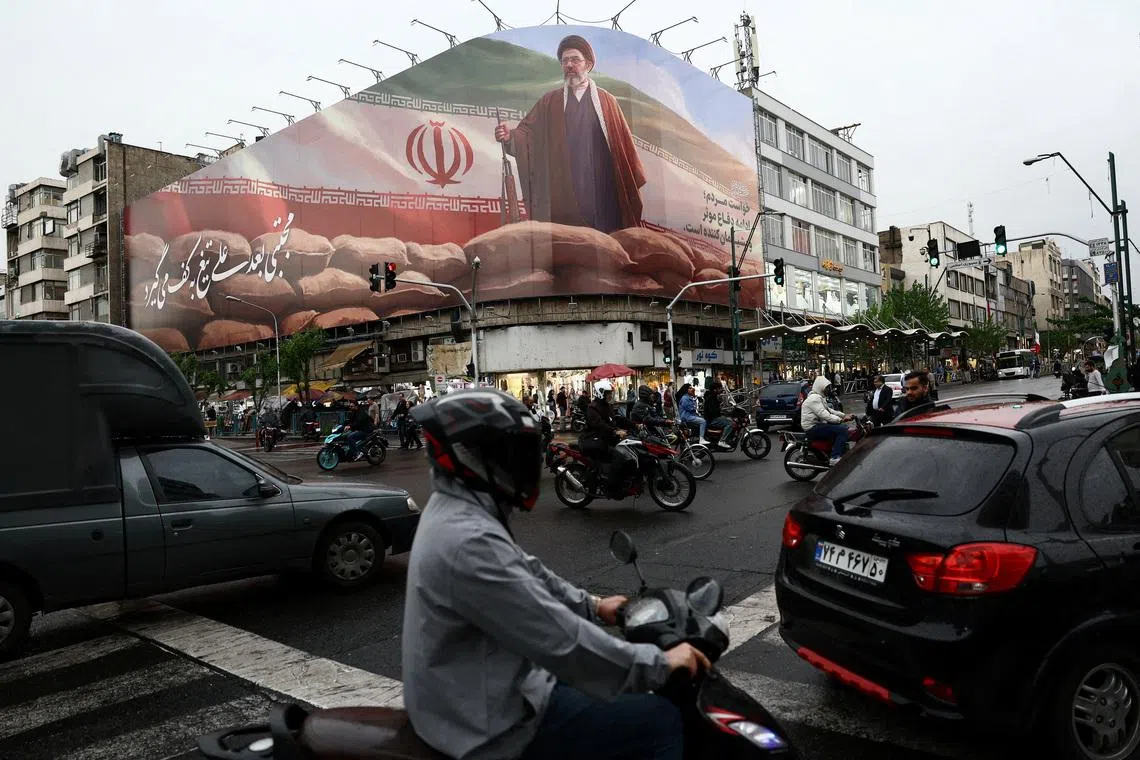
- Ayatollah Ali Khamenei was killed by US‑Israeli strikes on the first day of the war, eliminating Iran’s supreme leader.
- Mojtaba Khamenei succeeded his father as supreme leader but remains hidden and his authority is unclear after reports he was wounded.
- Supreme National Security Council has become the de‑facto decision‑making body, with Mohammad Bagher Qalibaf as its public face and chief U.S. negotiator.
- Saeed Jalili serves as the supreme leader’s representative on the council, while hard‑liners Ahmad Vahidi and Mohammad Bagher Zolghadr hold key Guard posts.
- Mohammad Bagher Qalibaf said Iran wants a comprehensive peace accord that ends U.S. attacks, while the United States is demanding concessions to prevent Iran’s nuclear weapons development.
- Abbas Araghchi announced opening the Strait of Hormuz to commercial traffic under a ceasefire, but the military later re‑closed it in retaliation for a U.S. blockade, which President Donald Trump said would continue.
Why it matters: Iran’s ability to maintain a unified front despite the loss of its supreme leader gives it leverage in talks, while internal factional disputes over concessions and the Strait of Hormuz could undermine a cohesive negotiating position, affecting both Tehran’s survival and U.S. non‑proliferation goals.
Ask SkimNews