Climate Change Made West Africa Floods 5x More Likely — SkimNews

Get the Energy newsletter
Daily energy & climate — solar, EVs, oil, the policy fights and tech bets shaping the transition. Free.
- World Weather Attribution team concluded that climate change made the June deluge in West Africa five times more likely and increased rainfall intensity by 23% since record-keeping began
- Friederike Otto stated the climate is changing faster than most nations can adapt, emphasizing that reducing emissions is critical to slowing worsening extremes
- Joyce Kimutai led the study showing climate models, despite underestimating tropical rainfall, confirm human-caused warming worsened the floods with devastating impacts
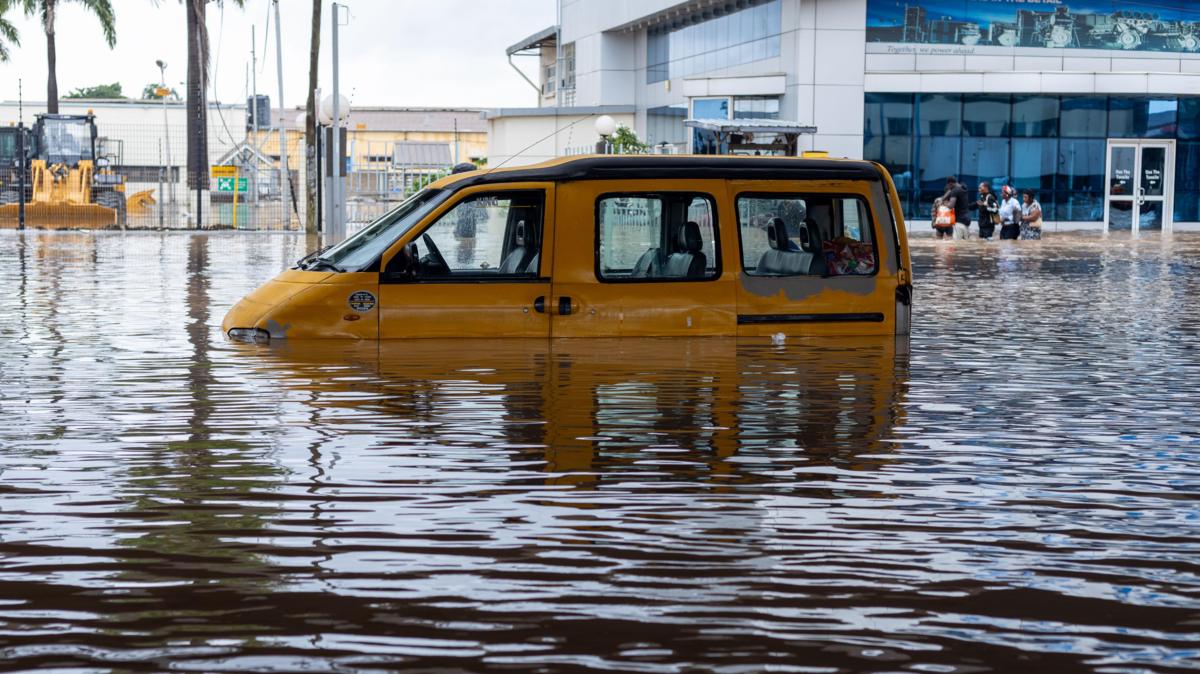
- Coastal regions of Côte d’Ivoire, Ghana, Togo and Nigeria experienced over 140mm of rain in less than 24 hours in late June, overwhelming infrastructure and triggering flash floods
- At least 98 people died across the affected countries — 59 in Côte d’Ivoire since May, 34 in Ghana, and five in Togo — with thousands displaced and markets, roads, and neighborhoods inundated
- Global heating of 1.4°C above pre-industrial levels has increased the frequency of such extreme rainfall events on the Gulf of Guinea coast to once every two to four years
Why it matters: West African nations now face climate-driven disasters more frequently and intensely despite contributing minimally to global emissions, making adaptation efforts urgent and underscoring the material need for climate finance and emissions accountability from industrialized nations.
Ask SkimNews