El Niño to Amplify Heatwaves, Droughts, Floods This Year — SkimNews

SkimNews Take
While El Niño is a natural climate pattern, its increasing destructive impact reveals how human development has amplified the vulnerability of infrastructure and populations to predictable climatic shifts.
Get the Energy newsletter
Daily energy & climate — solar, EVs, oil, the policy fights and tech bets shaping the transition. Free.
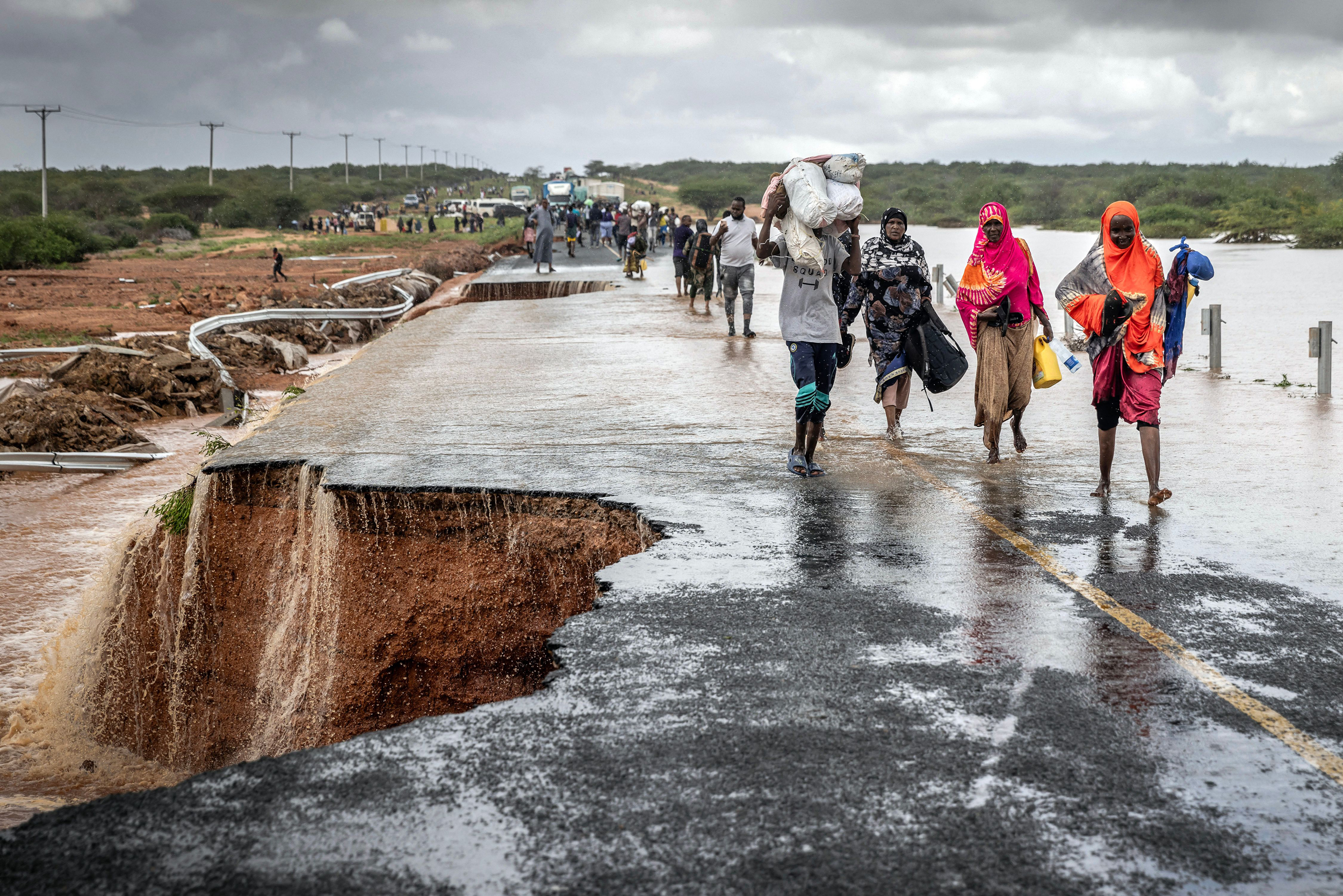
- Scientists said this week that a developing El Niño is likely to amplify heatwaves, droughts and floods this year
- Despite the expected impacts, El Niño is not the biggest culprit of climate extremes, the report notes
- Consequences of a moderate or strong El Niño today are more damaging than those of similar events a few decades ago, driven by long-term warming from burning fossil fuels
- Bob Berwyn, an Austria-based ICN reporter covering climate science and international climate policy, hosts the video explainer on what El Niño is and how it shifts global weather
- The episode examines whether the world is entering a period when record-breaking weather becomes the new normal
- The episode also explores whether the impacts of this year's El Niño could be permanent
Why it matters: The source pushes back on the 'El Niño is the culprit' framing, noting that long-term warming from fossil fuels is what makes today's El Niño events more damaging than similar ones decades ago. That distinction shifts focus from natural weather preparedness to the ongoing emissions driving baseline warming.
Ask SkimNews