Fossil Fuel Warming Supercharges El Niño Events, Study Finds — SkimNews

Get the Energy newsletter
Daily energy & climate — solar, EVs, oil, the policy fights and tech bets shaping the transition. Free.
- Julia Cole and her University of Michigan team published a study in Science analyzing Galápagos coral fossils dating back 1,000 years, finding El Niño variability is now around 37% higher than during preindustrial times
- The research identified a sharp shift after the 1982 El Niño, with events in the past 40 years showing unprecedented intensity compared to the prior millennium
- Record global temperatures fell in 1998, 2016, and 2024 during strong El Niño events, as "super" El Niños became more common amid rising overall global temperatures
- The currently developing "Godzilla" El Niño — expected to be the strongest in living memory — could push approximately 50 million people worldwide into acute hunger before the end of next year, per a recent forecast cited
- Samantha Stevenson-Karl of UC Santa Barbara said the findings indicate climate change may already be amplifying El Niño events, with such extreme events potentially becoming more common in the future
- El Niño typically reduces India's monsoon season while bringing drier conditions to Indonesia and Australia and heavier rainfall to parts of South America and the southern US
- Andrew Dessler of Texas A&M called the paper an "important validation" of model predictions, underscoring the urgent need to transition away from fossil fuels
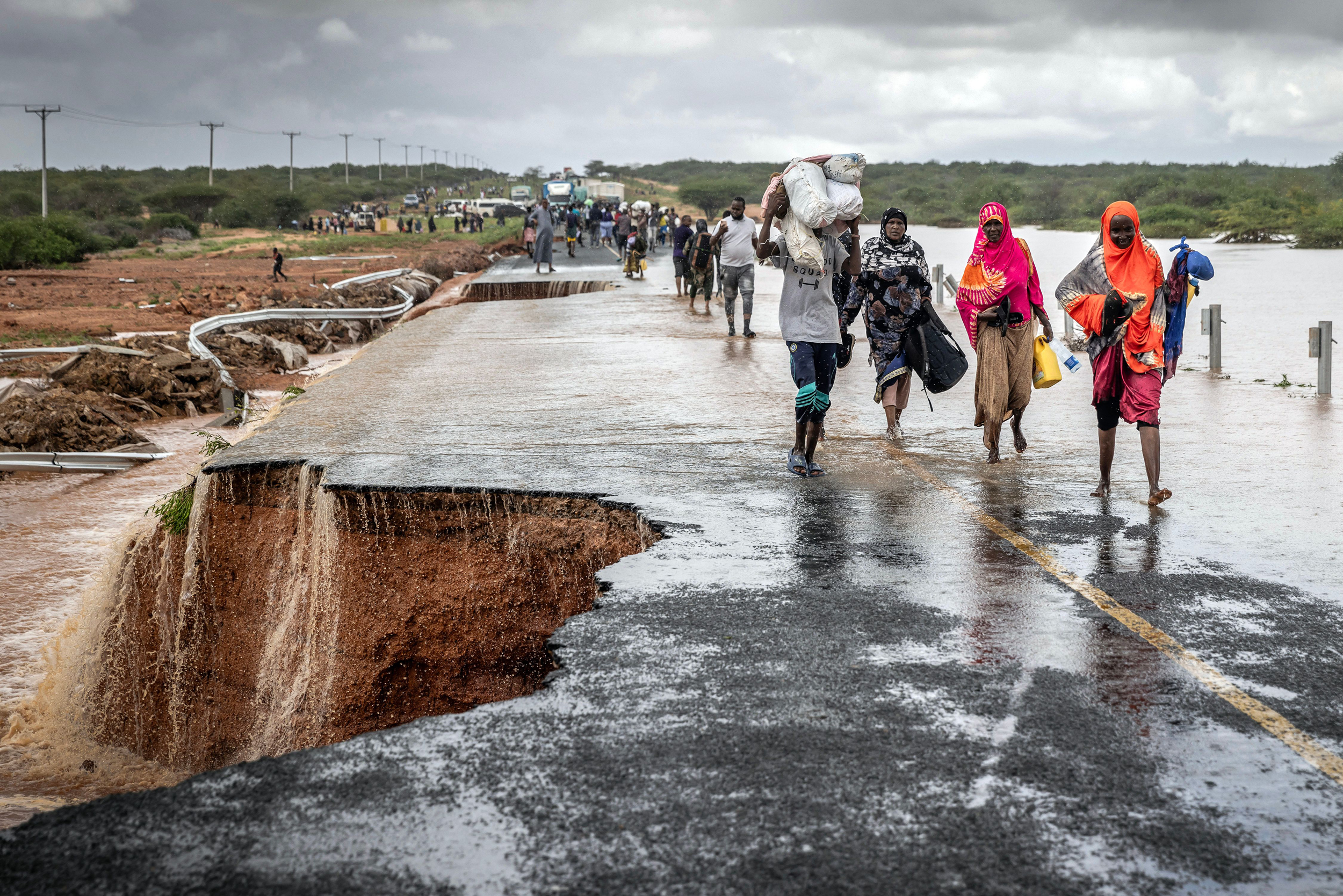
Why it matters: For vulnerable nations already battered by climate-driven heatwaves, droughts, and floods, this research confirms the damage from the brewing "Godzilla" El Niño carries a fossil fuel fingerprint. With India stockpiling food and roughly 50 million people facing acute hunger, the findings sharpen the case that adaptation alone cannot offset intensifying hazards driven by carbon emissions.
Ask SkimNews