Oil Hits $100, Alphabet FCF Flips Negative, Nasdaq Drops 2.6% — SkimNews

Get the Finance newsletter
Daily finance — markets, central banks, M&A, the prints that move money. Free.
- Alphabet posted negative $5.9 billion in Q2 free cash flow versus nearly +$25 billion a year ago, while raising 2025 capex guidance to $195–205 billion; shares fell more than 3% after hours.link ›
- Tesla swung to negative $1.1 billion in Q2 free cash flow on $5.79 billion in capex (up 142% YoY); Musk said Tesla should "spend on capex as fast as we can spend" on Optimus, robotaxis, and a Texas AI chip plant.link ›
- Nasdaq tumbled 2.6% on July 23 — the Dow dropped 542 points (-1.04%) — as Alphabet's results and Tesla's capex collided with $100 oil and a bond rout.link ›
- 10-year Treasury yield rose above 4.7% (last seen at 4.699%), its highest since January 15, 2025, while the 30-year hit 5.167% and Fed funds futures priced an 80%+ probability of a September hike, up from 52% a week earlier.link ›
- Brent crude jumped 7% to $100.69 after Iran-backed Houthi attacks on tankers off Saudi Arabia's Red Sea coast and renewed US threats against Iran.link ›
- American Airlines cut 2026 adjusted EPS guidance to a 65-cent loss to 65-cent profit from a 40-cent loss to $1.10 profit, with Q3 guidance implying a 70-cent to 10-cent loss versus 28-cent profit expected.link ›
- ECB held rates at 2.25% but Christine Lagarde warned that Middle East-driven energy poses upside risk to inflation, which she said will remain "well above target" until H1 2027; traders now price a September hike.link ›
- SEC scheduled a September 17 roundtable on 24-hour US equity trading; Chair Paul Atkins said the agency is "moving towards a new day — and night" as Nasdaq targets H2 2026 and the LSE eyes early 2027.link ›
Oil crossed $100 on July 23 after Houthi attacks on Red Sea tankers — and the rest of the market broke with it. Alphabet posted negative $5.9 billion in free cash flow while raising 2025 capex to $195–205 billion; Tesla flipped to negative $1.1 billion on Elon Musk's Optimus-robotaxi-chip splurge. The Nasdaq fell 2.6% in a single session, the 10-year hit 4.7% — its highest since January 2025 — and Fed funds futures repriced a September rate hike from 52% to over 80% in a week. American Airlines widened its 2026 loss range on jet fuel, and ECB's Christine Lagarde said eurozone inflation stays 'well above target' through 2027. The soft-landing trade built on Q2 is being torn up on the same news cycle.
The stories behind this week
Nasdaq Drops 2.6% as $100 Oil and Big Tech Capex Rattle MarketsA single session delivered a three-way hit across asset classes: the Nasdaq lost 2.6%, the 10-year hit a 1.5-year yield high, and Brent crossed $100. For investors holding Big Tech, the simultaneous repricing of AI ROI skepticism (Alphabet, Tesla capex), inflation risk (oil, bonds), and rate-cut timing (Fed) means positioning built for a soft-landing narrative is being repriced on the same day.

10-Year Yield Tops 4.7% as $100 Oil Stokes Inflation FearsThe odds of a Fed rate hike at the September meeting jumped from 52% to over 80% in a single week per CME FedWatch, reflecting surging inflation concerns. With oil above $100 and the 30-year Treasury at 5.167%, borrowing costs on mortgages, auto loans, and credit cards are all resetting higher for consumers.

UK Parliament Probes Banking Barriers for Crypto FirmsThe inquiry exposes a timing contradiction at the heart of UK crypto policy: the FCA starts licensing crypto firms on Sept. 30 while a UKCBC survey shows banks are already blocking 40% of crypto-related transactions, with one exchange alone logging £1 billion in declined transfers in a year. If licensed firms cannot access banking, the UK's 'crypto hub' branding loses its most basic operational meaning and investment continues migrating abroad.

ECB Holds at 2.25%, Traders Bet on September HikeLagarde explicitly tied the ECB's policy path to Middle East-driven energy prices rather than domestic data — meaning eurozone borrowing costs are now hostage to geopolitical events outside Frankfurt's control — and even with inflation already falling from 3.2% to 2.8%, the bank is signaling further tightening rather than patience.

American Airlines slashes 2026 earnings outlook on fuelAmerican is the largest U.S. airline by passengers flying, so a wider 2026 loss range signals that even double-digit PRASM gains (+10% in Q2) and 16-19% revenue growth aren't enough to neutralize fuel volatility — a cautionary signal for the rest of a sector mid-earnings-season, and a reminder that Isom's margin-gap catch-up plan to Delta and United remains undefined on timing.

Alphabet, Tesla Burn Cash on AI as Wall Street SoursAlphabet's negative $5.9 billion free cash flow and Tesla's $1.1 billion deficit mark a sharp reversal from a year ago, and the 3-4% after-market drops show investors are no longer willing to underwrite blank-check AI capex without clearer returns. Bullish analysts like Mizuho and Valoir argue the spending is already paying off—Google Cloud revenue jumped 82%—but the broader selloff puts pressure on Meta, Microsoft, Amazon, and Apple to justify their own AI buildouts next week.
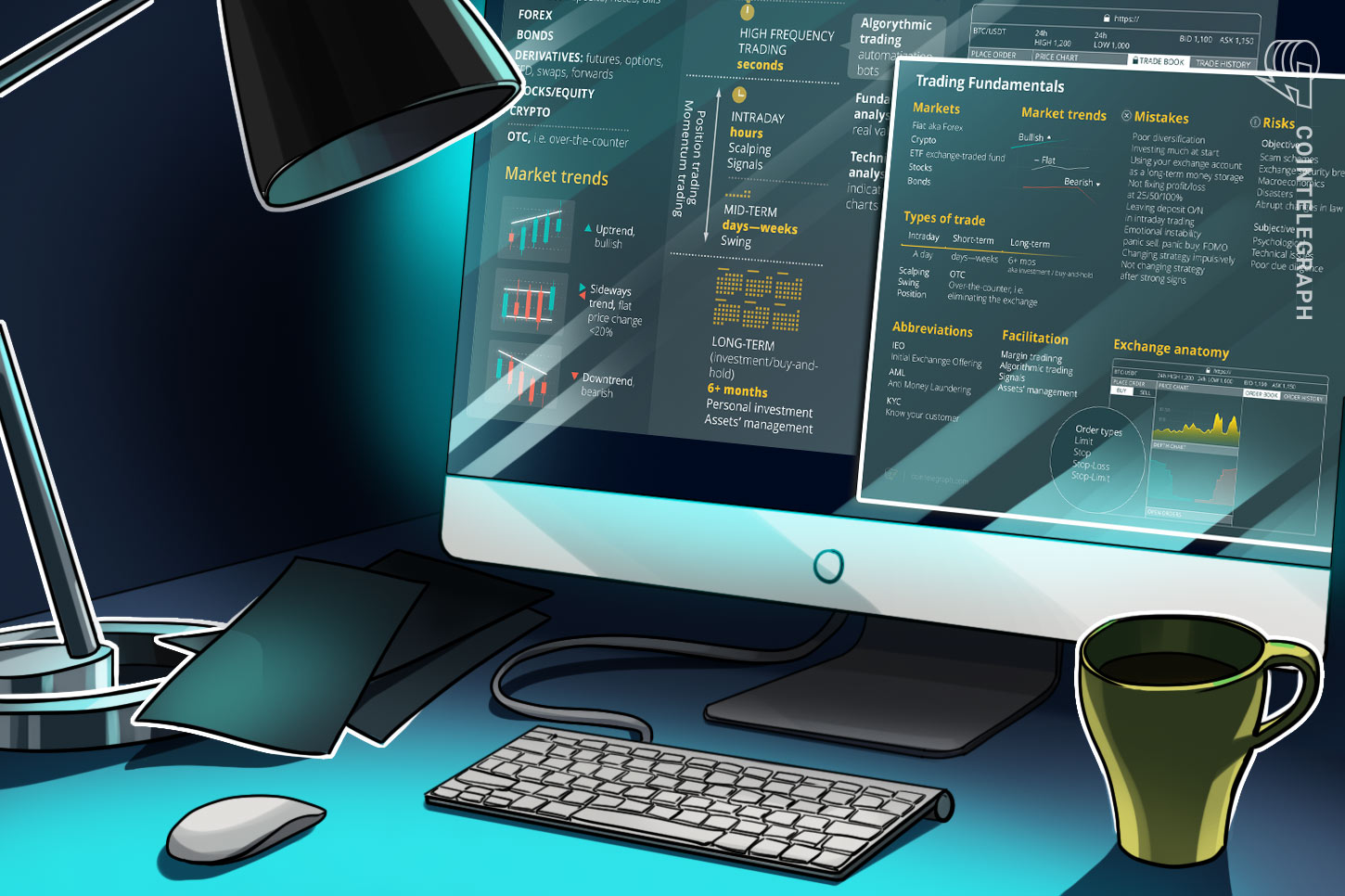
SEC sets September talks on move toward 24-hour stock tradingAtkins's pre-roundtable language — 'moving towards' rather than 'considering' — signals the SEC's direction is largely set before the September 17 discussion, meaning the meeting is more about implementation (resiliency, overnight operations) than whether 24-hour trading happens. Nasdaq's H2 2026 target and the London Stock Exchange's planned 2027 night venue put concrete deadlines on a structural shift that lets retail traders react to overnight news the way crypto markets already do.

IBM CEO Pins Transformation Struggles on CultureKrishna is reframing IBM's transformation challenge as cultural rather than strategic, which lets him defend his vision while putting execution on the hook. The board's stated willingness to hold leadership accountable signals that structural changes and quantum bets now have to translate into measurable delivery.
Why it matters: Positioning built on Q2's soft-landing-and-AI-productivity narrative got repriced in a single session, with Fed rate-cut bets effectively replaced by hike bets — meaning the cost of capital is now hostage to Middle East tanker traffic as much as to corporate earnings.
Ask SkimNews