Peta Releases Monkey Experiment Footage from UW Lab — SkimNews
Get the Health newsletter
Daily health & science — research, biotech, public health, the studies worth knowing. Free.
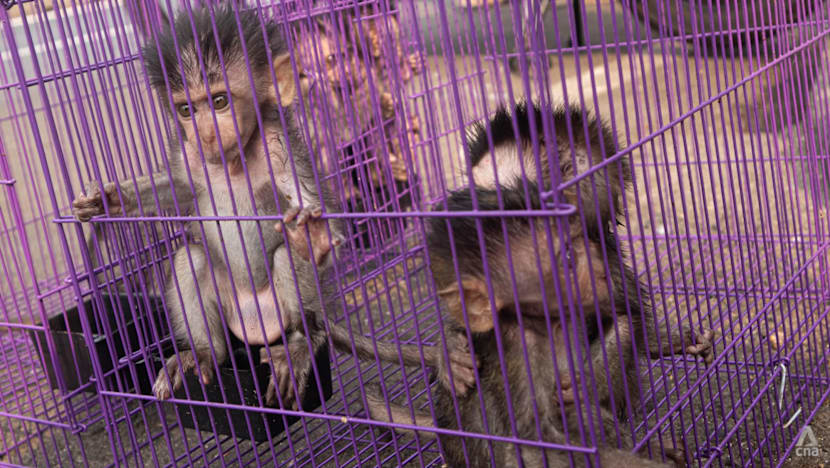
- Peta released video footage from 2017–2019 showing infant macaques at the University of Washington’s Infant Primate Research Laboratory subjected to neurological tests after prenatal exposure to domoic acid, with some as young as two days old separated from their mothers.
- University of Washington’s WaNPRC conducted a six-year domoic acid study from 2014 to 2020 funded by over $4.2 million from the NIH, involving 32 pregnant macaques and 28 infants removed at birth for testing on brain development.
- Dr Lisa Jones-Engel, Peta’s chief science adviser and former University of Washington primate researcher, condemned the maternal separation as biologically and ethically damaging, arguing it distorts research outcomes and violates primate welfare.
- WaNPRC stated maternal relationships are important in primate welfare and that specialized staff provide nursery care, but acknowledged infant monkeys were separated and individually housed starting at three weeks old.
- NIH confirmed it funds primate research under strict animal welfare policies, though Peta’s footage reveals no clear public health changes resulted from the domoic acid studies despite years of experimentation.
- University of Washington continues to breed and use infant monkeys in other studies, including SIV and Epstein-Barr virus research, even after ending the domoic acid project in 2020.
Why it matters: Over 106,000 monkeys were held in U.S. labs in 2025, with more than 32,000 imported for research, while federal agencies push alternatives—yet primate studies persist despite ethical concerns and limited human medical breakthroughs, raising scrutiny over taxpayer-funded animal testing.
Ask SkimNews