Peta Releases Video of UW Monkey Experiments — SkimNews
Get the Health newsletter
Daily health & science — research, biotech, public health, the studies worth knowing. Free.
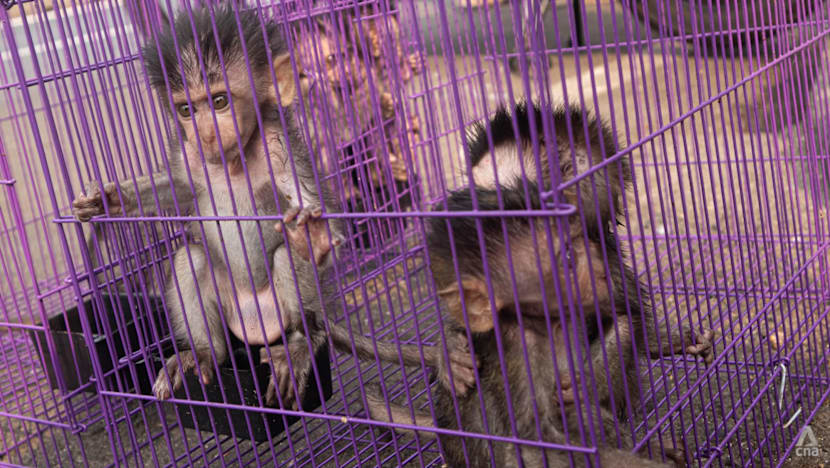
- Peta released video footage from 2017–2019 showing infant macaques separated from mothers at the University of Washington’s Infant Primate Research Laboratory, subjected to neurological testing after prenatal exposure to domoic acid.
- University of Washington’s National Primate Research Center (WaNPRC) conducted a six-year study funded by over $4.2 million from the NIH, administering domoic acid to 32 pregnant macaques and isolating 28 infants for testing on developmental neurotoxicity.
- Dr Lisa Jones-Engel, Peta’s chief science adviser and former University of Washington primate researcher, condemned the maternal separation as scientifically and ethically flawed, stating it distorts neurodevelopmental data and violates primate welfare.
- National Institutes of Health (NIH) states it prioritizes animal welfare and uses the minimum number of animals necessary, while continuing to fund primate research and invest in human-based alternatives like organ-on-a-chip technology.
- WaNPRC confirmed no current infant studies are active but maintains approved protocols for future nursery-reared research, including recent use of infant macaques in SIV and Epstein-Barr virus studies involving maternal separation and lethal endpoints.
Why it matters: Over 106,000 monkeys were held in U.S. labs in 2025, with more than 32,000 imported for research from 2025 to 2026, even as federal agencies shift toward non-animal methods. The footage exposes a disconnect between public claims of refinement and ongoing practices that critics say compromise both ethics and science, particularly in studies relying on maternal separation.
Ask SkimNews