1,200 Students Earn Colorado's Climate Seal as States Adopt It — SkimNews

Get the Energy newsletter
Daily energy & climate — solar, EVs, oil, the policy fights and tech bets shaping the transition. Free.
- Colorado's climate literacy seal, approved by lawmakers in 2024, has been adopted by 26 of the state's 179 school districts, with an estimated 1,200 students earning the diploma endorsement so far, according to Lyra Colorado CEO Mary Seawell.
- Students must complete two advanced courses — one science (environmental studies, biology, or earth science) plus one in any discipline — and an approved community project addressing local climate issues such as beaver dams, snow science, forestry, and invasive species.
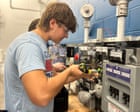
- Anthony Muñoz, now a sophomore at the Colorado School of Mines, built an "ozone garden" at Vista Academy charter school near Denver with native plants to detect ground-level ozone pollution, partnering with the National Center for Atmospheric Research and co-writing a $1 million grant proposal to the city for the gardens.
- Maine adopted its own climate seal earlier this year; California signed a bill into law to establish one; and student coalitions in Hawaii and Minnesota are pushing similar policies, with Maine's pilot attracting 57 senior applicants — far exceeding the dozen expected.
- State lawmakers provided less than $20,000 for the seal's rollout, forcing Lyra Colorado to create its own grant program for teacher time and student projects, while proponents are aligning the seal with green workforce certifications at institutions like Colorado Mountain College.
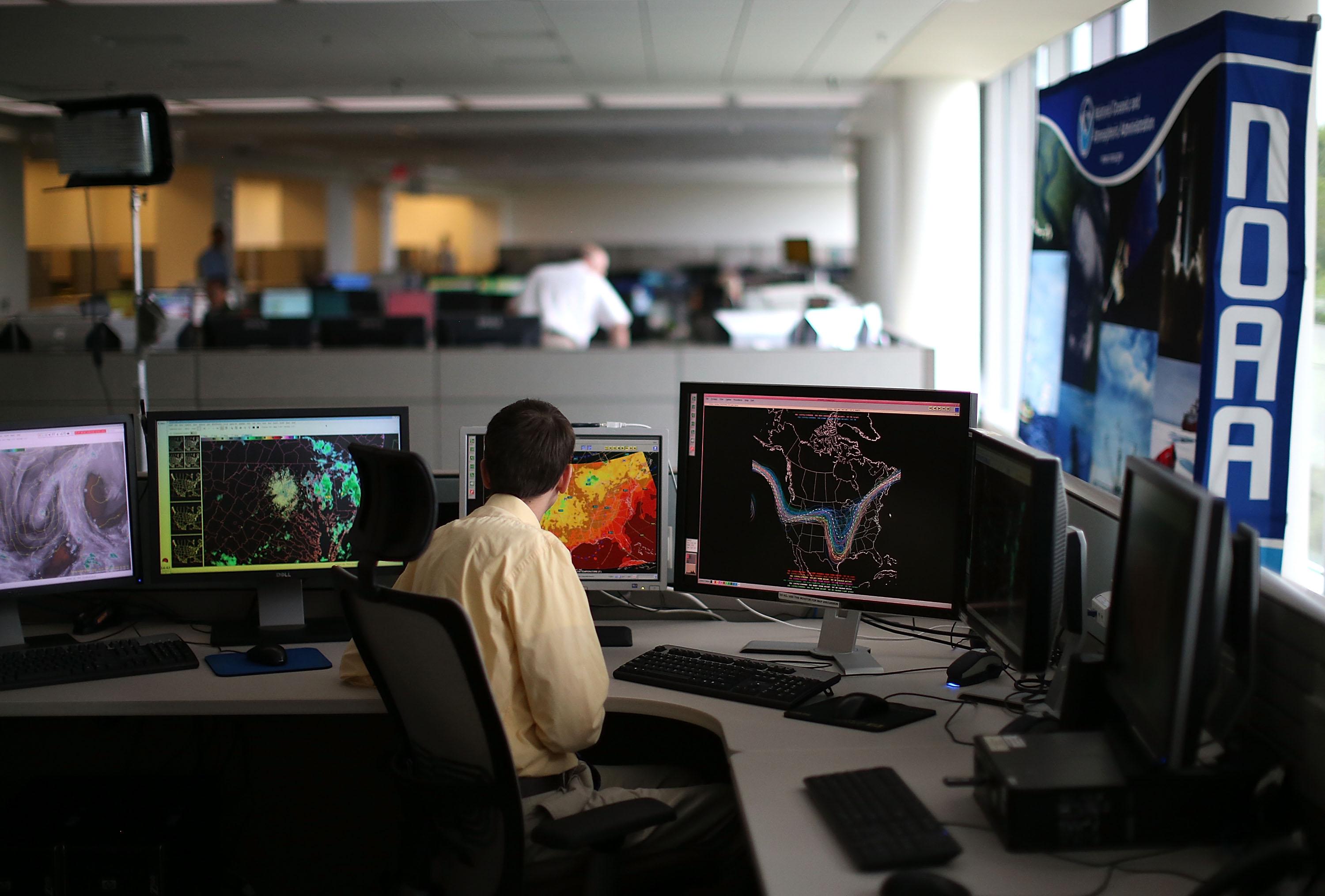
- Donald Trump has called climate change a "hoax," the administration has tried to dismantle NCAR and cut its funding, and the Treasury and congressional Republicans have targeted the tax-exempt status of climate-focused nonprofits, creating what Seawell called a "chilling effect" among potential donors.
Why it matters: With 1,200 students already certified and four states moving to replicate the program, Colorado's grassroots climate seal is building a state-level counterweight to federal climate-science hostility — but its $20,000 launch budget and reliance on self-funded student projects leave expansion vulnerable to the nonprofit-tax crackdown Seawell says is already spooking funders.
Ask SkimNews