Trump Allies Defend Him to Israelis Anxious Over Iran — SkimNews

Get the Geopolitics newsletter
Daily geopolitics — wars, elections, sanctions, the diplomatic moves that move markets. Free.
- Mike Huckabee, the U.S. ambassador to Israel, acknowledged "an enormous level of anxiety about the relationship" at the JNS International Policy Summit on June 21, 2026, while insisting the two countries share an "unbreakable bond."
- Mark Levin, a longtime Trump supporter who broke with the president over the Iran deal, told the summit audience he disliked the agreement but praised Trump for supporting "liberty, religious freedom, Christianity and Judaism."
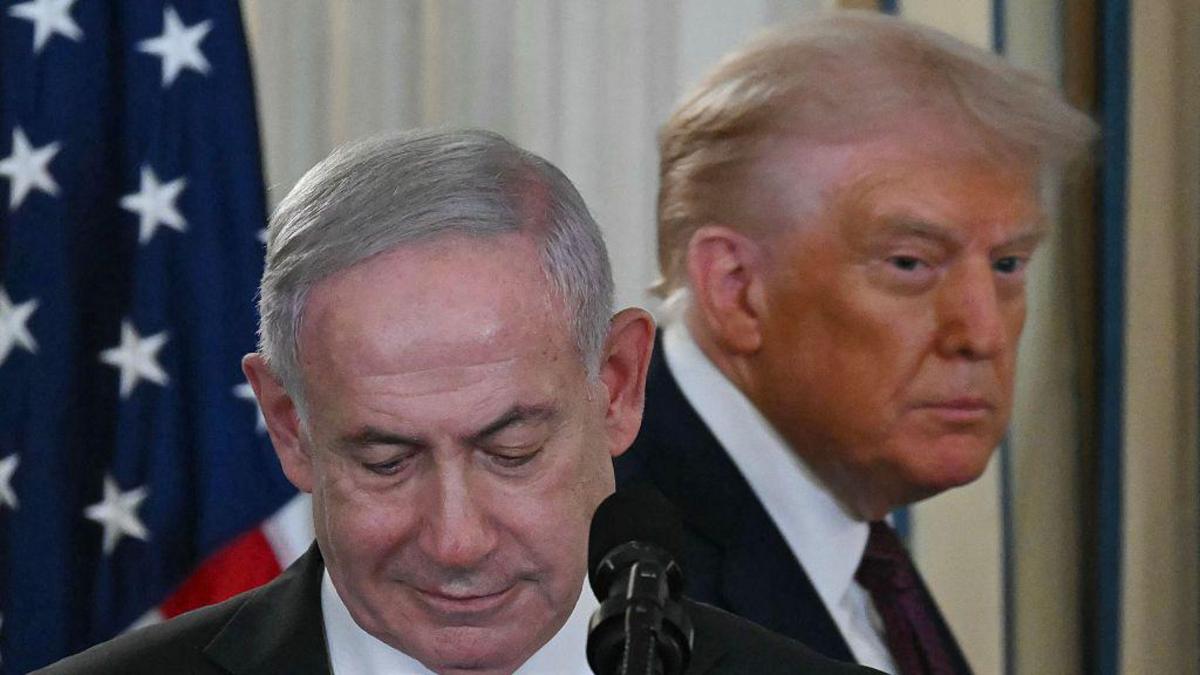
- Trump has called Netanyahu "fucking crazy," lectured Israel that "you don't have to knock an apartment down every time you're looking for somebody," and publicly pondered asking Syria to replace Israeli troops in Lebanon as he demands a Hezbollah ceasefire.
- JD Vance said Trump is "the only head of state in the entire world who is sympathetic to the nation of Israel at this moment," while adding that not all criticism of Israel should be dismissed as antisemitism — remarks that rattled Israelis coming from within the Republican Party.
- A Pew Research Center poll from late March showed 57% of Republicans aged 18-49 hold an unfavorable view of Israel, up from 50% a year earlier, even as older Republicans remain favorable.
- Two Israeli officials said Netanyahu believes the Trump-Vance comments may be aimed at U.S. midterm voters in November rather than signaling policy shifts like slower arms deliveries.
- Ohad Tal, chair of the U.S.-Israel caucus in the Knesset, said Israelis must prepare for the day they get "a less supportive U.S. President" and must "forge new alliances."
Why it matters: The anxiety is concrete and measurable: Trump publicly insulted Netanyahu, and a Pew poll shows a 7-point year-over-year jump in unfavorable Israel views among Republicans under 50 — enough for a Knesset caucus chair to publicly call for military independence. Netanyahu's aides, however, read the sharp rhetoric as November midterm posturing, not a genuine policy rupture.
Ask SkimNews