Brent Tops $97, Yen Jumps as Iran Threatens Gulf Retaliation — SkimNews

Get the Finance newsletter
Daily finance — markets, central banks, M&A, the prints that move money. Free.
- Iran threatened to retaliate against any new US attacks by targeting energy infrastructure across the Gulf, including US oil and gas interests, driving Brent crude up for a third consecutive day to $97.04 a barrel after hitting a six-week high on Monday.
- Brent crude futures edged up 0.04% to $97.04 a barrel as trading resumed in Asia, with Westpac analysts noting weekend tit-for-tat US-Iran strikes continue to pressure oil and drag broader risk sentiment.
- Yen surged as much as 0.6% to 153.51 against the dollar, its strongest level since February 18, as the US dollar index slid to a two-week low of 98.82 amid the geopolitical premium.
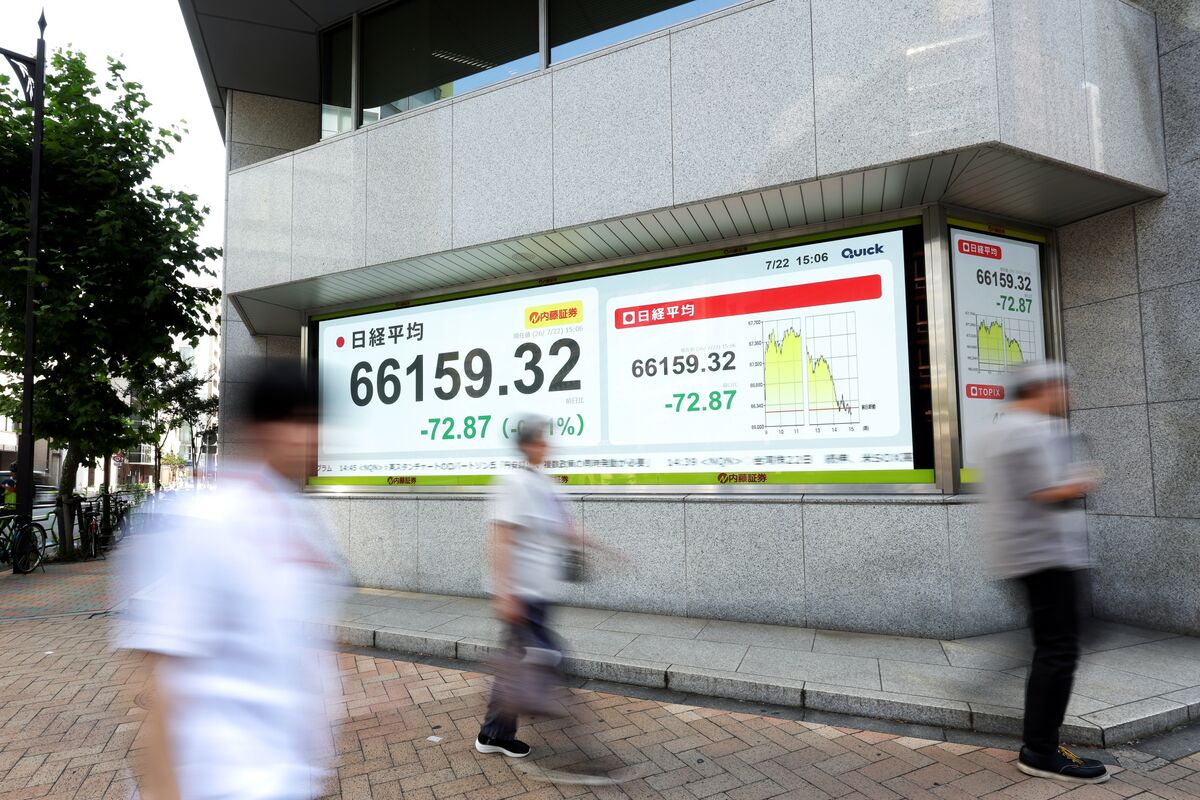
- Japan's Nikkei 225 edged up 0.2% after revised Q2 GDP showed 1.4% annualized growth, and July real wages rose 2.4% year-over-year — the biggest gain since May 2021 — strengthening the case for further Bank of Japan tightening.
- MSCI's Asia-Pacific index ex-Japan rose 0.2%, led by South Korea's KOSPI gaining 1.2%, while Australian shares slumped 0.6% after a sharp drop in September consumer sentiment.
- US 10-year Treasury yield rose 0.6 basis points to 4.788%, with CME FedWatch pricing a 60% probability of a 25-basis-point rate hike at the Fed's September 16 meeting — unchanged from a week earlier.
- Gold climbed 0.5% to $4,428.23 as a safe haven, while bitcoin held near $79,333 and ether at $2,498.94 amid the risk-off bid.
Why it matters: Iran's explicit threat to strike US oil and gas assets in the Gulf has lifted Brent to a six-week high above $97 and pushed gold up 0.5%, signaling traders are now pricing real risk of energy infrastructure disruption ahead of the Fed's September 16 meeting. With a 60% chance of a 25-bps hike already baked in and the yen surging on haven demand, the cross-currents between geopolitical premium and US monetary policy are tightening the squeeze on risk assets priced in weaker currencies.
Ask SkimNews