Trump claims Hormuz as US territory; Iran rejects — SkimNews
Get the Geopolitics newsletter
Daily geopolitics — wars, elections, sanctions, the diplomatic moves that move markets. Free.
- Trump said Friday he'd "be declaring the Hormuz Strait a territory of the United States" — a unilateral claim that has no standing against the Omani-Iranian joint jurisdiction.link ›
- Iran's military rejected Trump's "total control" claim as "lies and fabrications" on Wednesday, with Khatam-al Anbiya spokesperson Ebrahim Zolfaghari noting ships aren't passing "normally."link ›
- Houthis killed six in the Bab el-Mandeb on Tuesday, including three Pakistani nationals — the first shipping-attack fatalities of this cycle — as Saudi Arabia reroutes oil through the Red Sea while Hormuz stays shut.link ›
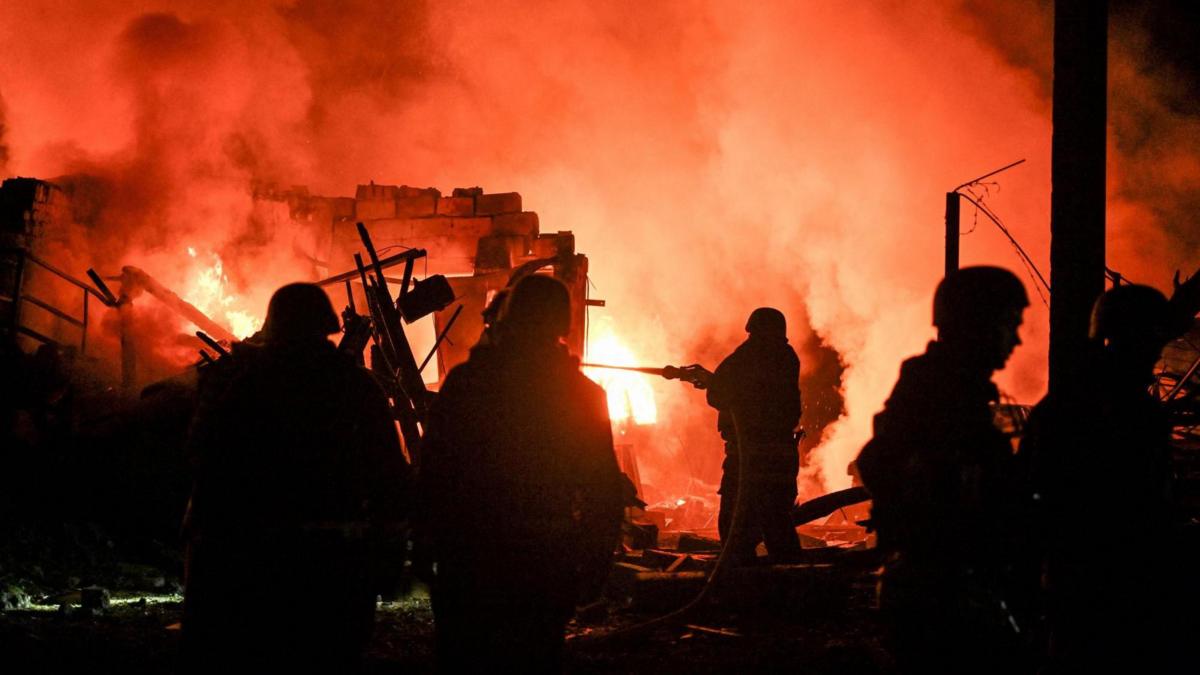
- Ukraine's Air Force declined to disclose interceptor numbers for the first time after 120 Russian drones and missiles hit overnight, while Zelensky said Russia fired North Korean ballistic missiles at Zaporizhzhia for the first time.link ›
- Ukraine struck the Nizhnekamsk petroleum hub in central Tatarstan on Monday, killing 13 and injuring 78 — one of the deadliest single strikes inside Russia in over four years of war.link ›
- Putin threatened retaliation for Western tanker seizures "in any area where we see it as necessary," explicitly naming the Pacific, after France and the UK detained shadow-fleet vessels.link ›
- White House report estimates $19B–$26B lost yearly to transshipment schemes funneling Chinese goods through 40+ countries; CBP launched an AI prototype that can retroactively tariff importers.link ›
- North Korea fired a 700+ km ballistic missile from Wonsan on August 12, its second test in a week and timed to the August 17 Ulchi Freedom Shield drills.link ›
Trump said Friday he'd declare the Strait of Hormuz a US territory. By Wednesday, Iran's military was calling his 'total control' boast 'lies and fabrications' — which is closer to the truth, because Tehran has run a transit-fee regime over the strait since February 28. The standoff is now the most visible face of a maritime chokepoint crisis reshaping global energy: with Hormuz effectively gated, Saudi crude has rerouted through the Red Sea, where Houthi attacks killed six on Tuesday — including three Pakistanis — the first shipping fatalities this cycle. Two governments now claim sovereignty over a strait jointly governed by Oman and Iran. The tankers know which side is actually running the water.
The stories behind this week
Zelensky: Russia Using North Korean Missiles to Strike UkraineRussia's reported reliance on North Korean ballistic missiles, paired with the 11,000 North Korean troops already in Kursk and Zelensky's warning of 50,000 more, shows Moscow drawing directly on Pyongyang's arsenal and manpower. Ukraine's refusal to disclose missile-interception figures, combined with an explicit Air Force plea to media about 'sensationalised headlines,' points to a worsening air-defense crisis that constrains how aggressively Kyiv can respond.

North Korea launches another missile towards sea ahead of U.S.-South Korean military drillsThe timing is deliberate and predictable: North Korea treats the Ulchi Freedom Shield drills as a trigger for weapons tests, and the source notes Kim "likely hopes to use his enlarged arsenals to wrest concessions" such as sanctions relief. His diplomatic footing has also shifted — he is now embedded in deeper alliances with Russia and China than during the 2019 collapse of Kim-Trump diplomacy, giving him more leverage and more backers.
White House: $19B–$26B Lost Yearly as Countries Dodge TariffsThe $19B–$26B annual revenue loss quantifies a structural loophole that undermines the centerpiece of Trump's trade policy. With the AI enforcement tool still a prototype and the report timed to a Xi visit, the administration is signaling it wants Beijing's cooperation on transshipment—or will use the data to justify stiffer penalties on trade partners like India and Malaysia.

Iran Calls Trump Hormuz Control Claims 'Lies'Iran's outright denial — backed by its operating transit-fee system since February 28 — exposes a credibility gap between the two sides' public postures. For shipping companies and oil markets, the practical reality is that Iran still gates access to one of the world's most critical energy chokepoints, regardless of which government's rhetoric you believe.
Putin threatens retaliation for Western seizures of Russian commercial vesselsPutin's threat widens the theater of potential confrontation beyond the Black Sea and Atlantic, explicitly naming the Pacific. With the navy now formally authorized to inspect and detain commercial ships of "unfriendly nations," any British, French, or European-flagged carrier could become a target, escalating a shadow-fleet dispute into a direct military standoff on global shipping lanes.

Trump Vows to Claim Hormuz Strait as US TerritoryThe Strait of Hormuz is jointly governed by Oman and Iran, so a unilateral U.S. territorial declaration has no standing in international maritime law and would directly antagonize both nations — a particularly provocative posture given that other coverage this week reported Iran targeting tankers in that same waterway.
Pakistan says 3 citizens killed in Houthi attack on ship, and other developments in the MideastThe Bab el-Mandeb deaths are the first fatalities from Houthi shipping attacks this cycle, and they hit a key Saudi oil detour now that the Strait of Hormuz is effectively closed by Iran — meaning disruptions to Red Sea shipping carry direct economic consequences for Gulf energy exports. Separately, Colombia's Golan recognition, backed by a Trump-aligned president, makes it only the second country ever to take that step and triggered an immediate Turkish rejection, deepening the diplomatic split over Israeli territorial claims.

Ukrainian Drone Strike Kills 13 in Russia's NizhnekamskThe single strike on a petroleum hub in central Tatarstan killed 13 and injured 78 — one of the deadliest attacks inside Russia in over four years of war. Hitting energy infrastructure in Russia's interior rather than a frontline region extends the conflict's reach deep beyond the war zone and signals that no Russian industrial center is off-limits.
Why it matters: If Iran and the US both claim operational sovereignty over the same strait, tanker war-risk premiums stay elevated and Gulf crude keeps flowing through the Houthi-patrolled Red Sea — meaning the new oil supply chain runs through two war zones, not one.
Ask SkimNews