China helped broker Mideast ceasefire, Trump says — SkimNews
Get the Geopolitics newsletter
Daily geopolitics — wars, elections, sanctions, the diplomatic moves that move markets. Free.
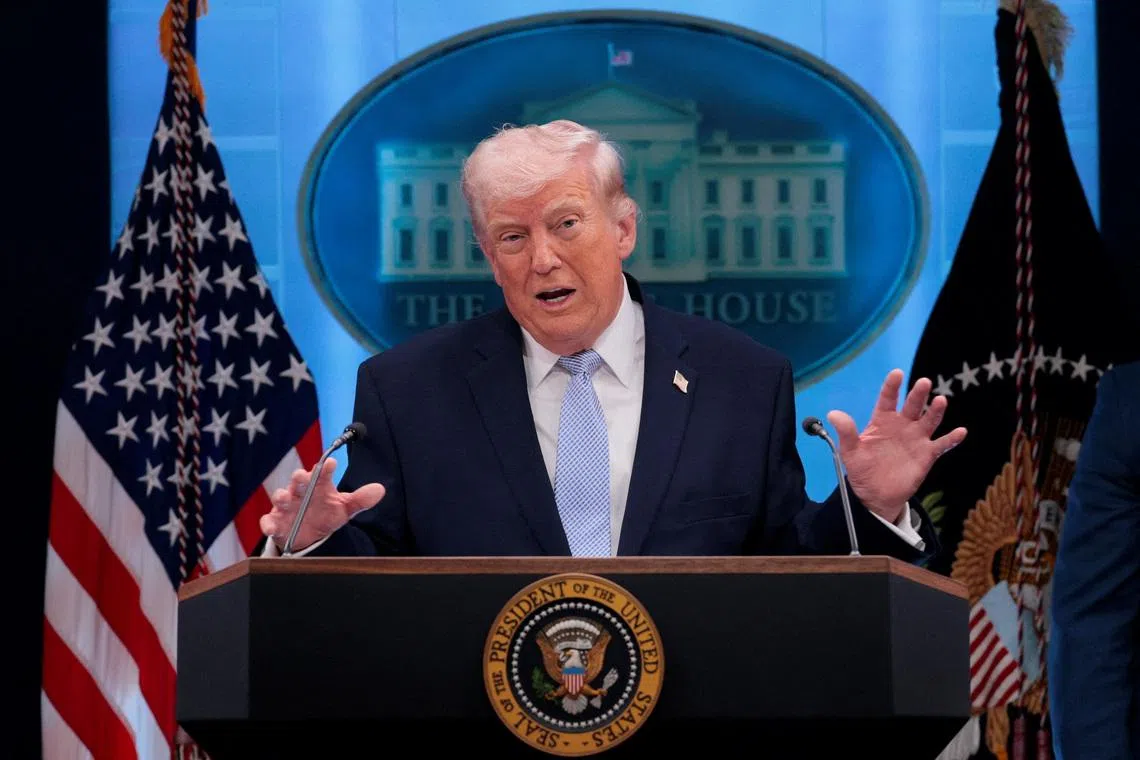
- Trump told AFP on April 7 he believed China got Iran to negotiate a ceasefire, with the US and Iran agreeing to a two-week truce in exchange for Tehran reopening the Strait of Hormuz.
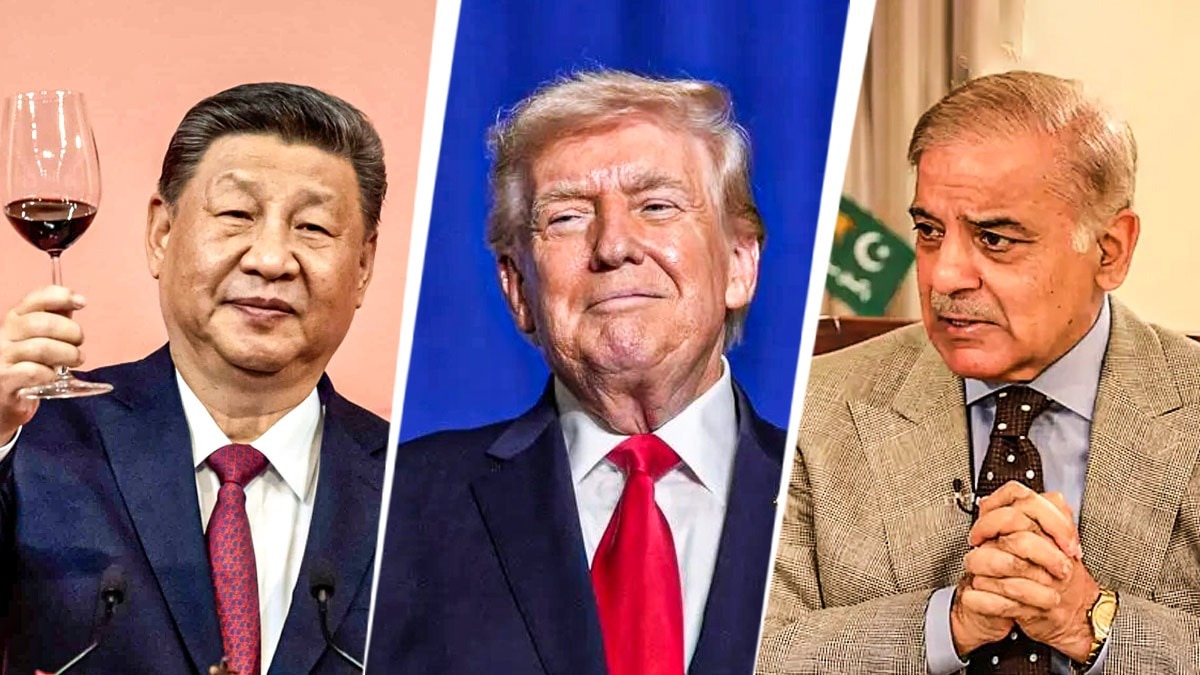
- China worked through intermediaries including Pakistan, Turkey, and Egypt to encourage Iranian officials toward a negotiated settlement, according to unnamed Chinese officials cited by the Associated Press.
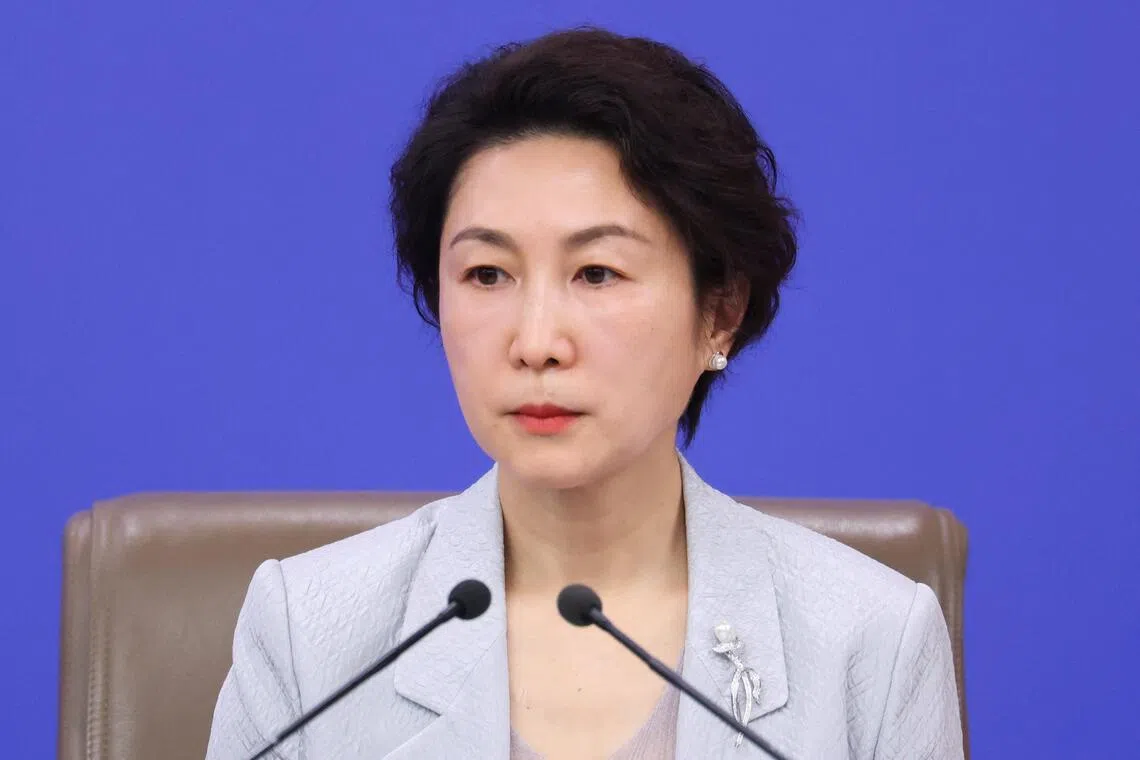
- Chinese Foreign Ministry spokesperson Mao Ning did not directly confirm Trump's claim, saying only that China "consistently advocated for the cessation of hostilities" and would continue playing a "constructive role."
- William Yang of the International Crisis Group told The Straits Times the ceasefire marks China taking on "more of the heavy lifting" and could boost Beijing's global influence "at a time when the US is rapidly becoming the more disruptive superpower."
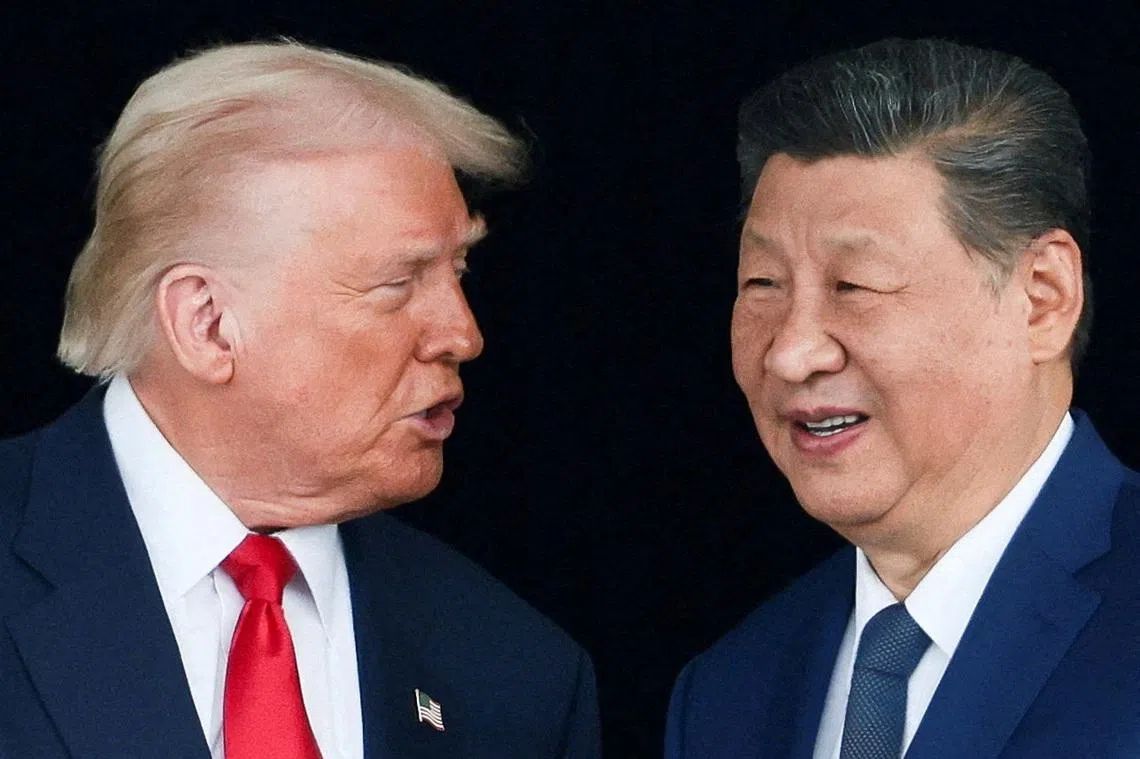
- Trump's visit to China, originally slated for March 31 to April 2, was pushed back by "a month or so" because of the Iran war and could now be rescheduled for mid-May if the two-week truce holds, per Yang.
- Earlier in the conflict, China used its UN veto to block a resolution protecting commercial shipping, which Beijing deemed biased against Iran, while scrambling to shore up domestic energy security amid surging fuel prices.
Why it matters: For Beijing, the ceasefire could clear the path to the delayed mid-May Trump-Xi summit, which Yang calls "the most important event on Beijing's political agenda for the first half of 2026" — giving China a chance to reframe itself as a Middle East power broker after weeks of looking sidelined by the energy-supply fallout from the Strait of Hormuz disruption.
Ask SkimNews