Oil spikes past $98, then pares gains as Iran ends strikes — SkimNews
Get the Finance newsletter
Daily finance — markets, central banks, M&A, the prints that move money. Free.
- Brent crude surged as much as 5%, topping $98 a barrel in early trading — on pace for its biggest one-day advance since May 4 — before paring gains to $94.55 (up 1.6%) after Iran announced it had concluded its latest military operation against Israel.
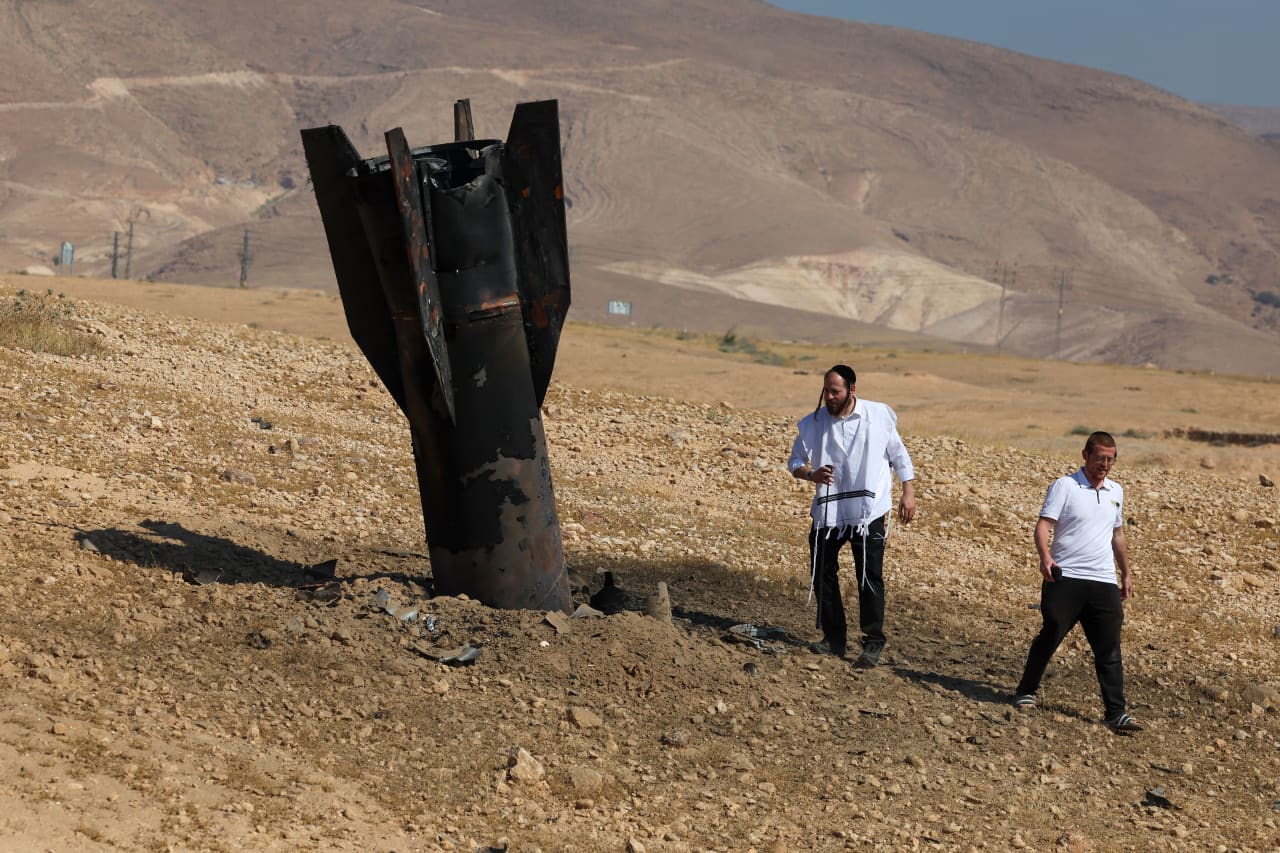
- WTI crude rose 1.4% to $91.76 a barrel after hitting a session high of $95.48, with the price spike triggered by the overnight exchange of attacks between Israel and Iran — the first Iranian attack since the cease-fire took effect exactly two months ago.
- Israel retaliated against Iran for firing a barrage of missiles on Sunday, the attack itself a response to Israeli airstrikes on Beirut that targeted Iranian-backed Hezbollah.
- Iran's Revolutionary Guards Corps declared the military operation concluded via a statement from its Khatam al-Anbiya central headquarters, while threatening to resume attacks "if aggression and hostile acts continue."
- OPEC+ approved a 188,000 barrel-per-day production increase for July — the fourth consecutive output target hike — though Trade Nation analyst David Morrison said the move is "unlikely to have any effect on oil prices" while the Strait of Hormuz remains effectively shut by the Iran war.
- The announced OPEC+ increase does not account for production by the United Arab Emirates, which pulled out of the group last month.
- David Morrison, senior market analyst at Trade Nation, warned the escalation could restart conflicts across the region and endanger ongoing negotiations to end the war and reopen the Strait of Hormuz.
Why it matters: The first breach of the two-month cease-fire sent Brent briefly past $98, showing how fragile the truce remains. With the Strait of Hormuz still shut and OPEC+ production increases purely symbolic, oil markets are at the mercy of whether this round of attacks truly ends or reignites broader regional conflict.
Ask SkimNews