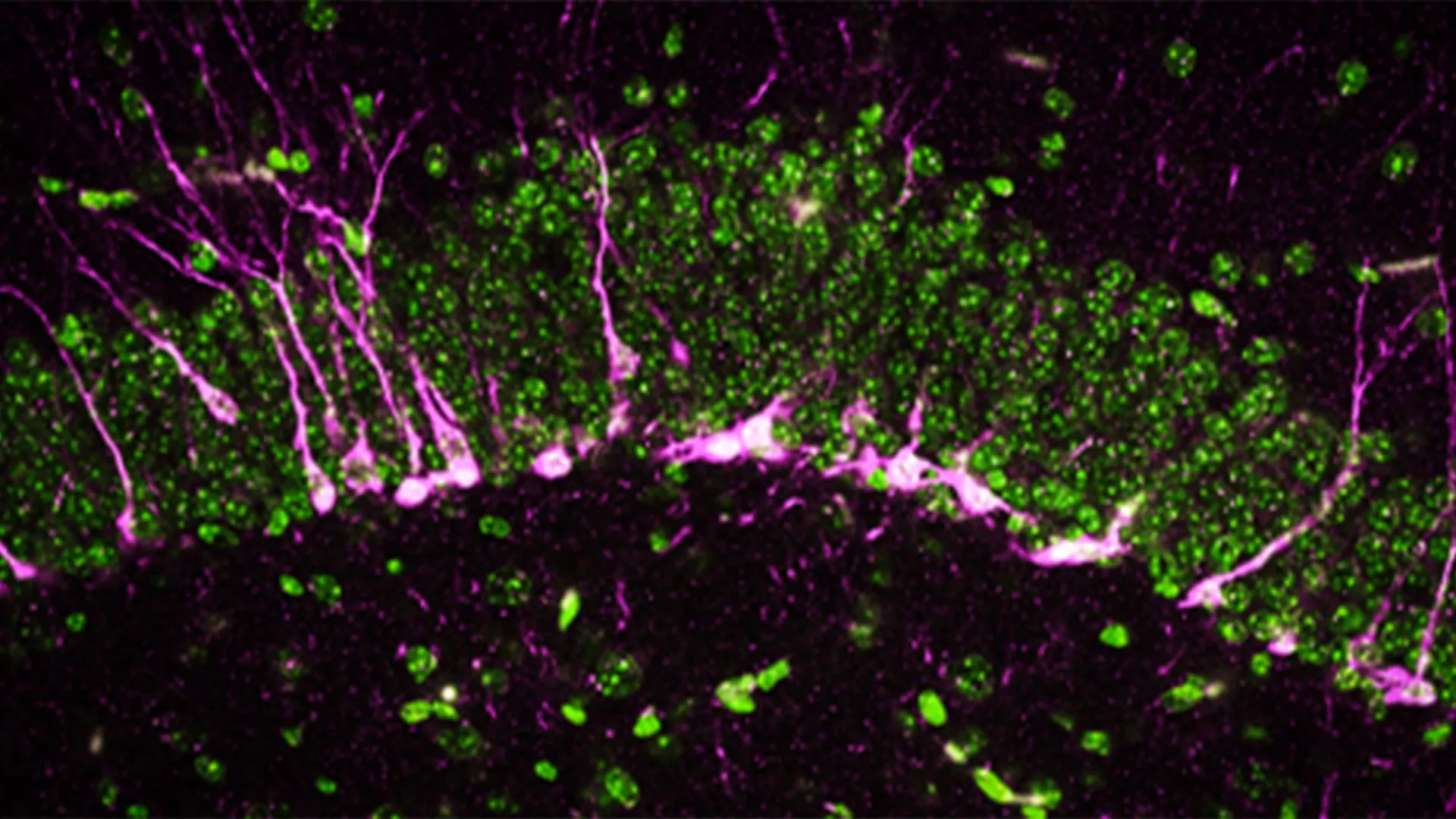
The allergy culprit histamine also boosts our memory

Get the Health newsletter
Daily health & science — research, biotech, public health, the studies worth knowing. Free.
- Michael Colwell at the University of Oxford led a small experiment in which boosting brain histamine levels improved memory accuracy by about 10–11%, suggesting the molecule changes 'novelty-linked arousal.'
- Colwell's team gave 60 volunteers either pitolisant or a placebo, then used MRI scans during memory tasks and observed greater connectivity between histamine-producing brain regions and the hippocampus in the drug group.
- Older antihistamines that crossed into the blood-brain barrier likely caused the memory complaints seen in long-term users, Colwell said, offering a retroactive explanation for a known side effect.
- Colwell cautioned against using pitolisant as a 'smart drug,' saying it would likely disrupt sleep and ultimately harm memory in the long term.
- Roland Seifert at Hannover Medical School said the findings confirm histamine's learning role in animals applies to humans and may renew interest in targeting histamine receptors for brain conditions.
- Holger Stark at Heinrich Heine University in Düsseldorf, who helped create pitolisant, said the drug tends to normalize impaired cognitive function in patients with conditions like narcolepsy or Prader-Willi syndrome rather than boost cognition beyond normal levels.
Why it matters: The first human evidence that raising brain histamine sharpens recall, beyond what animal studies had shown, gives drug developers a fresh angle on cognitive disorders — but the lead researchers and the drug's own co-creator both stress pitolisant normalizes impaired function, it does not enhance healthy brains, and sleep disruption would cancel out any short-term memory gains.