Tau protein organizes long-term memory, mouse study finds — SkimNews

SkimNews Take
This dual-role finding creates a therapeutic dilemma: drugs designed to clear tau to fight Alzheimer's may inadvertently undermine the very memory function tau supports.
Get the Health newsletter
Daily health & science — research, biotech, public health, the studies worth knowing. Free.
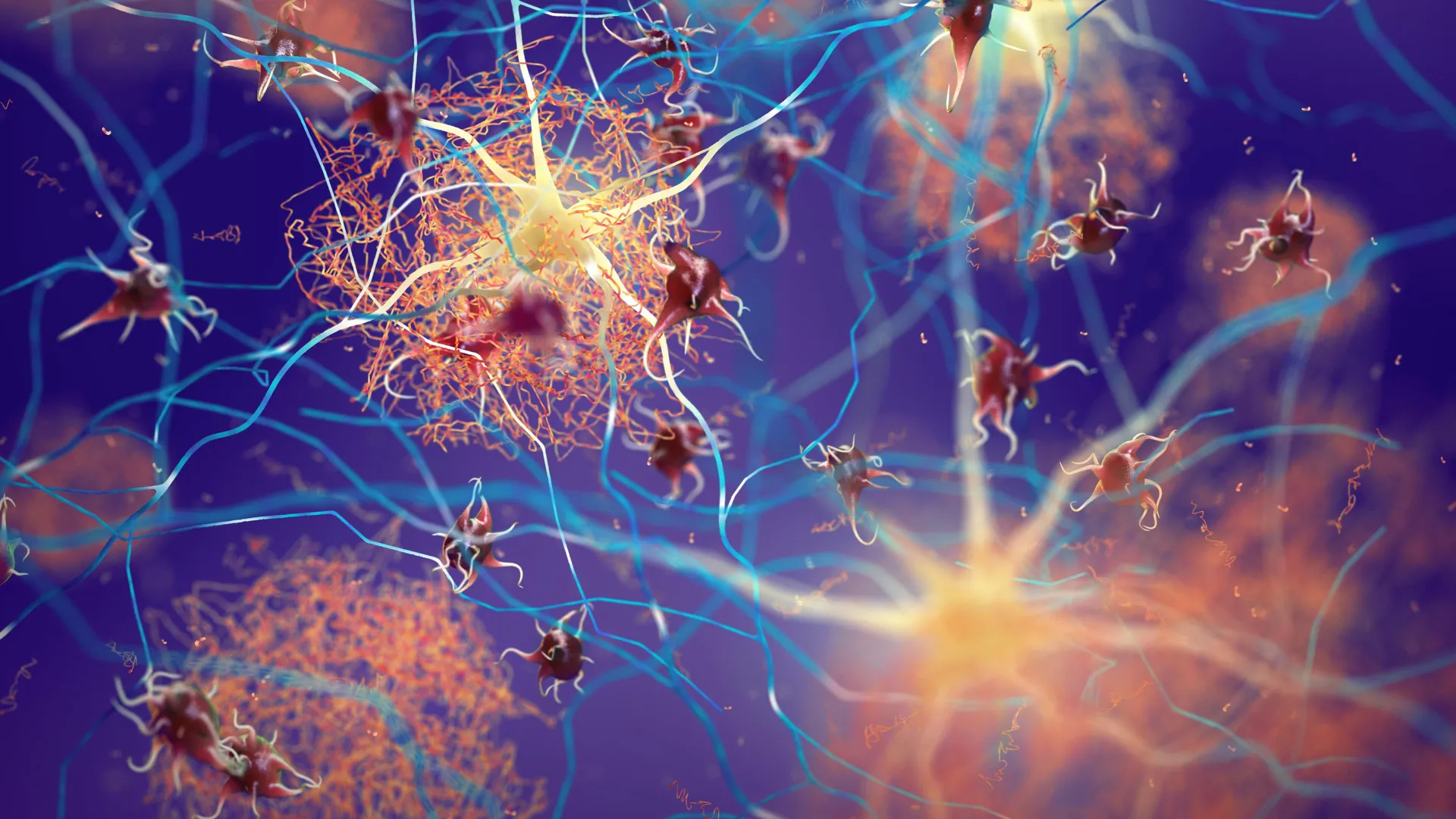
- Flinders University researchers, with the University of New South Wales and Macquarie University, found that tau organizes "engram cells" — the brain cells that store memories — deciding which ones are recruited to preserve new experiences, per a Nature Communications study.
- Tau reduces background "noise" activity during memory formation and undergoes controlled phosphorylation to coordinate engram cells, showing that low-level phosphorylation is part of normal brain function, not just a hallmark of Alzheimer's.
- Lead author Renée Kosonen and colleagues found that memory traces persisted in mice even without tau and could be recovered by directly stimulating engram cells, suggesting tau links natural cues to recall rather than storing memories themselves.
- Disease-associated tau disrupted new memory formation when present during learning and impaired retrieval when introduced after memories had formed, pointing to two distinct mechanisms by which abnormal tau damages memory in dementia.
- Senior author Arne Ittner, a neuroscientist at Flinders' College of Medicine and Public Health, said the findings explain why people with dementia can initially learn new information but struggle to retain it.
- The study was conducted in mice, so the findings cannot be directly applied to human memory or Alzheimer's, but could guide future dementia research and treatment strategies.
Why it matters: The study reframes tau from a solely disease-linked protein to a dual-role one — normal levels organize memory, while abnormal forms disrupt both formation and retrieval. The finding that memories persist in tau-deficient brains and can be recovered by stimulating engram cells directly suggests Alzheimer's memory loss may be a retrieval problem, not just storage decay, potentially guiding future dementia treatments.
Ask SkimNews