Copper Drug Restores Memory by Repairing Brain's Waste — SkimNews

Get the Health newsletter
Daily health & science — research, biotech, public health, the studies worth knowing. Free.
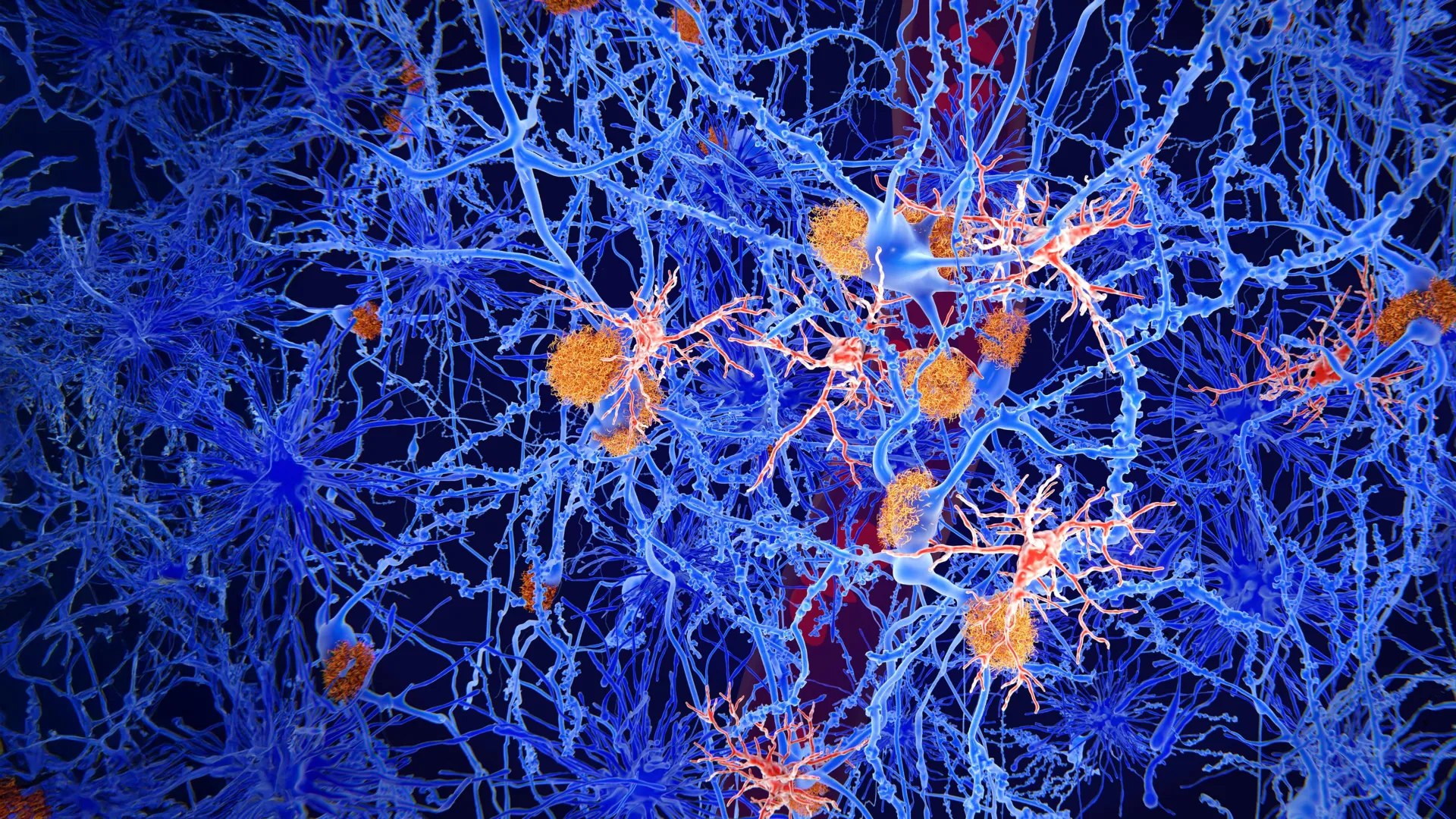
- Monash University researchers found that the copper-based compound Cu(ATSM) reduced amyloid-beta buildup by 42% and improved spatial learning by nearly 44% over 56 days in an Alzheimer's disease model.
- Cu(ATSM) works by increasing the abundance of P-glycoprotein (P-gp) clearance pumps in the blood-brain barrier by 24.1%, restoring the brain's ability to flush out trapped toxic proteins.
- Professor Joseph Nicolazzo said the drug could move into Alzheimer's human trials relatively quickly because Cu(ATSM) has already progressed through clinical safety testing for Parkinson's disease and ALS.
- Dr. Jae Pyun called it the first study to link repair of the blood-brain barrier's waste-removal system directly to reduced amyloid levels and improved cognitive function.
- The findings, published in ACS Chemical Neuroscience, suggest Cu(ATSM) may also enhance the activity of microglia — the brain's immune cells — though the precise pathway by which proteins exit the brain after treatment remains under investigation.
- Dementia recently surpassed coronary heart disease to become Australia's leading cause of death, a backdrop researchers cited as underscoring the urgency of new treatments.
Why it matters: Cu(ATSM) has already cleared human safety testing for other neurological conditions, which could compress the typical decade-long drug development timeline and bring a novel blood-brain-barrier repair strategy into early symptomatic Alzheimer's trials far faster than a compound starting from scratch.
Ask SkimNews