Blocking PTP1B Restores Memory, Clears Brain Plaques — SkimNews

SkimNews Take
The protein PTP1B appears to be a crucial node where metabolic dysfunction and neurodegenerative processes converge, suggesting a single therapeutic intervention could address multiple chronic diseases.
Get the Health newsletter
Daily health & science — research, biotech, public health, the studies worth knowing. Free.
- Cold Spring Harbor Laboratory researchers led by Professor Nicholas Tonks found that blocking the PTP1B protein improved learning and memory in a mouse model of Alzheimer's disease, reversing a core symptom of the illness.
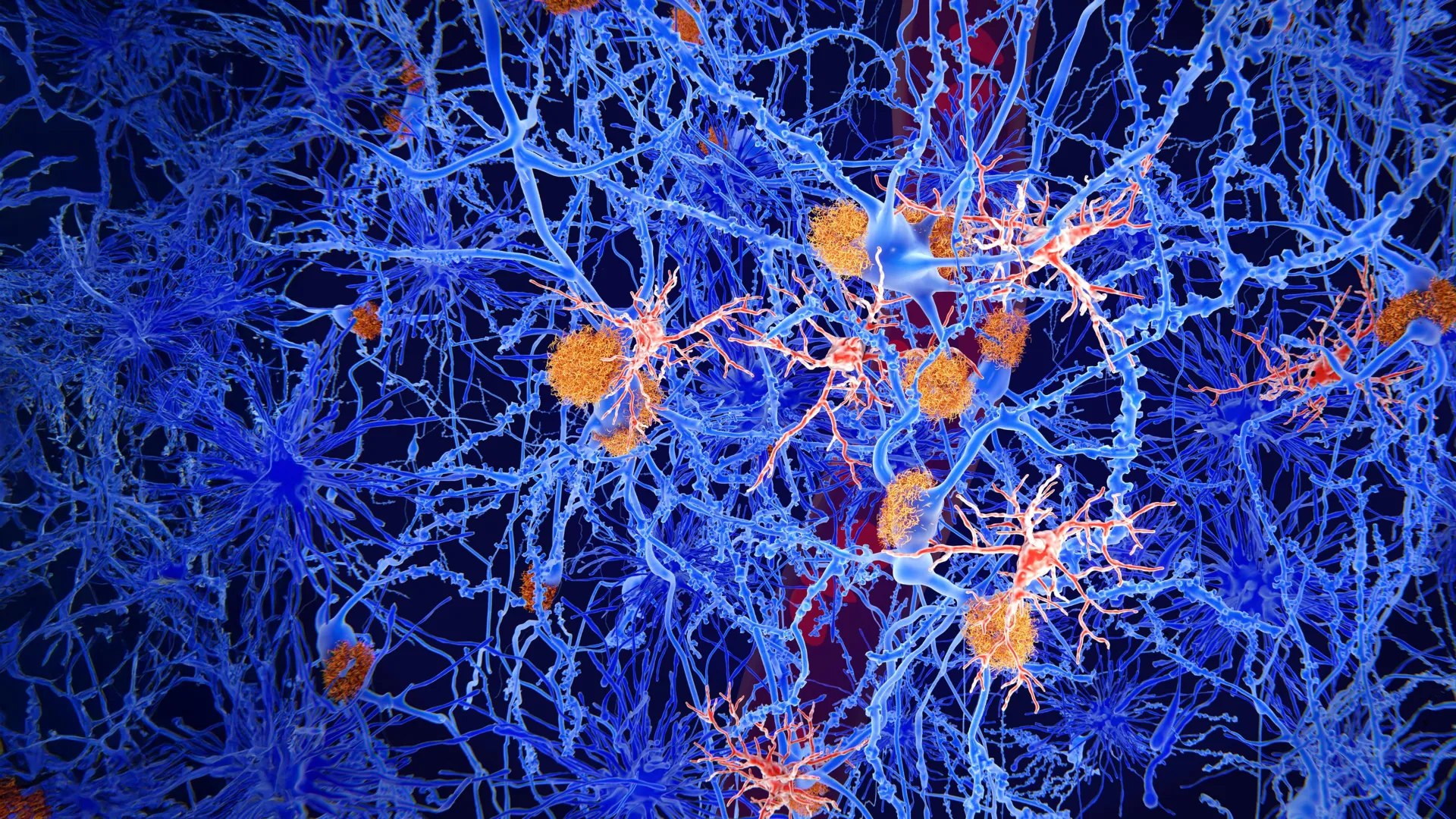
- PTP1B interacts with spleen tyrosine kinase (SYK), which controls microglia — the brain's immune cells that become "exhausted" over the disease course and lose their ability to clear amyloid-β (Aβ) plaque buildup.
- Graduate student Yuxin Cen said PTP1B inhibition improved microglial function to clear Aβ plaques, while postdoctoral fellow Steven Ribeiro Alves argued the approach could provide "additional impact" beyond current Aβ-reducing drugs that offer limited benefits to many patients.
- PTP1B is already a therapeutic target for metabolic disorders — and obesity and type 2 diabetes are both recognized Alzheimer's risk factors — giving the team a dual-disease rationale for drug development.
- The Tonks lab is collaborating with DepYmed, Inc. to develop PTP1B inhibitors, with Tonks envisioning combination therapy alongside existing approved Alzheimer's drugs to slow disease progression.
- The findings were published in Proceedings of the National Academy of Sciences (Vol. 123, Issue 6, DOI: 10.1073/pnas.2521944123), with Tonks having first discovered PTP1B back in 1988.
Why it matters: With current Alzheimer's therapies offering limited benefits for many patients and Aβ-clearing approaches hitting a ceiling, a protein target already in drug development for diabetes and obesity could shorten the path to human trials — and Tonks's lab explicitly envisions combining it with approved drugs to hit multiple disease mechanisms at once rather than relying on a single Aβ-reducing strategy.
Ask SkimNews