Microglia, Not Plaques, Drive Alzheimer's Sleep Loss — SkimNews

Get the Health newsletter
Daily health & science — research, biotech, public health, the studies worth knowing. Free.
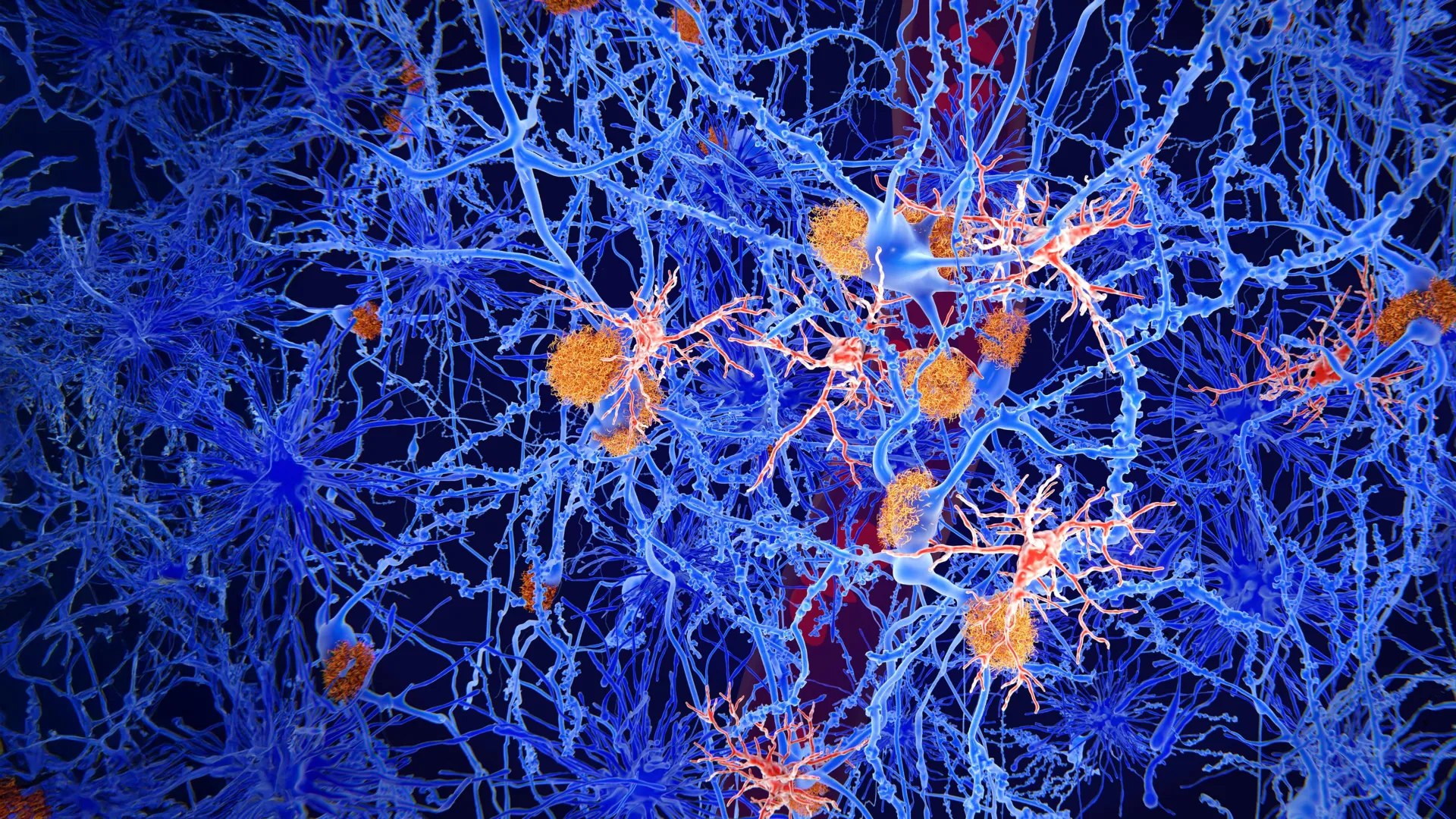
- University of Kentucky researchers led by Shannon L. Macauley found that microglia—the brain's resident immune cells—are the main drivers of sleep loss in an Alzheimer's mouse model, not the amyloid plaques themselves.
- After 14 days on Pexidartinib (PLX3397), a cancer drug that eliminated roughly 87% of microglia, mice regained more than two hours of sleep per day even though amyloid plaque levels in their brains were unchanged.
- The study, published in Alzheimer's & Dementia, documented a "ceiling effect": sleep disruption at 6 months—when plaques first appear—did not worsen by 18 months despite plaque burden more than doubling.
- Amyloid pathology selectively reduced NREM (restorative) sleep, while normal aging primarily reduced REM sleep, suggesting the two processes damage sleep through different mechanisms.
- First author Nicholas J. Constantino said they expected sleep disruption to scale with plaque burden; the flat trajectory implies the first wave of immune activity may establish the deficit permanently.
- Macauley's lab is now studying ways to calm microglia without eliminating them entirely, including examining already-approved drugs such as the diabetes medication Metformin.
- The team identified EEG patterns distinguishing Alzheimer's-related brain changes from normal aging and is developing portable EEG as a low-cost, noninvasive screening tool deployable at local clinics.
Why it matters: This repositions microglia—not plaques—as the actionable therapeutic target for Alzheimer's sleep loss, potentially letting researchers treat symptoms independently of clearing amyloid. Macauley's team is already testing existing drugs like Metformin to dampen these immune cells without removing them, which could shorten the path to human trials.
Ask SkimNews