Brain Immune Cell Shift May Gate Alzheimer's Dementia — SkimNews

Get the Health newsletter
Daily health & science — research, biotech, public health, the studies worth knowing. Free.
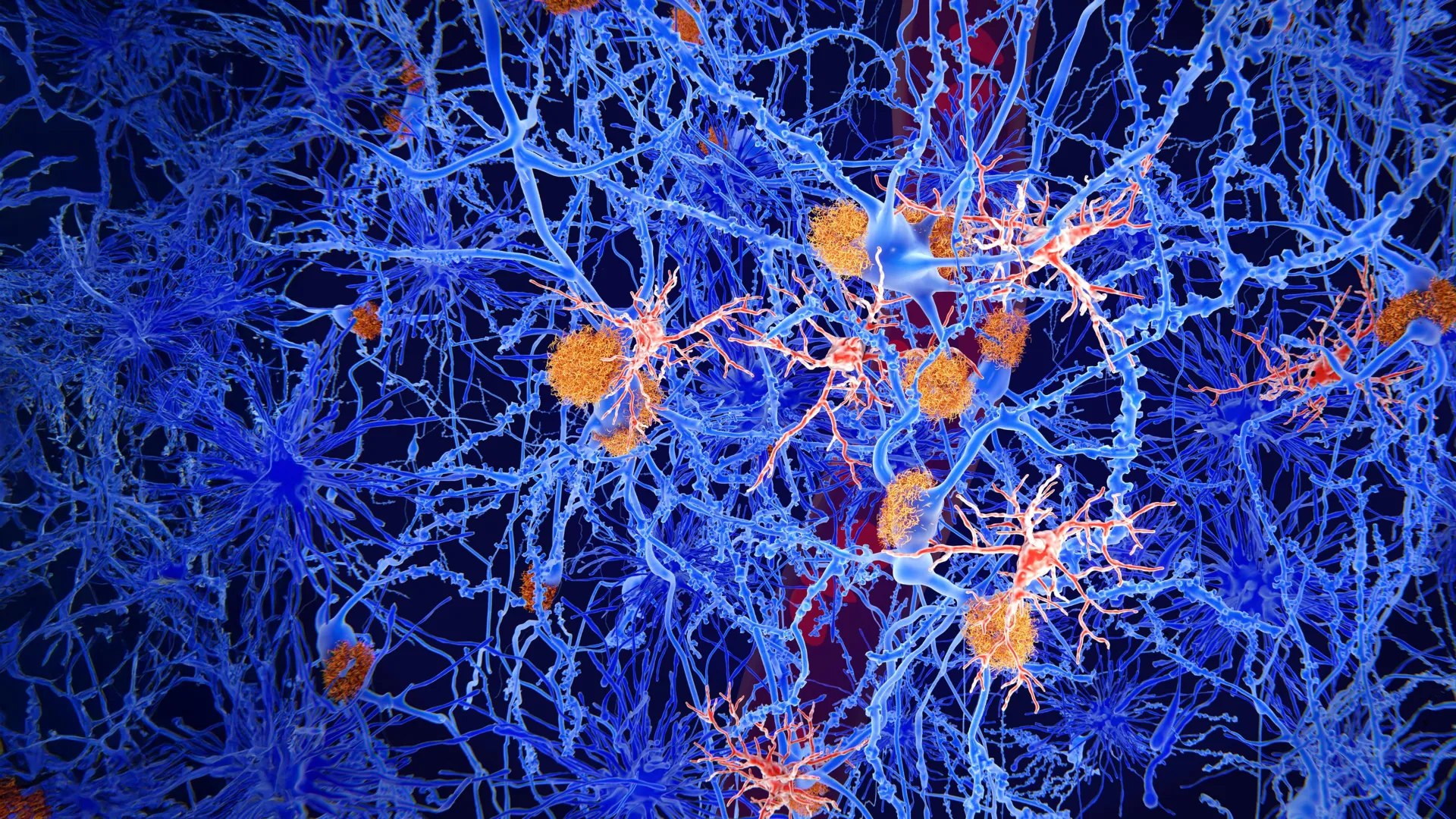
- VIB-KU Leuven Center for Neuroscience, together with the UK-DRI and Muna Therapeutics, published findings in Nature Medicine identifying a critical biological transition where microglia shift from an inflammatory state linked to amyloid-β plaques to an antigen-presenting state tied to tau pathology and neurodegeneration.
- Researchers used spatial transcriptomics and single-cell sequencing on donated brain tissue from people with dementia, those without dementia, and cognitively healthy centenarians, identifying six distinct tissue domains representing different stages of Alzheimer's progression.
- Octogenarians who accumulated amyloid plaques but remained dementia-free showed the early microglial inflammatory response without progressing to the later antigen-presenting state associated with disease advancement.
- Centenarians exhibited a different resilience pathway, activating the later microglial program but largely decoupled from tau accumulation, suggesting resilience depends not on avoiding pathology but on how the brain controls its immune response to it.
- The team identified the TREM2 pathway and other microglial state-transition molecules as promising therapeutic targets, arguing future treatments should preserve beneficial early microglial activity or intervene before inflammatory activity becomes linked to tau pathology.
- Alzheimer's disease affects more than 55 million people worldwide, and the study — funded in part by the European Research Council and led by co-senior authors Prof. Bart De Strooper and Prof. Mark Fiers — was conducted entirely using human donor material.
- Niels Plath, CSO of Muna Therapeutics, said the findings 'open new opportunities to target microglial states...and extend resilience rather than simply focusing on plaque removal.'
Why it matters: The study reframes Alzheimer's treatment strategy: instead of the dominant approach of clearing amyloid plaques, therapies could instead aim to control the microglial state transition that appears to gate the shift from amyloid pathology to tau-driven neurodegeneration. With 55 million people affected worldwide, targeting this inflection point — and pathways like TREM2 — offers a concrete, testable new direction for delaying or preventing dementia, with timing before tau-linked inflammation becoming critical to intervention success.
Ask SkimNews