OLE reprograms brain immune cells to fight Alzheimer's — SkimNews
Get the Health newsletter
Daily health & science — research, biotech, public health, the studies worth knowing. Free.
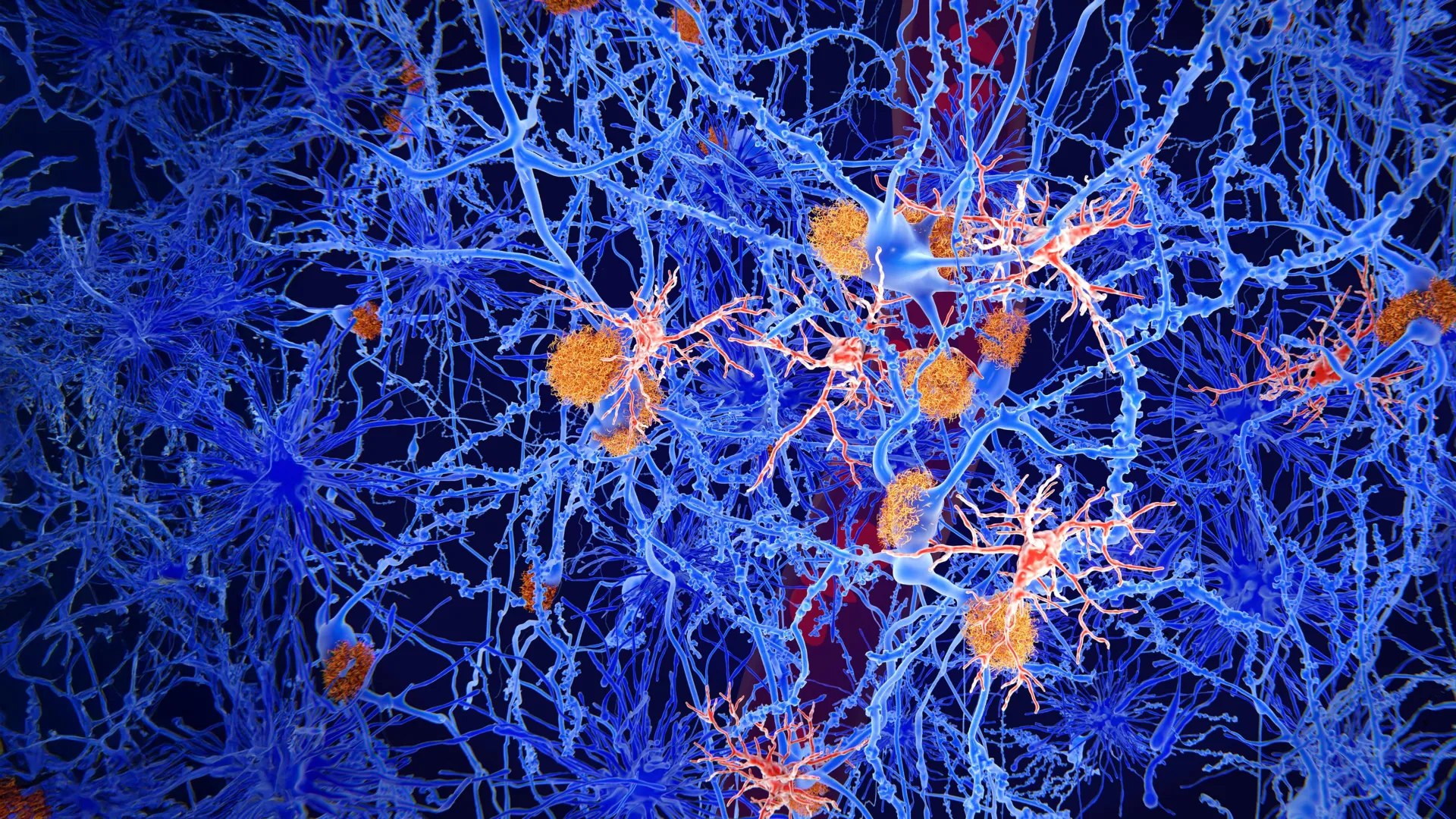
- Researchers at Spain's CSIC/UMH and Switzerland's EPFL identified a molecule called OLE that reprograms microglia — the brain's immune cells — restoring their ability to surround and contain toxic beta-amyloid plaques in Alzheimer's models.
- OLE, a molecule derived from the PM20D1 gene, was tested in C. elegans worms and mouse models; treated worms showed reduced protein aggregates and improved movement, while mice treated for three months showed fewer plaques and better memory test performance.
- Single-cell analysis revealed microglia were the cells most strongly affected by the treatment, activating pathways involved in clearing beta-amyloid and regaining mobility toward plaques.
- Cell culture experiments showed OLE-treated microglia were more effective at moving toward deposits, and OLE also improved survival of neurons exposed to Alzheimer's-like conditions, suggesting a direct neuroprotective effect beyond immune-cell reprogramming.
- The study, published in Cell Death and Disease, is led by José Vicente Sánchez Mut of the IN CSIC-UMH and Johannes Gräff of EPFL, with Victoria Pozzi as first author.
- The findings are covered by two European patents, including one owned by CSIC, supporting the translational potential for future Alzheimer's therapies.
Why it matters: OLE works by restoring microglia — the brain's immune cells — to a protective state rather than attacking beta-amyloid plaques directly. Backed by two European patents (one CSIC-owned), the discovery has clear translational potential, though results so far come only from C. elegans worms and mice over three months of treatment.
Ask SkimNews