Oregon State Team Watches Copper‑Amyloid Clumping Live — SkimNews

Get the Health newsletter
Daily health & science — research, biotech, public health, the studies worth knowing. Free.
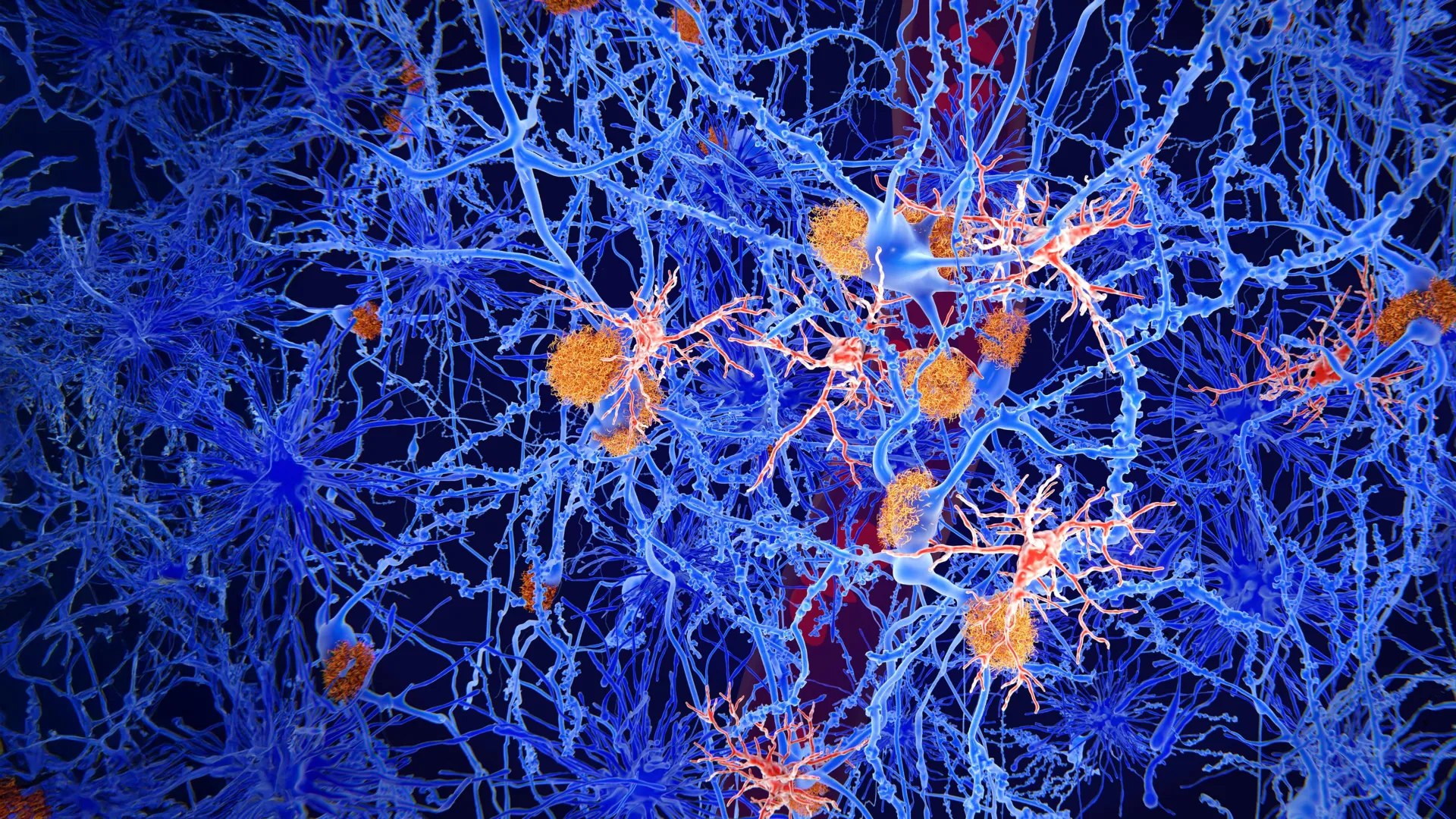
- Oregon State University researchers employed fluorescence anisotropy to monitor copper‑amyloid‑beta aggregation in real time, capturing second‑by‑second protein clumping dynamics.
- Marilyn Rampersad Mackiewicz led the study and demonstrated that copper ions accelerate amyloid‑beta aggregation while chelators can interrupt or reverse the clumping.
- Ni‑Bme‑Dach, a copper‑selective chelator, successfully reversed copper‑amyloid aggregation, whereas the non‑selective chelator EDTA bound metals without distinguishing copper.
- The team’s results were published in ACS Omega (2026), providing a method that shifts research focus from “does it work?” to “how does it work?” by quantifying real‑time interactions.
- Portland State University undergraduates, alongside OSU peers and supported by the SURE Science Program and donors Julie and William Reiersgaard, contributed to experiments and data analysis.
Why it matters: Researchers now have a real‑time assay to test how metal‑targeting compounds affect amyloid‑beta aggregation, allowing pharmaceutical teams to focus on agents that truly reverse clumping and potentially accelerating therapeutic development for the millions of Alzheimer’s patients while reducing costly trial failures.
Ask SkimNews