Arc Protein Carries Alzheimer's Tau Between Neurons — SkimNews
SkimNews Take
Identifying the carrier protein (Arc) rather than just the cargo (toxic tau) shifts the therapeutic target to intercellular transport machinery, potentially avoiding the difficulty of clearing a protein that neurons also produce normally.
Get the Health newsletter
Daily health & science — research, biotech, public health, the studies worth knowing. Free.
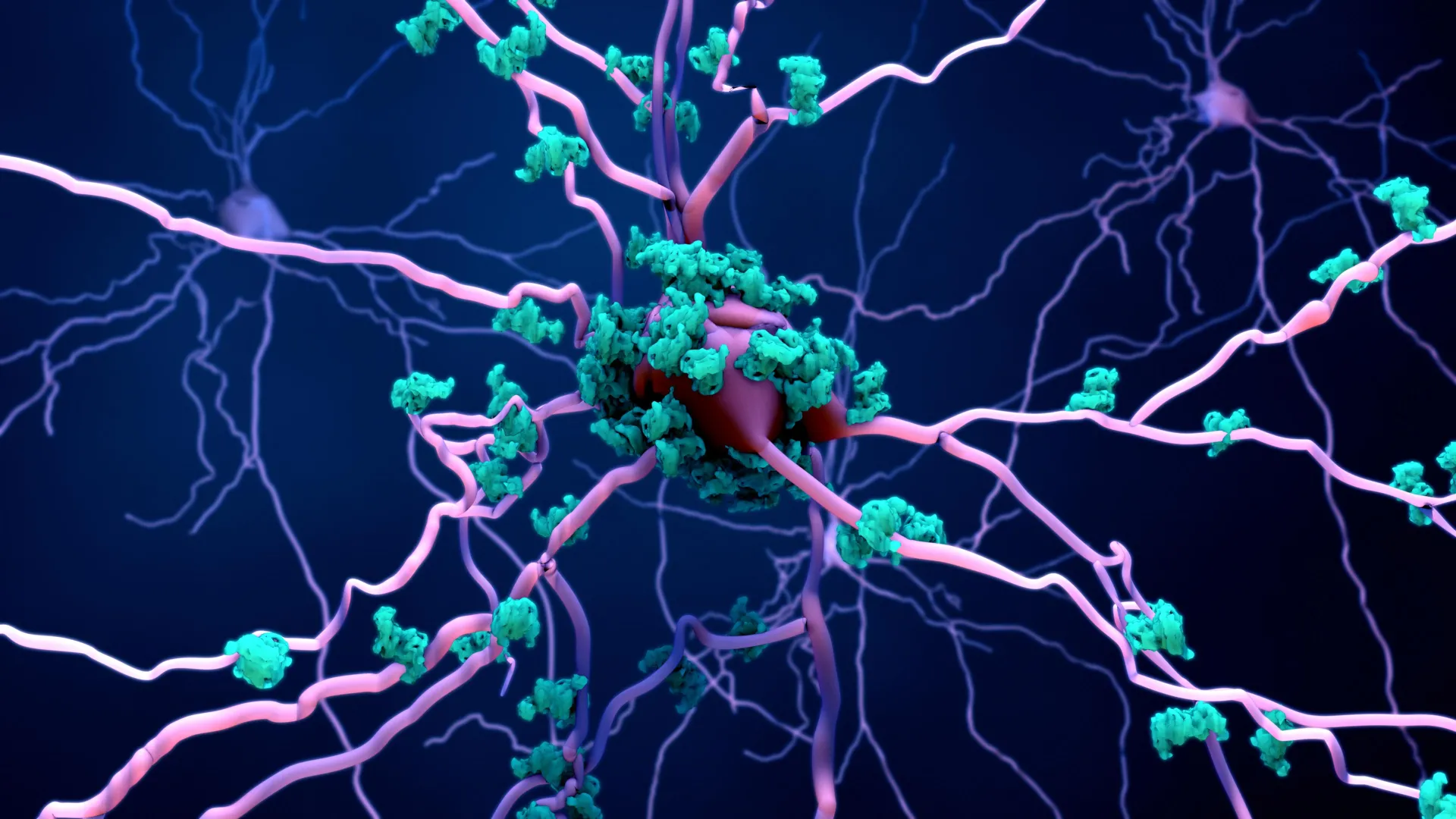
- University of Utah Health researchers identified the brain protein Arc as a vehicle that carries toxic Tau between neurons in Alzheimer's disease by exploiting extracellular vesicles (EVs) that normally shuttle signals between cells.
- In mice lacking Arc, Tau transfer between neurons was "severely, severely reduced" — "almost gone," according to first author Mitali Tyagi, PhD, who conducted the work in the Shepherd Lab and is now at Washington University in St. Louis.
- The protein has a dual role: Arc also helps damaged neurons expel excess toxic Tau, so mice without Arc saw sick neurons die faster because Tau became trapped inside at toxic levels.
- Senior author Jason Shepherd, PhD, said the most promising therapeutic angle is intercepting Tau-laden EVs between diseased and healthy neurons rather than eliminating Tau itself, but stressed the work is "far away from" any human treatment.
- The team also detected Arc-and-Tau-containing vesicles in human brain tissue, hinting the same mechanism may extend beyond mice.
- The study, "Arc mediates intercellular tau transmission via extracellular vesicles," was published June 30, 2026, in Cell, with funding from the NIH, Alzheimer's Association, Chan-Zuckerberg Initiative, and others.
Why it matters: Identifying Arc as Tau's ride between neurons gives drug developers a fresh target — the extracellular vesicles themselves — distinct from strategies aimed at clearing Tau directly. The dual role of Arc (protective early, damaging later) means any therapy must carefully intervene without disabling the brain's own Tau-clearing mechanism.
Ask SkimNews