King's College Finds Karyoptosis Mechanism in Alzheimer's — SkimNews
SkimNews Take
A previously invisible cell-death pathway suggests the standard inventory of Alzheimer's mechanisms has been incomplete, making every drug designed against the familiar targets a treatment for only part of the disease.
Get the Health newsletter
Daily health & science — research, biotech, public health, the studies worth knowing. Free.
- King's College London researchers published in Nature Communications that they identified "karyoptosis" — a process where a cell's nucleus shrivels and disintegrates — as a previously overlooked mechanism of brain cell death in Alzheimer's disease and frontotemporal dementia.
- The study analyzed 3,000 brain cells from 28 people with FTD or end-stage Alzheimer's, finding karyoptosis markers in 35% of frontal cortex cells from Alzheimer's patients versus just 15% in healthy older adults.
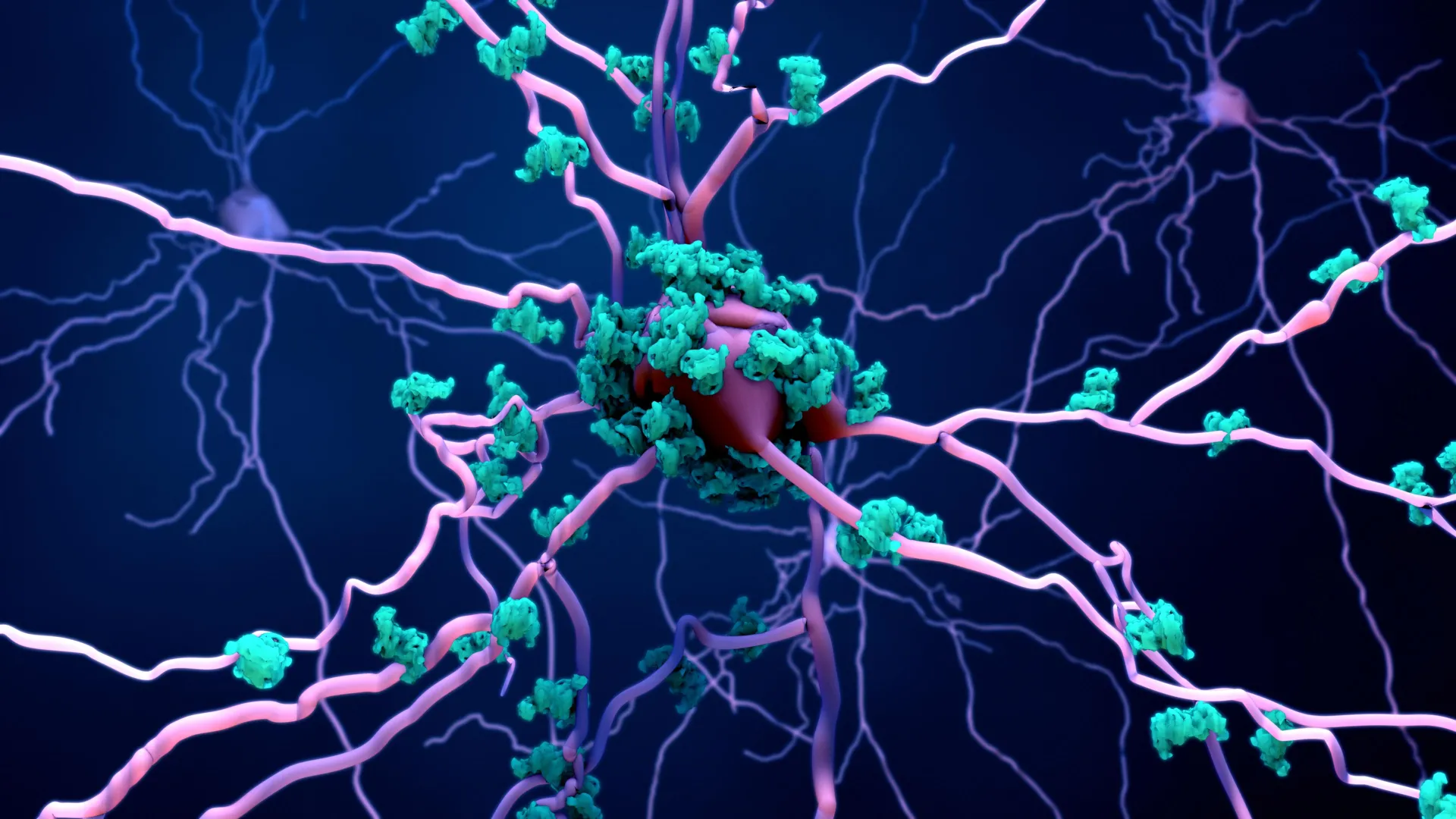
- The mechanism is triggered when toxic protein buildup destabilizes the nuclear outer membrane, causing it to shrink and break apart — a connection long suspected but never directly traced in human brain tissue.
- Laboratory experiments on rat neurons showed that blocking kinase "switches" — specifically the interaction between p38 MAP kinase and the protein LaminB1 — reduced markers of karyoptosis, identifying a concrete molecular target.
- Dr. Manolis Fanto, Reader in Functional Genomics at King's College London, said targeting the p38 MAP kinase–LaminB1 interaction "may slow down the process of cell death, buying time for more pinpointed therapies against specific neurodegenerative diseases."
- The research was primarily funded by Alzheimer's Research UK and the Biotechnology and Biological Sciences Research Council International Partnership, with the team now aiming to develop ways to selectively target the pathway in humans.
Why it matters: The identification of karyoptosis gives drug developers a concrete molecular target — the p38 MAP kinase and LaminB1 interaction — in a field where the link between toxic protein buildup and neuron death has remained unclear for decades. Blocking this pathway reduced cell-death markers in rat neurons, and the team is now pursuing human applications.
Ask SkimNews