SpaceX launches massive Starship rocket in first test flight since IPO — SkimNews

Get the Health newsletter
Daily health & science — research, biotech, public health, the studies worth knowing. Free.
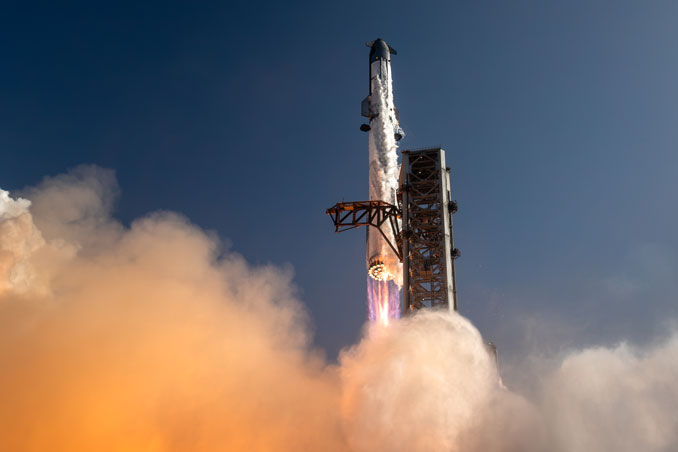
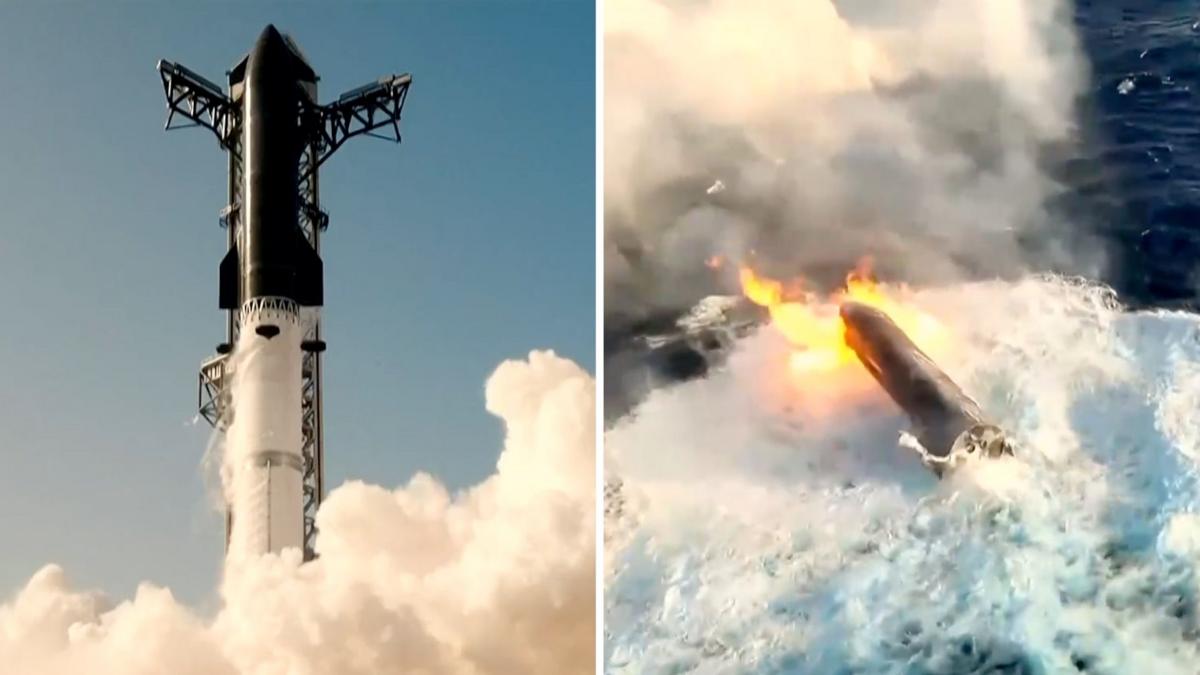
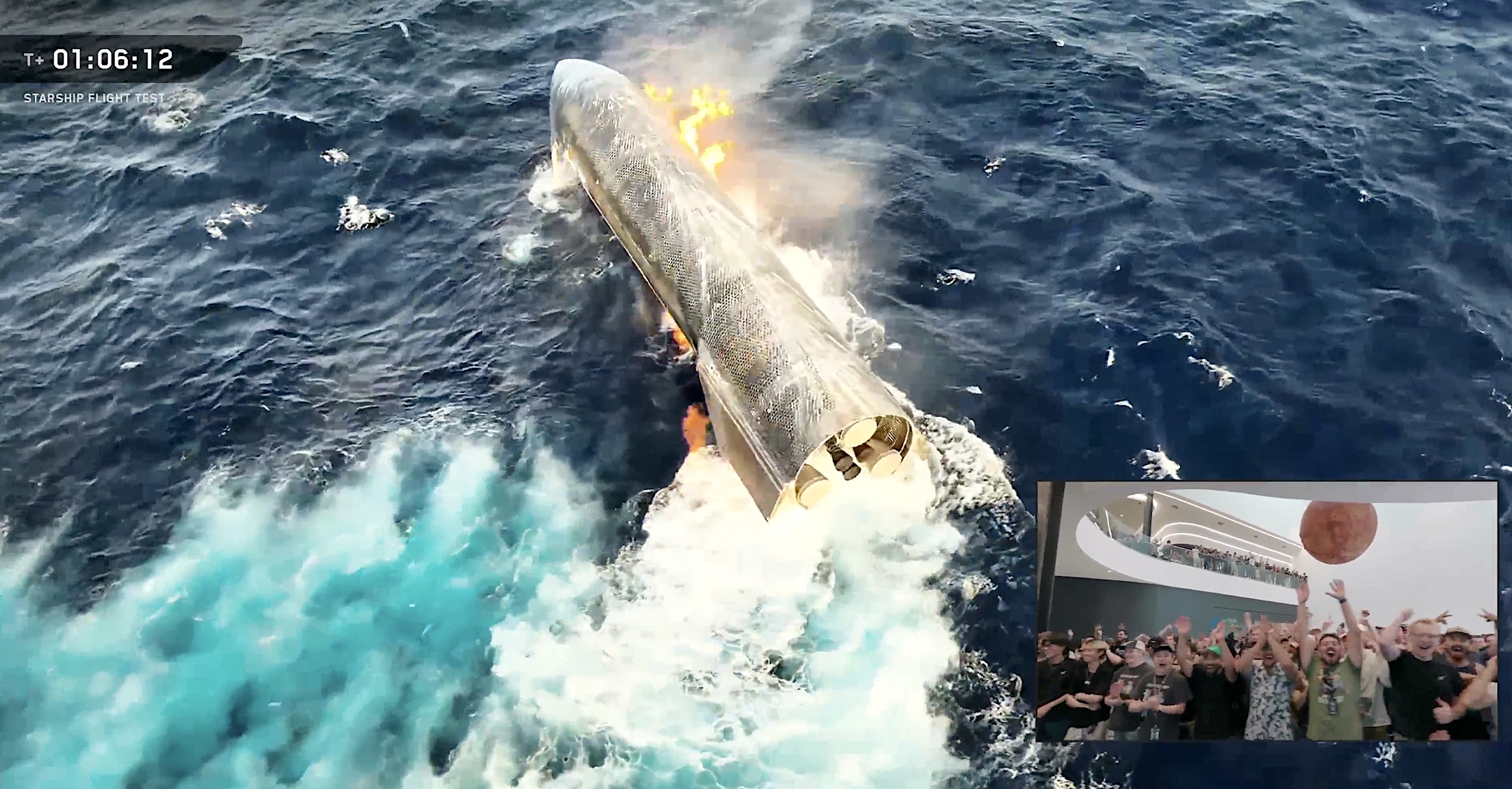
- SpaceX launched Starship on its 13th test flight from Starbase, Texas — the first since the company's record IPO last month — with the Super Heavy booster making a controlled splashdown in the Gulf and the upper stage achieving a "soft splashdown" in the Indian Ocean.
- Starship deployed 20 Starlink V3 satellites about 18 minutes into the flight, the first in-flight test of the larger, more powerful satellites built at SpaceX's Redmond, Washington facility with solar arrays generating twice the power of prior generations.
- Starship V3 completed only its second test flight, with SpaceX designing the rocket to be fully reusable for expanding Starlink, returning U.S. astronauts to the moon in a planned NASA test next year, and eventually powering manned Mars missions.
- Tim Farrar of TMF Associates said SpaceX "remains a long way from achieving rapid reusability of the entire ship," citing problems relighting Raptor engines and warning that a similar failure during a landing attempt could cause severe damage to the launchpad.
- SpaceX had scrubbed a Thursday test flight due to weather and a July 16 attempt after the booster triggered a hold that "shut down the engines right as they were starting to ignite."
- SpaceX stock has dropped in four of the past five weeks, slumping 43% from its peak close on June 16.
Why it matters: For SpaceX, Flight 13's deployment of 20 Starlink V3 satellites validates a key revenue path, but TMF Associates' Tim Farrar warned the Raptor relight failures show the company "remains a long way from achieving rapid reusability," and a landing failure would severely damage the launchpad. With stock already down 43% from its June 16 peak, each test carries material investor weight ahead of the planned 2026 NASA moon mission.
Ask SkimNews