Indonesia Wildfires Spread Toxic Haze to 3 Nations — SkimNews

Get the Geopolitics newsletter
Daily geopolitics — wars, elections, sanctions, the diplomatic moves that move markets. Free.
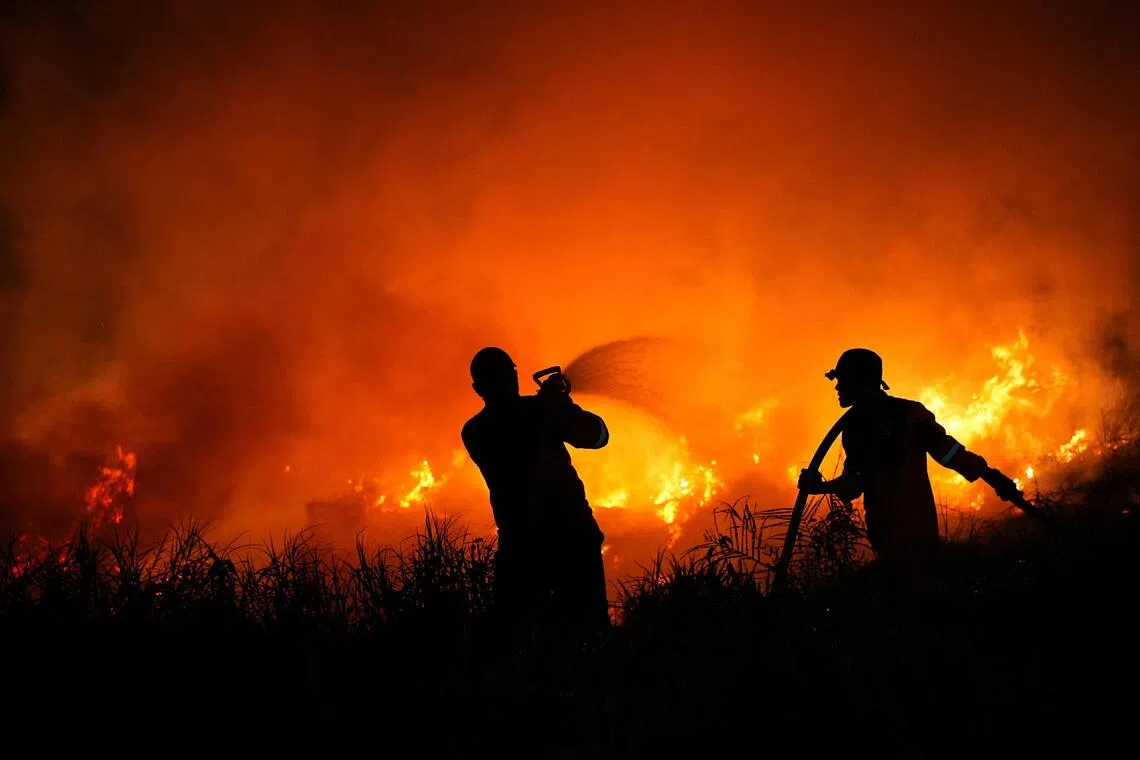
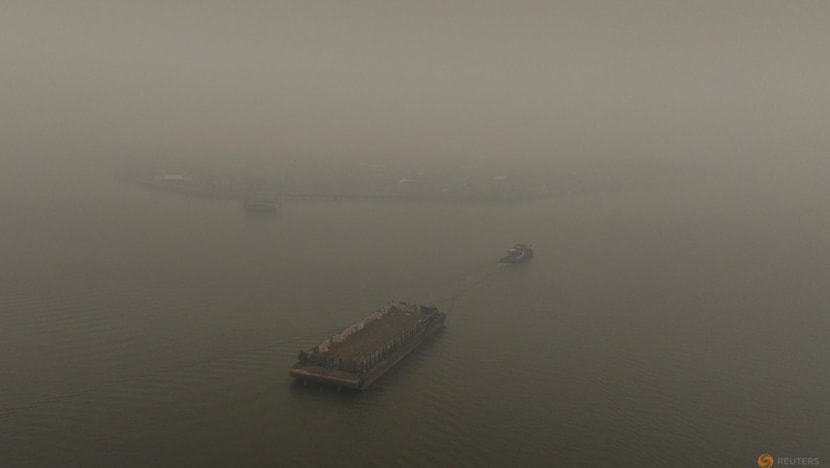
- Indonesian wildfires have blanketed Sumatra and Indonesian Borneo in toxic haze since mid-July, with pollution exceeding WHO recommended levels by more than 15 times in some areas and spreading into Malaysia, Singapore, and the Philippines.
- Indonesia's Health Ministry recorded over 50,000 respiratory infection cases between July and August, including more than 12,000 children under the age of five.
- Malaysia, Singapore, and the Philippines are reporting worsening air quality from drifting smoke, with residents in Malaysia citing rising asthma and conjunctivitis cases and people in Philippine Palawan reporting itchy eyes, sore throats, and headaches.
- Indonesian Borneo's peatlands normally act as carbon reservoirs but become carbon "bombs" when drained or burned, rapidly releasing thousands of years of stored carbon, according to peatland researcher Dr Nisa Novita of Yayasan Konservasi Alam Nusantara.
- Professor Bambang Hero Saharjo of Institut Pertanian Bogor University warned that this year's Super El Niño could burn up to 11 million hectares — comparable to Indonesia's worst 1997-98 fire season and roughly 30 times last year's 359,000-hectare burn area.
- Indonesia's forestry minister Raja Juli Antoni said the firefight is entering a "critical phase," declaring that "September is the peak of El Niño" and "the main fight for us."
Why it matters: With Super El Niño peaking in September, Indonesia's forestry minister warns the worst is yet to come — a fire season projected to burn up to 11 million hectares, roughly 30 times last year's burn area. The transboundary haze has already driven over 50,000 respiratory infections, including more than 12,000 Indonesian children under five, while peatland fires threaten to discharge millennia of stored carbon.
Ask SkimNews