Hamas Expected to Reject Gaza Disarmament Plan — SkimNews
Get the Geopolitics newsletter
Daily geopolitics — wars, elections, sanctions, the diplomatic moves that move markets. Free.
- Nickolay Mladenov, the High Representative for Gaza on the US-led Board of Peace, told the UN Security Council that Palestinian armed groups face "a renewed war, or a new beginning" under a new framework linking weapons decommissioning to reconstruction.
- Hamas is expected to reject the disarmament proposals, which would require a 6-9 month phased Israeli troop pullout, according to a Palestinian official familiar with the group's affairs.
- Israel's prime minister has demanded that Hamas disarm "either the easy way or the hard way," raising the prospect of a return to full-force military operations after a brief lull in fighting.
- Israeli airstrikes have continued despite the October ceasefire, killing dozens of Palestinians — including children — since the Iran war began at the end of February, with Israel saying it is targeting Hamas commanders and police officers.
- Israel continues to block reconstruction materials from entering Gaza on the grounds they could be used by Hamas for tunnels, while humanitarian agencies say basic needs like fuel, sewage repair, and debris removal remain unmet.
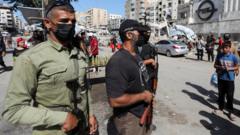
- Hamas has reasserted authority inside Gaza — appointing new police directors, setting up detention facilities, deploying security patrols at dozens of checkpoints after 9pm, and imposing heavy taxes on goods that traders say are pushing prices higher.
- The 15-member technocratic committee endorsed by Hamas has not set a date to return to Gaza, while 5,000 new Palestinian police officers have been recruited — many trained in Egypt — and 200,000 temporary housing units are in planning.
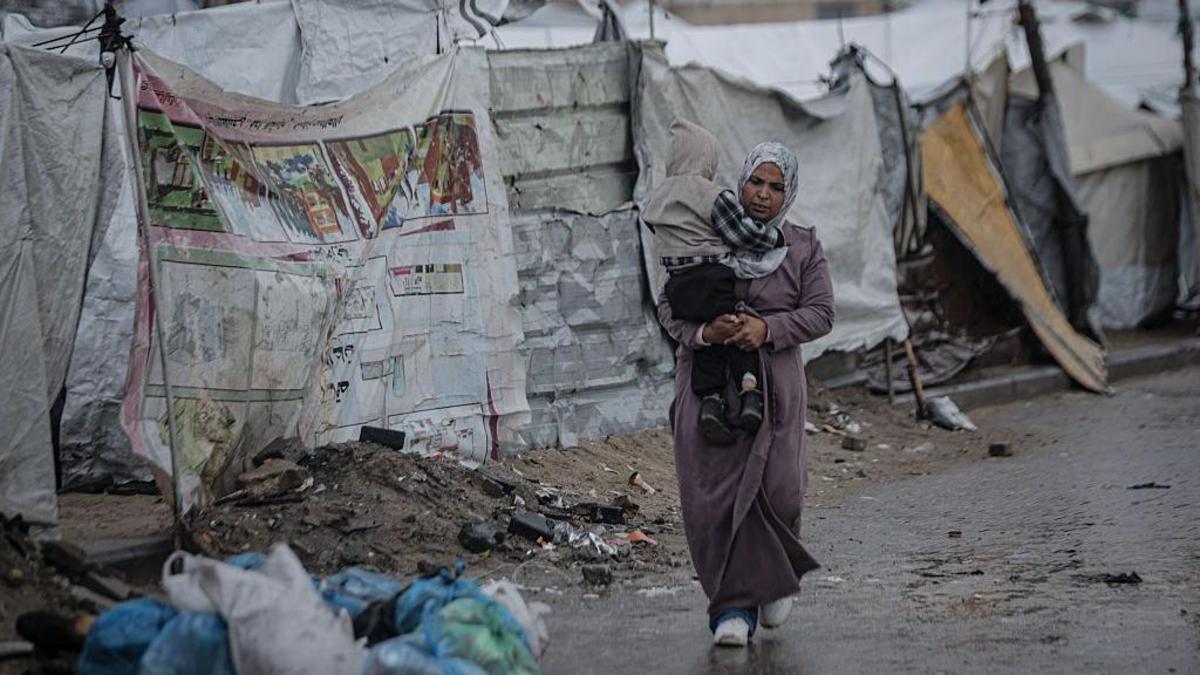
Why it matters: Hamas's expected rejection of the disarmament framework puts the Trump peace plan at a decisive fork: either a phased Israeli withdrawal paired with $7bn in pledged reconstruction moves forward, or Israel resumes full military operations with international attention consumed by the Iran war. For Gaza's population, the practical result of either path is a deepening humanitarian emergency — sewage overflowing in tent camps, reconstruction materials blocked, and aid agencies describing the situation as basic survival rather than recovery.
Ask SkimNews