U.S. warns Iran of ‘toughest sanctions in history’ as oil prices hit three-week high — SkimNews

Get the Geopolitics newsletter
Daily geopolitics — wars, elections, sanctions, the diplomatic moves that move markets. Free.
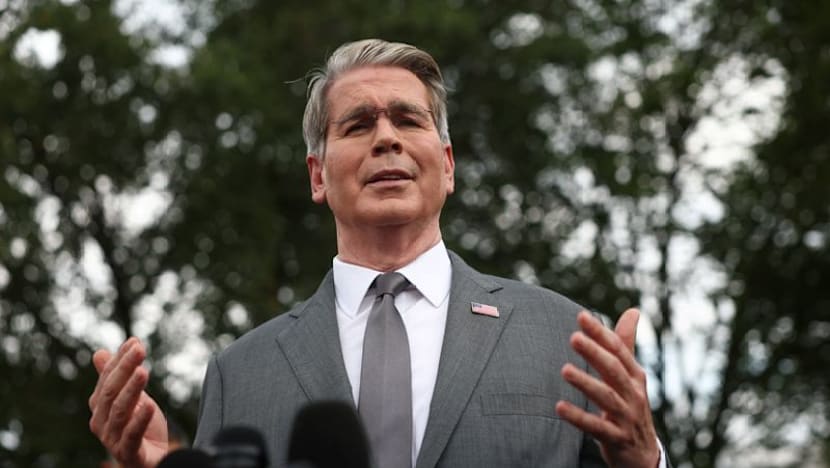
- Treasury Secretary Bessent announced 'toughest sanctions in history' on Iran, combining the measures with an existing U.S. naval blockade (imposed April, paused mid-June) in what he called a 'one-two punch' aimed at regime collapse
- Oil prices rose to a three-week high Thursday following the threats, amid a nearly six-month war that has stranded millions of barrels of Middle Eastern oil through the Strait of Hormuz
- China buys more than 80% of Iran's shipped oil (per Kpler 2025 data); Bessent noted China gets 50% of its energy from the Gulf and hinted Beijing should 'get with the program'
- Iran's foreign ministry condemned the new measures as 'economic terrorism' against ordinary Iranians, while Foreign Minister Araqchi called the threat an attempt to divert attention from U.S. record debt and rising interest rates
- Trump has yet to achieve his stated war objectives—dismantling Iran's nuclear program, curbing regional attacks, and enabling regime change—after two ceasefire deals in April and June both collapsed
- Oman is negotiating Strait of Hormuz management with Iran, with an agreement reportedly close, prompting Trump to threaten to bomb the long-standing U.S. security partner if it 'gets in the way'
- UAE suspended trade with Iran after renewed fire, while Canada announced sanctions on five Iranian officials over the Strait of Hormuz blockade
Why it matters: The U.S. is layering secondary sanctions on top of its naval blockade, threatening countries that trade with Iran—including China, which buys 80%+ of Iranian oil. With two ceasefires already collapsed and Trump explicitly seeking regime collapse, the bet is that economic strangulation can succeed where six months of military pressure have not.
Ask SkimNews