Oceans Record Hottest June Ever as Super El Niño Builds — SkimNews
Get the Energy newsletter
Daily energy & climate — solar, EVs, oil, the policy fights and tech bets shaping the transition. Free.
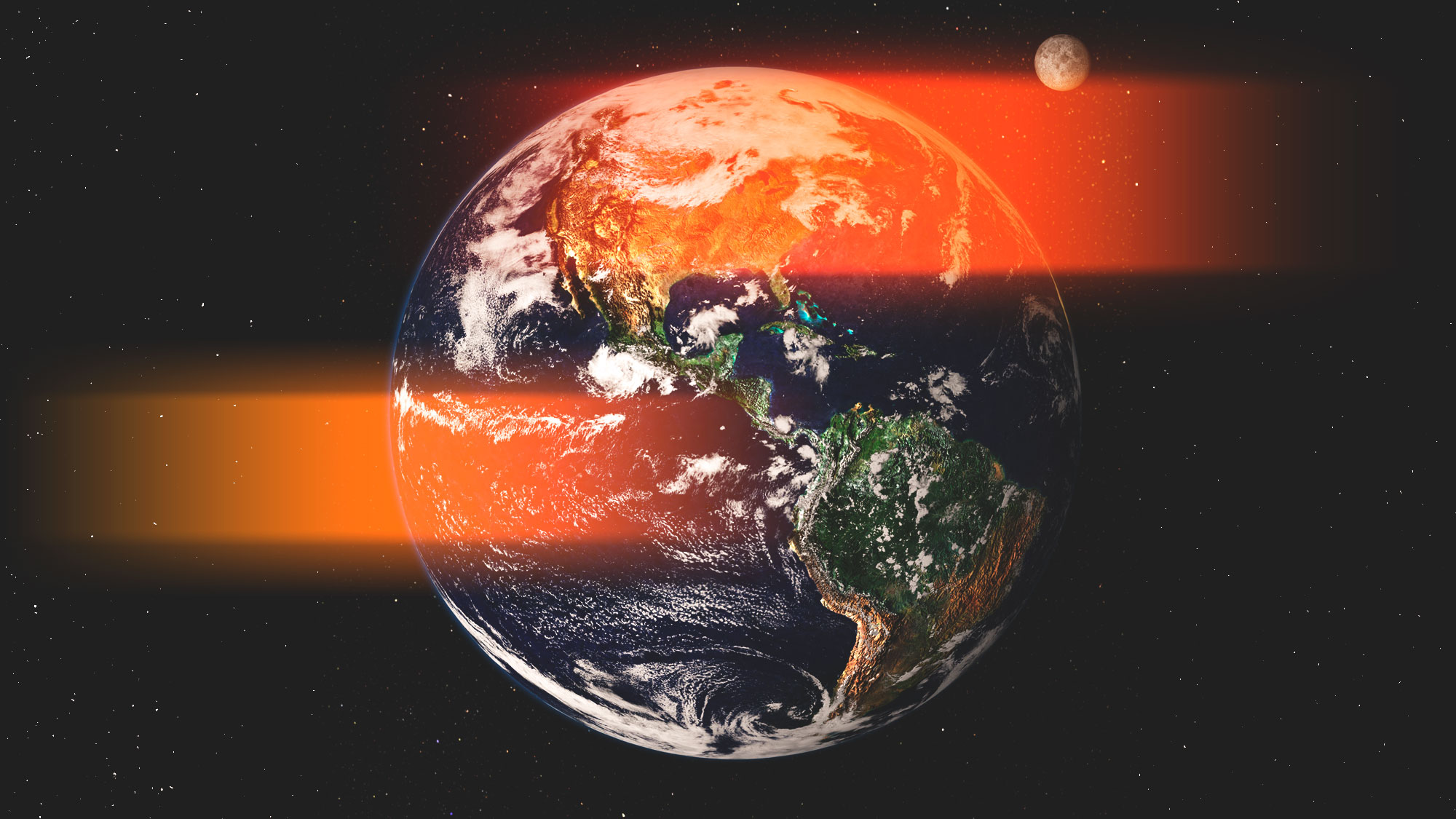
- Copernicus Climate Change Service confirmed June was the hottest ever recorded for both the world's oceans and Western Europe, with nearly 40% of global ocean area currently undergoing a marine heatwave.
- Marine heatwaves with sea-surface temperatures more than 10°F above normal in the Mediterranean and Pacific are tied to recent land heatwaves, including dozens of deaths in New Jersey over the July 4th weekend and thousands of heat-linked deaths across Europe in late June.
- Oceans absorb over 90% of excess heat trapped by greenhouse gases, and a recent study cited in the article found at least one-fifth of land heatwaves originate in ocean warming.
- Super Typhoon Bavi struck the Mariana Islands this week, becoming the second super typhoon with a documented 'fingerprint of climate change' to form in the Western Pacific in a matter of months.
- NOAA forecasts an 81% chance that the emerging El Niño becomes one of the strongest in history, a 'super El Niño' that climate scientist Matthew England said will keep global average temperatures elevated well into early next year.
- El Niño cycles typically bring heavier rainfall to California and South America, drier conditions to Australia and Southeast Asia, and suppress US hurricanes while strengthening cyclones in other regions, according to researchers at the University of New South Wales.
Why it matters: Record ocean heat combined with a likely super El Niño means extreme weather will intensify through 2025 into early 2026. Public health systems in temperate regions — where dozens died from heat in a single weekend in New Jersey and thousands across Europe — are now on the front line of a climate impact scientists say has already arrived.
Ask SkimNews