E-cadherin helps cells eat dead neighbors — SkimNews
Get the Health newsletter
Daily health & science — research, biotech, public health, the studies worth knowing. Free.
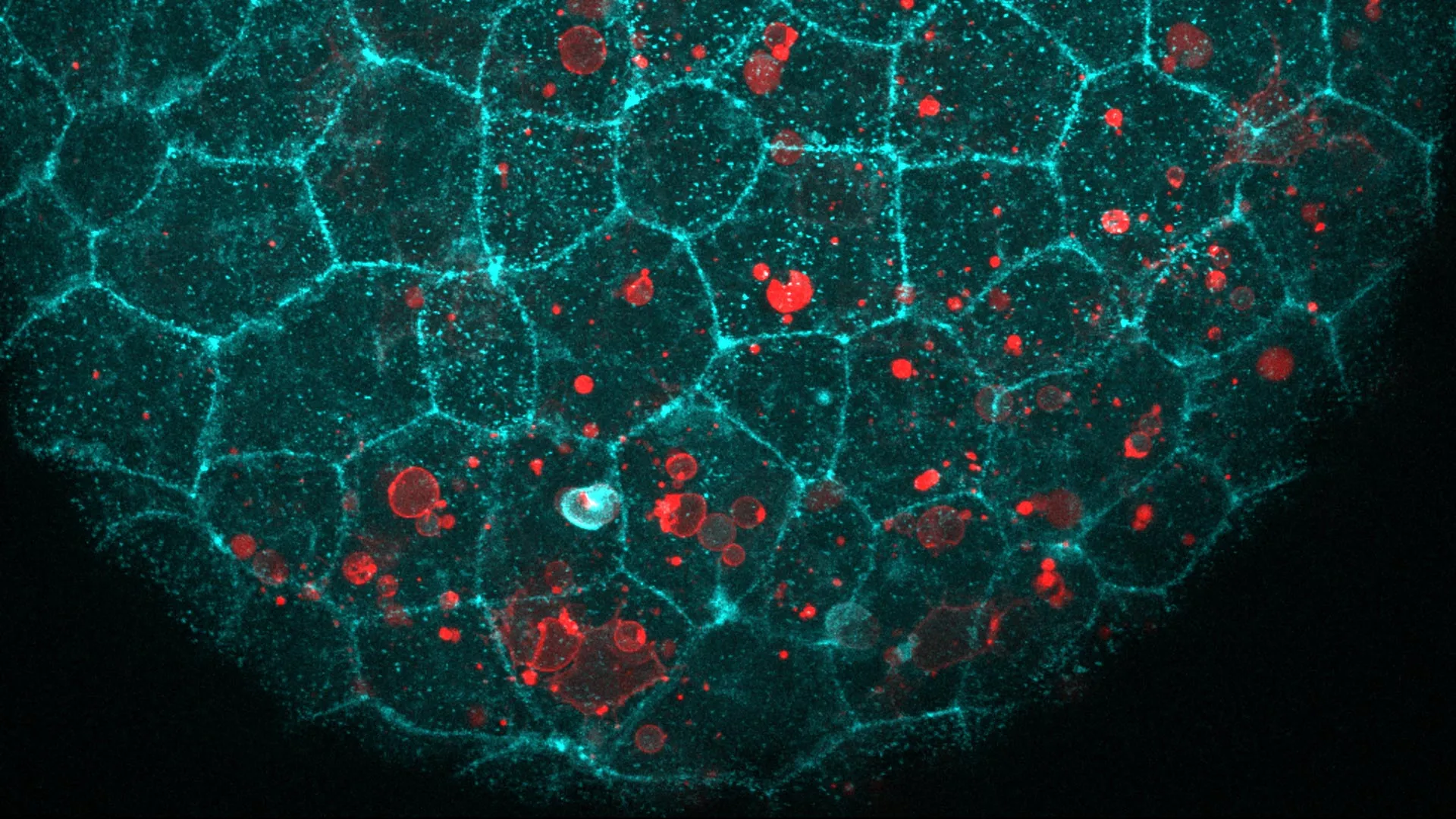
- E-cadherin performs a second function beyond cell adhesion by enabling epithelial cells to internalize dead cells, a process observed in live zebrafish and mouse embryos.
- Epithelial cells dynamically reshape their lower surfaces to extend toward dying neighbors, a behavior dependent on E-cadherin's mechanical signaling.
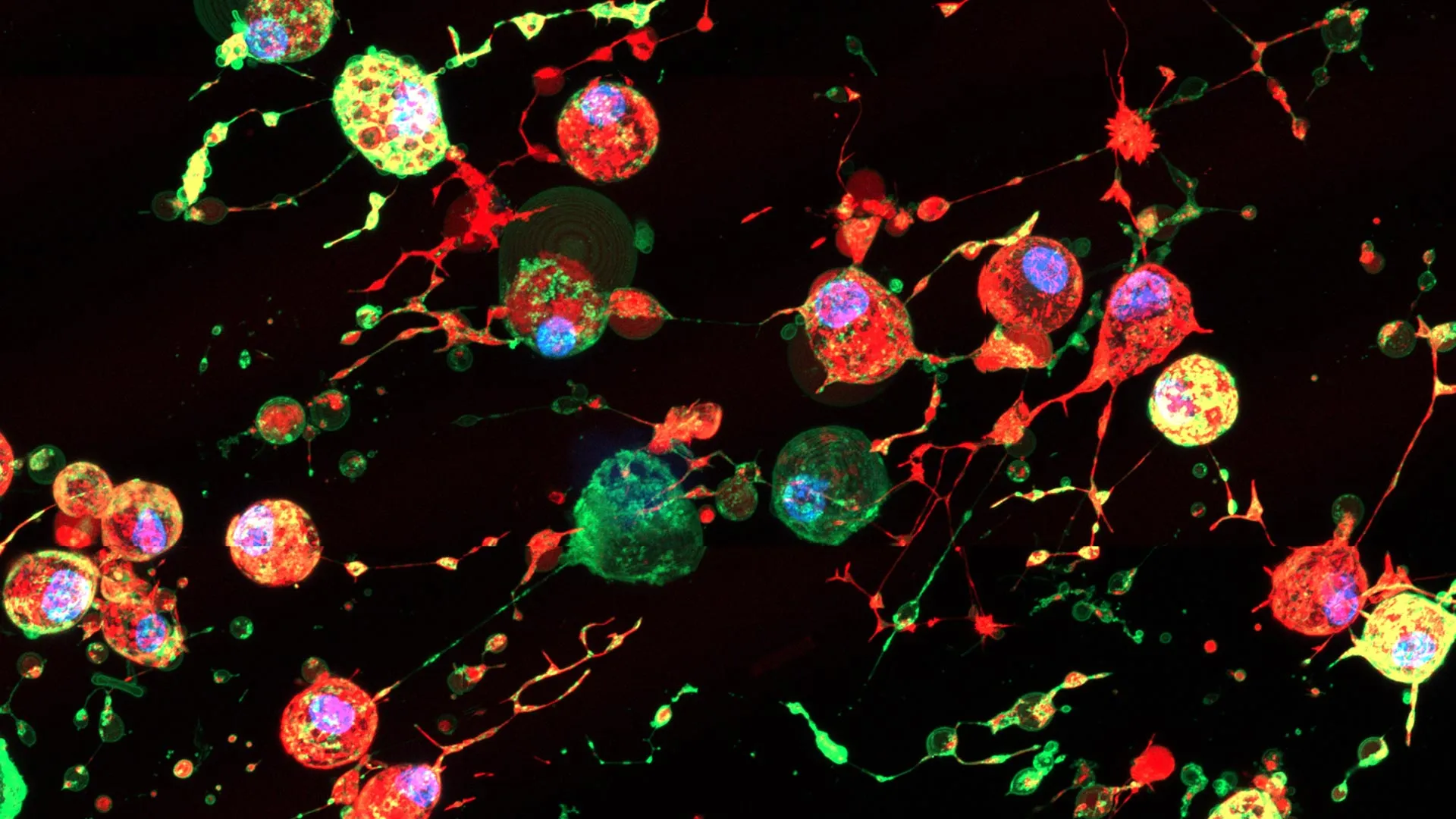
- Researchers used live imaging in zebrafish and mouse embryos to track how cells recognize and respond to apoptosis through structural changes guided by E-cadherin.
- Cell clearance mechanisms previously thought to rely solely on immune cells are now shown to involve structural epithelial cells using adhesion proteins for engulfment.
Why it matters: This redefines the role of a fundamental structural protein in developmental biology—E-cadherin’s involvement in corpse removal means epithelial tissues can autonomously manage cell death without waiting for immune cells, which may accelerate tissue remodeling and reduce inflammation risks during embryogenesis.
Ask SkimNews