Florida strips climate change from science textbooks — SkimNews
Get the Energy newsletter
Daily energy & climate — solar, EVs, oil, the policy fights and tech bets shaping the transition. Free.
- Florida Department of Education asked McGraw Hill, Cengage, and Savvas in summer 2024 to soften or remove climate change content from science textbooks, per a WUSF and Hechinger Report investigation of state public-records correspondence.
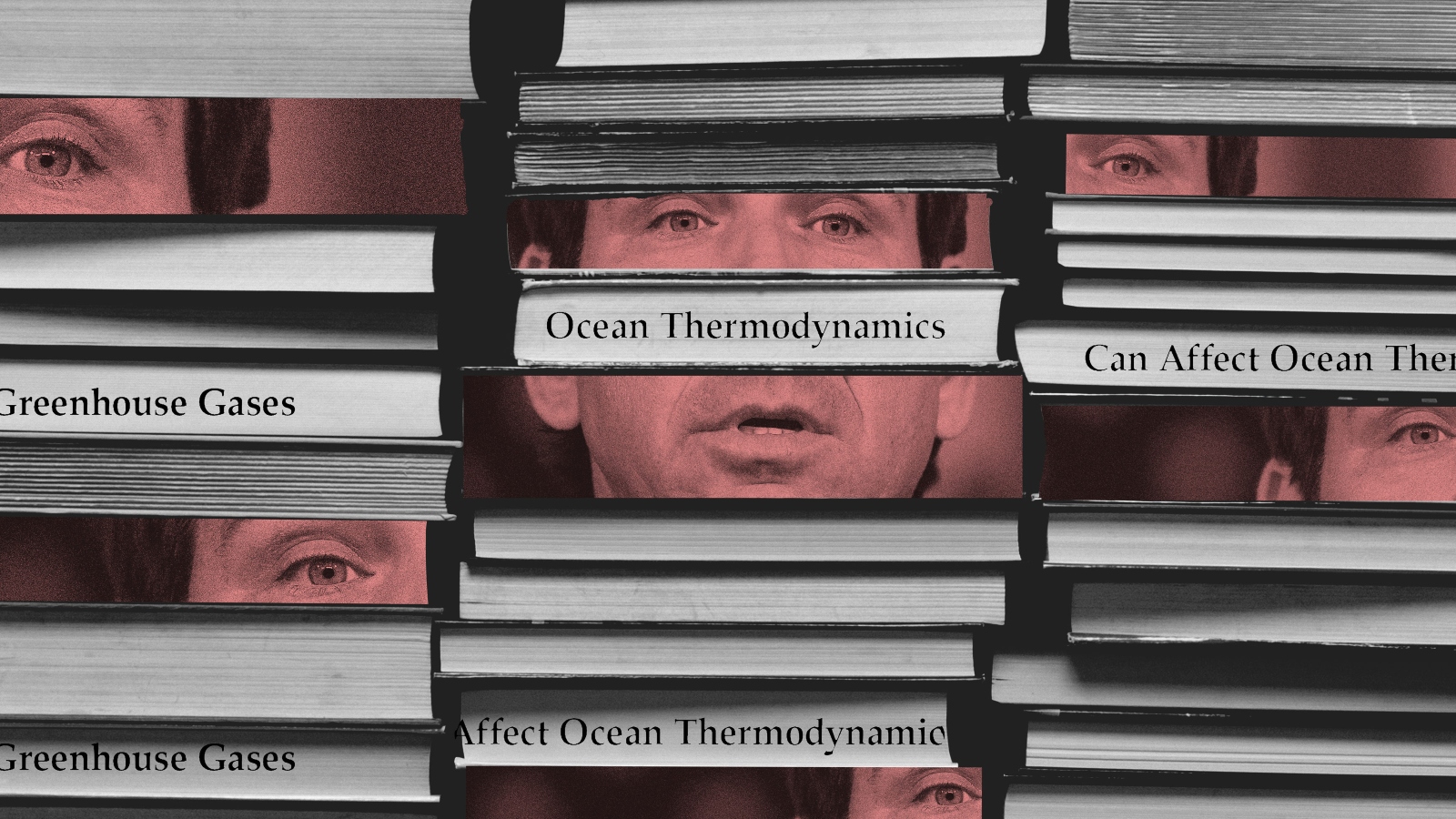
- McGraw Hill's Marine Science text softened a World Health Organization statistic of 150,000 annual climate-related deaths into vague language about CO2, and replaced the phrase "climate change" with "changes in the environment."
- Cengage's environmental science textbook removed the word "polluting" before "coal burning power plants" and cut a reference to University of Washington students voting to pay higher fees for renewable electricity.
- FDOE asked biology textbook authors Ken Miller and Joe Levine to strike "caused by human activity" from climate claims and demanded peer-reviewed sources — but did not demand similar sourcing for chapters on DNA, RNA, or the digestive system.
- Environmental, earth, and marine science textbooks — those most likely to cover climate — were initially adopted in Florida at less than half the rate of other science subjects, with most only approved after publishers made the requested changes.
- Marine Science author Michael Huber said the publisher never told him about the Florida edits, calling them "unsettling" and saying they "degrade the book," and noted the WHO figure is now considered conservative.
- Governor Ron DeSantis officially removed references to climate change from state statutes in May 2024, and the state is now updating its science standards for the first time since 2008, with no confirmation that climate content will remain.
Why it matters: Florida's roughly 3 million public school students may end up studying from textbooks where the phrase "climate change" has been replaced and peer-reviewed climate statistics have been diluted into vague CO2 references. Publishers complied but say Florida-specific editions do not appear in other states, leaving Florida students with a substantively different science curriculum than peers elsewhere. Glenn Branch of the National Center for Science Education called the demands to weaken climate coverage "very unusual."
Ask SkimNews