Ukraine Urges Trump to Help Return 20,000 Abducted Children — SkimNews

Get the Geopolitics newsletter
Daily geopolitics — wars, elections, sanctions, the diplomatic moves that move markets. Free.
- Maksym Maksymov, head of Bring Kids Back UA, met with Republican and Democratic lawmakers in Washington this week to push for greater U.S. assistance in returning Ukrainian children abducted by Russia, declaring 'time is not on our side'
- Ukraine has identified at least 20,000 children in Russian custody and has painstakingly returned 2,200 since February 2022, a current pace of roughly 50 children per month through clandestine operations and government-to-government handovers
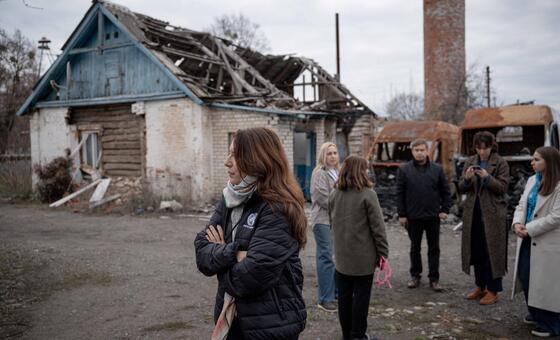
- Russia has shifted its strategy from physically dispersing abducted children across Russia to building a network of education and militarization facilities inside occupied territories, allowing authorities to 'reprogram on the spot' without moving kids at all
- An estimated 1.5-to-1.6 million children are living under Russian occupation, all vulnerable to indoctrination and militarization campaigns targeting an entire generation's identity
- Rep. Gregory Meeks' Ukraine Support Act, which includes a provision condemning Russia's kidnapping of children, reached a House floor vote after 18 months in limbo, but only 18 Republicans voted in favor — underscoring how divisive Ukraine support has become under Trump
- A poll of 1,000 Americans by conservative nonprofit Independent Women found 29.9% were unaware of Russia's child abduction campaign, but once informed, 60.7% agreed a tough Russia stance aligns with Trump's America First foreign policy
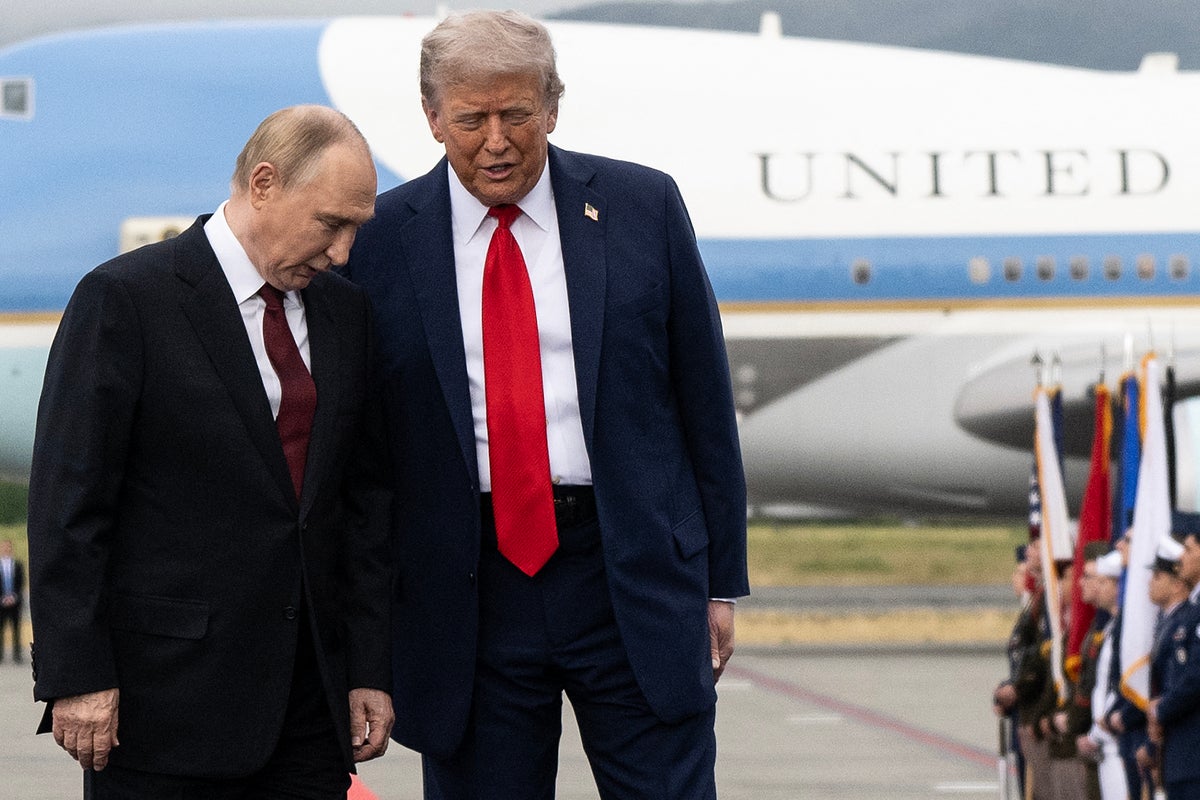
- The abduction campaign is the subject of an international war crime indictment against Russian President Vladimir Putin and one of his top deputies
Why it matters: At 50 children returned per month against 1.5 million at risk, the current recovery pace cannot keep up with Russia's in-place indoctrination machinery — and the gap between strong bipartisan congressional support and Trump's resistance to advancing Ukraine legislation means the crisis is intensifying precisely when U.S. leverage could matter most.
Ask SkimNews