Wang Yi Courts SE Asia as US Influence Falters — SkimNews
SkimNews Take
Regional instability and a perceived vacuum of U.S. leadership are creating an opening for China to solidify its economic and diplomatic ties, even as the EU simultaneously gains traction as an alternative partner.
Get the Geopolitics newsletter
Daily geopolitics — wars, elections, sanctions, the diplomatic moves that move markets. Free.
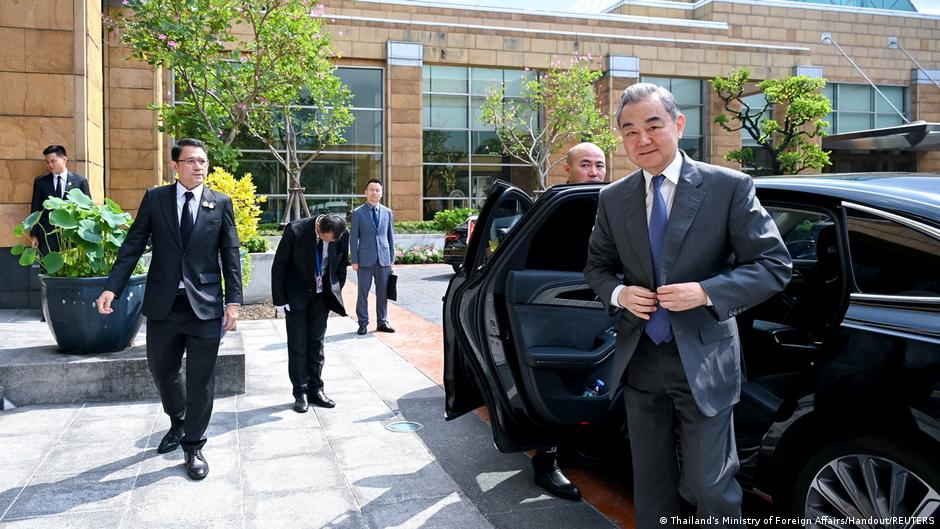
- Wang Yi completed a five-day tour of Cambodia, Thailand and Myanmar ending Sunday, presenting China as a steady partner amid energy-price shocks from the Iran war and uncertainty over US tariff policy.
- The ISEAS–Yusof Ishak Institute's annual State of Southeast Asia survey found a slim majority of respondents would now align with China over the US — a reversal from 2025, when 52% preferred Washington — and 55.6% expect relations with Beijing to improve over the next three years.
- On April 22, Wang and Chinese Defense Minister Dong Jun joined their Cambodian counterparts for the inaugural "China-Cambodia 2+2 strategic dialogue," a format that institutionalizes political and security alignment beyond trade ties.
- Wang pressed Cambodia and Thailand to crack down on transnational scam compounds, with Bangkok agreeing to deepen cooperation on cybercrime — a sensitive issue given Chinese nationals caught up in trafficking networks.
- The Thai-Cambodian border conflict remained unresolved: the October Kuala Lumpur ceasefire, witnessed by President Trump, collapsed, as did a second truce after December fighting; Thailand's new PM Anutin Charnvirakul has vowed a lasting solution.
- In Myanmar, Wang met junta leader Min Aung Hlaing following disputed elections, reaffirming support for sovereignty and pushing progress on the China-Myanmar Economic Corridor.
Why it matters: For Southeast Asian governments hedging between superpowers, the ISEAS flip from a 52% US preference last year to a slim China majority is a measurable signal that Washington's tariff confrontations are eroding its regional standing. Beijing's offer of a 2+2 security framework with Cambodia and peacemaker positioning in the Thai-Cambodian conflict gives it new institutional footholds at exactly the moment US leverage is weakening.
Ask SkimNews